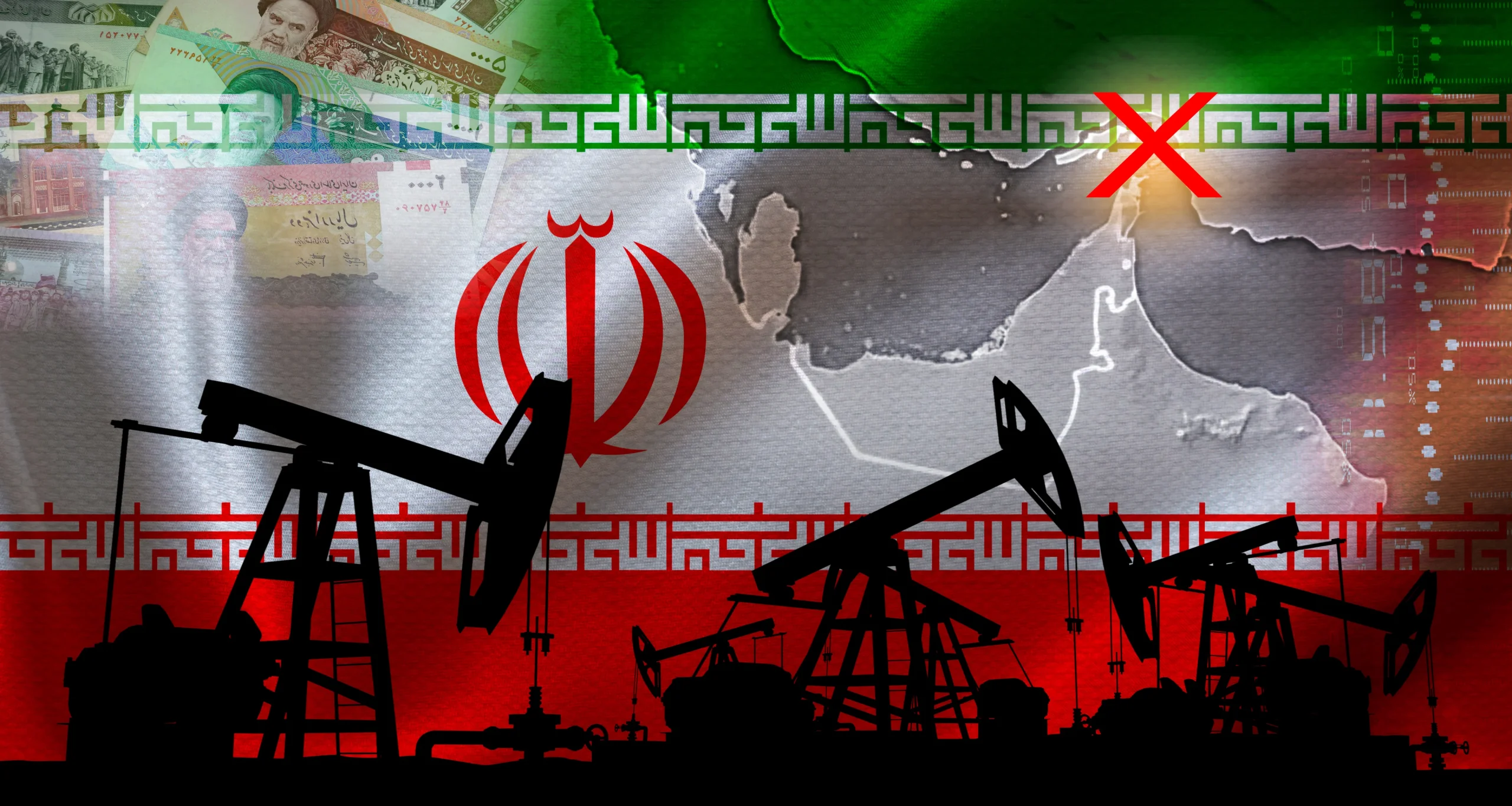
Global Markets Under Pressure as US–Iran War Drags On
The ongoing conflict between the United States, Israel, and Iran is beginning to create serious economic consequences around the world. From collapsing Asian currencies to the shutdown of a low-cost American airline, the prolonged war is testing the resilience of global financial markets and increasing pressure on governments, businesses, and consumers.
Below are some of the major stress points emerging across the global economy.
Asia Faces Heavy Currency Pressure
Asian currencies have recorded some of the steepest declines in the foreign exchange market since the conflict escalated earlier this year. Asia remains particularly vulnerable because nearly 80% of oil transported through the Strait of Hormuz is destined for the region.
Indonesia’s rupiah dropped to a record low on Tuesday, while currencies in India and the Philippines also weakened to historic lows. Central banks across Asia have already spent weeks intervening in currency markets, either directly or through state-owned banks, as policymakers search for additional ways to stabilize their currencies.
South Korea, Thailand, and Malaysia are also experiencing increased currency pressure.
According to Barclays strategist Mitul Kotecha, central banks are unlikely to aggressively deplete their reserves, meaning authorities may introduce more creative measures to defend their currencies.
Japan’s Yen Remains Under Pressure
Japan is also suffering from the economic fallout of the Middle East conflict. The Japanese yen was already weakened by the country’s ultra-low interest rates and concerns surrounding Prime Minister Sanae Takaichi’s debt-driven economic policies.
The country imports approximately 95% of its oil from the Middle East, making the yen especially sensitive to rising energy prices. Japanese authorities have already intervened in markets as the currency approached the key 160 yen per dollar level.
Macquarie strategist Thierry Wizman noted that rising oil prices naturally attract speculative attacks against the yen because Japan’s economy is highly exposed to expensive energy imports.
Analysts believe that currency intervention alone will not be enough to reverse the yen’s decline unless the war eases and interest rates begin to rise.
Rising Risk of a Global Food Shock
Global food prices had only recently started stabilizing after the inflation shock caused by Russia’s invasion of Ukraine in 2022. However, the Middle East conflict now threatens to trigger another wave of food inflation.
Higher energy prices and tighter fertilizer supplies are increasing pressure on agricultural markets. At the same time, the possible return of the El Nino weather phenomenon could further disrupt global food production.
The Baltic shipping index has climbed to its highest level since 2023, signaling growing transportation costs worldwide.
Emerging economies are expected to suffer the most because food makes up a larger percentage of household spending and inflation calculations in those countries.
HSBC economist James Pomeroy warned that elevated food prices are especially dangerous for economies heavily dependent on imported food supplies.
Consumers Feel the Pain at the Fuel Pump
One of the fastest ways consumers experience economic stress is through rising fuel prices. In the United States, gasoline prices have surged from around $3 per gallon to more than $4.50, according to AAA data.
Financial markets are closely monitoring fuel prices because a further rise toward $5 per gallon could increase domestic political pressure on President Donald Trump ahead of the upcoming midterm elections.
Zurich Insurance Group strategist Guy Miller said that continued increases in gasoline prices could create social unrest and potentially force policy adjustments regarding the conflict with Iran.
The energy shock is also expected to increase the cost of everyday consumer goods made from oil and natural gas, including household and personal care products.
Meanwhile, investors are watching inflation expectations closely, as rising prices could push central banks to maintain higher interest rates for longer.
The European Central Bank’s Consumer Expectations Survey recently showed one-year inflation expectations jumping sharply from 2.5% to 4.0%.
Airline Industry Faces Major Turbulence
The global airline sector is experiencing its biggest challenge since the COVID-19 crisis in 2020.
Jet fuel prices have risen nearly 84% since the start of the conflict, raising fears of fuel shortages if tensions continue.
Earlier this month, ultra-low-cost carrier Spirit Airlines officially ceased operations, blaming surging fuel costs for its collapse.
Although some airlines believe supply risks are beginning to stabilize, airline stocks continue to underperform broader markets. European airline shares have fallen roughly 14% this year, even as the wider market remains positive.
Bond Markets Enter a Dangerous Zone
Global bond markets initially stabilized after early war-related volatility forced traders to adjust expectations for future interest rates. However, analysts warn that new cracks are beginning to appear.
In the United Kingdom, political uncertainty is adding further pressure to the government bond market.
Meanwhile, the U.S. Treasury market remains under close watch. Ten-year Treasury yields are currently hovering around 4.40%, roughly 40 basis points higher than pre-war levels.
Higher Treasury yields also create problems for emerging economies that rely on U.S. bond markets as a benchmark for borrowing costs.
According to Zurich’s Guy Miller, financial markets could face significant disruption if 10-year Treasury yields move above the 4.5% threshold, which has historically created pressure on both equity and credit markets.