Asian Currencies Rise as Middle East Tensions Ease
Most Asian currencies moved slightly higher on Wednesday as easing geopolitical tensions in the Middle East improved investor sentiment across financial markets.
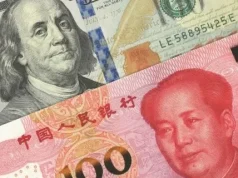
The U.S. dollar weakened against major global currencies, with the U.S. Dollar Index falling 0.2%. U.S. Dollar Index Futures also traded 0.2% lower during Asian trading hours.
The improving risk appetite came after renewed optimism surrounding a possible diplomatic agreement between the United States and Iran.
Trump Pauses Hormuz Shipping Operation
U.S. President Donald Trump announced on Tuesday that Washington would temporarily pause operations aimed at restoring commercial shipping through the Strait of Hormuz.
Trump also said there had been “great progress” toward reaching a final agreement with Tehran.
In a social media statement, Trump explained that although the blockade would remain active, “Project Freedom” — the initiative focused on protecting maritime traffic through the Strait of Hormuz — would be paused temporarily while negotiations continue.
The comments helped stabilize markets after earlier tensions in the week triggered volatility following Iran’s military response to the operation.
Falling Oil Prices Support Asian FX Markets
The easing geopolitical tensions also pressured oil prices lower, with crude extending losses during Asian trading after previously surging to multi-year highs earlier in the week.
Lower oil prices helped ease inflation concerns for many oil-importing Asian economies, providing support for regional currencies.
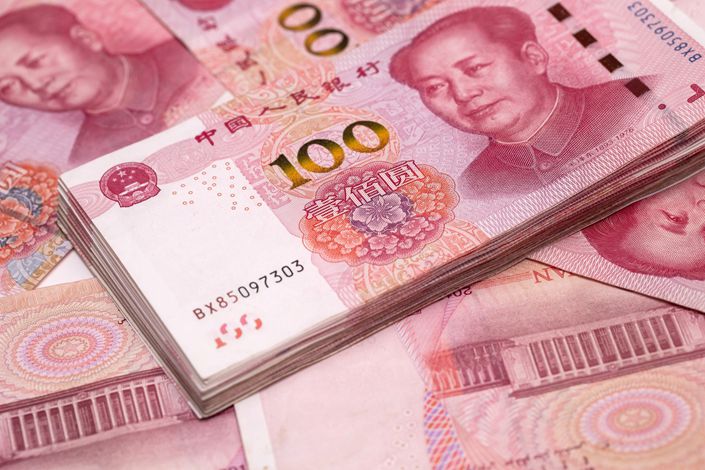
China’s onshore yuan pair, USD/CNY, declined 0.2%, while Japan’s USD/JPY pair traded largely unchanged.
The Indian rupee strengthened modestly, with USD/INR falling 0.2%, while Singapore’s USD/SGD pair slipped 0.1%.
South Korean Won Outperforms After Inflation Data
The South Korean won was the strongest-performing currency in the region, with the USD/KRW pair dropping 1.2%.
Fresh economic data released on Wednesday showed that South Korea’s consumer prices increased 2.6% year-over-year in April, accelerating from 2.2% in March and marking the fastest inflation pace since mid-2024.
The rise was driven partly by higher fuel prices and stronger service-sector inflation.
The stronger-than-expected inflation reading increased expectations that the Bank of Korea could maintain a tighter monetary policy stance going forward.
China and Australia Show Economic Strength
Elsewhere in Asia, China’s services sector continued to show resilience.
The private-sector China RatingDog Services PMI rose to 52.6 in April, beating analyst expectations and signaling faster expansion in business activity supported by stable domestic demand.
Meanwhile, the Australian dollar strengthened further, with the AUD/USD pair climbing 0.7%.
The gains extended after the Reserve Bank of Australia raised interest rates a day earlier and maintained a relatively hawkish policy outlook.