Dollar Weakens Against Yen After Japan Intervention
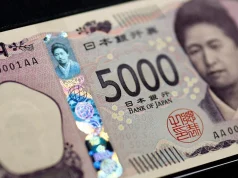
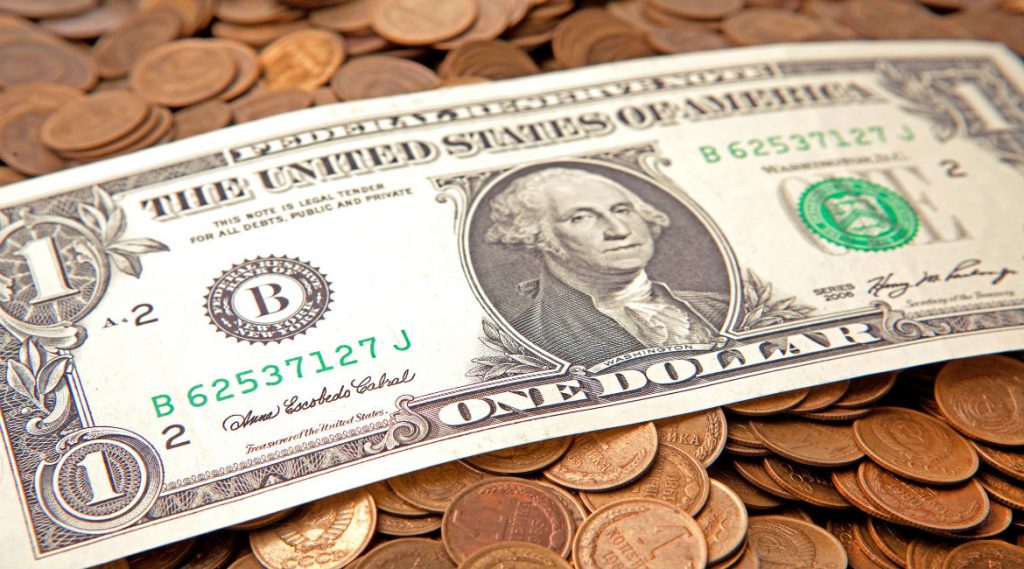
The U.S. dollar continued to decline against the Japanese yen on Friday, marking a second consecutive day of losses after reports that Japan intervened in currency markets to support its struggling currency.
Officials Warn Over Speculative Pressure
Market sentiment remained cautious after Japan’s top currency official, Atsushi Mimura, highlighted the presence of speculative positions in the market. His comments underscored concerns among policymakers about rapid and volatile movements in the yen.
Dollar Swings After Sharp Drop
The dollar briefly fell from around 157.1 to 155.49 against the yen before recovering part of its losses, last trading near 156.62.
According to sources cited by Reuters, Japanese authorities stepped in on Thursday to buy yen after the currency weakened to 160.7 per dollar—its lowest level since July 2024.
Effectiveness of Intervention in Question
Analysts have raised doubts about the long-term impact of such interventions. Experts note that without broader policy changes—such as interest rate hikes or coordinated global action—the effects of currency intervention tend to fade over time.
Japan May Have Spent $35 Billion
Data from the Bank of Japan suggests that authorities may have spent as much as 5.48 trillion yen (approximately $35 billion) during the latest intervention. This is slightly below the $36.8 billion deployed in July 2024.
Interest Rate Gap Pressures Yen
The yen has been under persistent pressure due to the widening interest rate gap between the U.S. and Japan. Higher oil prices linked to the Iran war February 2026 have further supported the dollar, adding to the yen’s weakness.
The dollar is now on track for its largest weekly decline against the yen since early February, down around 1.7%.
Central Banks Signal Possible Rate Moves
Global central banks remain a key driver of currency markets. The European Central Bank and Bank of England held interest rates steady this week, in line with expectations, following similar pauses by the Federal Reserve and the Bank of Japan.
However, both the ECB and BOJ indicated that rate hikes could begin as early as June to address inflation driven by rising energy costs.
Other Currencies Show Strength
The euro strengthened 0.32% to $1.177, heading for a second straight weekly gain. The British pound rose 0.25% to $1.1364, extending its rally to a fifth consecutive week.
Meanwhile, the dollar weakened against the Swiss franc, falling 0.27% to 0.779 and heading for another weekly loss.
Outlook: Limited Upside for Yen
Despite intervention efforts, analysts suggest that sustained yen strength may be limited. Expectations of tighter U.S. monetary policy and reduced likelihood of Federal Reserve rate cuts continue to support the dollar, offsetting gains in the Japanese currency.