Japanese Yen Stabilizes After Intervention-Driven Surge
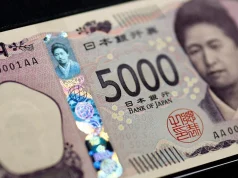
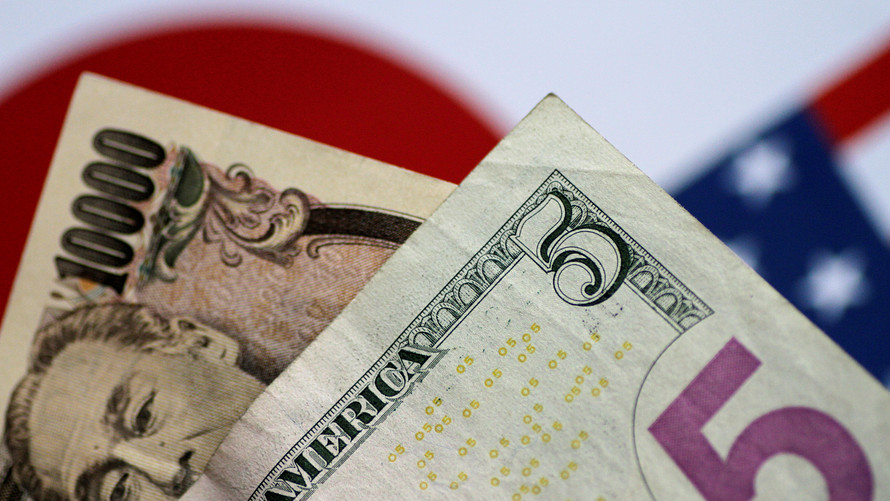
The Japanese yen traded largely flat on Friday after a sharp rally in the previous session, which was widely attributed to government intervention by Tokyo. Meanwhile, the U.S. dollar continued to weaken, extending losses seen throughout April.
According to market analysts, the yen had surged after USD/JPY climbed above the key 160 level earlier in the week—its highest point since mid-2024—prompting suspected intervention.
Intervention Impact Fades as Markets Reassess
By mid-session, the USD/JPY pair edged slightly higher to 156.42, reversing part of the previous day’s decline of more than 2%.
Market estimates suggest that Japan may have spent around $34.5 billion in its first currency intervention since July 2024 to support the yen.
However, analysts caution that a single intervention may not be enough to create a lasting impact. Without additional rounds of action, the USD/JPY pair could gradually move back toward the 160 level.
Inflation Data Adds Pressure on Yen
The yen faced renewed weakness following softer-than-expected Tokyo inflation data for April. The consumer price index reading suggested that government subsidies on essentials like food and utilities are helping to contain price pressures.
This data is often seen as an early indicator of nationwide inflation trends, raising concerns about the strength of Japan’s economic recovery.
Bank of Japan Maintains Hawkish Tone
Despite the weaker inflation data, the Bank of Japan maintained a relatively hawkish stance. Policymakers recently raised inflation forecasts and signaled the possibility of further interest rate hikes in the coming months.
Dollar Weakens After April Losses
The U.S. dollar remained under pressure, with the dollar index extending declines after losing nearly 2% in April. The pullback has been partly driven by shifting safe-haven demand and ongoing geopolitical uncertainty.
Geopolitical Tensions Influence Currency Markets
Currency markets remain sensitive to developments in the Middle East, particularly the ongoing tensions between the United States and Iran. The situation around the Strait of Hormuz continues to impact global trade flows and investor sentiment.
Reports indicate that Donald Trump is considering further military actions, while diplomatic efforts have made little progress, suggesting a prolonged conflict.
Central Banks Keep Markets on Edge
Recent signals from global central banks have added to market volatility. The Federal Reserve has seen growing resistance among policymakers to rate cuts, especially amid inflation risks linked to geopolitical tensions.
At the same time, the European Central Bank and the Bank of England kept interest rates unchanged, although discussions around potential hikes continue.
The euro remained largely stable against the dollar, while the British pound posted modest gains.