ECB Keeps Interest Rates Unchanged Amid Rising Risks
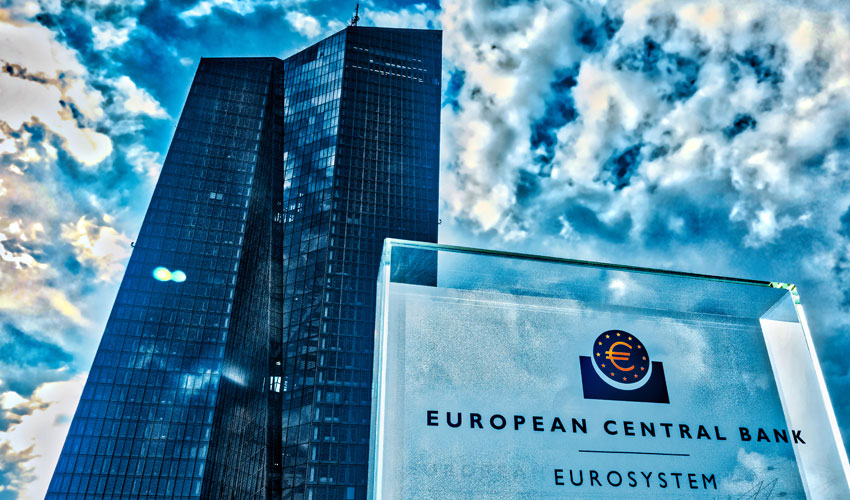
The European Central Bank left its key interest rates unchanged on Thursday, maintaining the deposit rate at 2%, in line with market expectations. Policymakers noted that recent economic data remains broadly consistent with their previous inflation outlook.
Energy Shock Fuels Inflation Concerns
However, the ECB warned that risks are increasing due to the ongoing Middle East conflict, which has triggered a sharp rise in oil and gas prices. This energy shock is pushing inflation higher while also weighing on overall economic sentiment across the eurozone.
Lagarde Warns of Persistent Inflation Pressure
ECB President Christine Lagarde emphasized that elevated energy costs are likely to keep inflation above the central bank’s 2% target in the near term.
She also highlighted that the geopolitical tensions are negatively impacting economic activity, adding that weaker global sentiment could further dampen demand.
“The war in the Middle East remains a downside risk to the euro area economy… prolonged disruptions in energy supply could push prices higher for longer, eroding incomes and reducing spending and investment,” Lagarde said.
No Pre-Commitment on Future Rate Path
The ECB reiterated that future monetary policy decisions will remain data-dependent, focusing on inflation trends and associated risks. The Governing Council stressed that it is not committing to a specific rate path, but will adjust borrowing costs as needed to bring inflation sustainably back to its 2% target.
Stagflation Risks Emerging in Eurozone
According to analysts at ING, the ECB’s decision reflects a cautious approach amid growing stagflationary pressures—a combination of rising inflation and slowing economic growth.
Eurozone Inflation Accelerates in April
Recent data showed that inflation across the euro area is picking up. According to Eurostat, consumer prices rose 3.0% year-on-year in April, up from 2.6% in March, in line with expectations.
The increase was largely driven by higher energy costs, which have remained elevated since the escalation of the Iran conflict earlier this year.
Economic Growth Falls Short of Expectations
Meanwhile, economic growth remains weak. Preliminary data showed that eurozone GDP expanded by just 0.1% quarter-on-quarter in the first quarter, missing forecasts of 0.2% and signaling slowing momentum in the region’s economy.