U.S. Dollar Weakens as Yen Gains on Intervention Reports
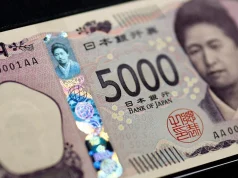
The United States dollar moved lower on Thursday, particularly against the Japanese yen, as investors reacted to reports that Japan may have intervened in currency markets for the first time since July 2024 to support its currency.
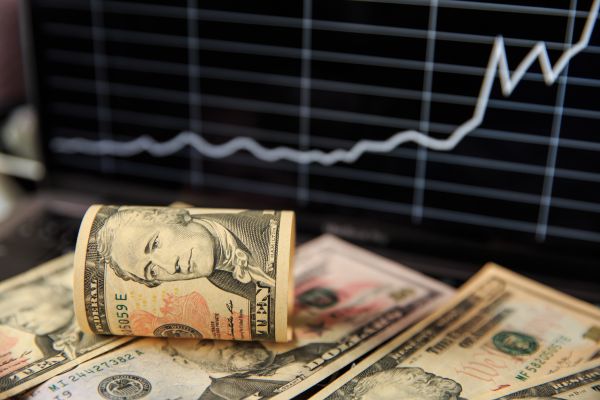
By 09:40 ET (13:40 GMT), the U.S. Dollar Index (DXY) slipped 0.5% to 98.50, while the yen strengthened to around 156.71 per dollar.
Japan and BOJ Reportedly Step Into FX Markets
According to Nikkei, the Japanese government and the Bank of Japan conducted a currency intervention on April 30, buying yen and selling dollars to stabilize the exchange rate.
Earlier in the day, Finance Minister Satsuki Katayama hinted that the timing for “decisive” action was approaching, reinforcing expectations of official market intervention.
Yen Hits Highest Level Since July 2024
Following these developments, the yen climbed to its strongest level since July 2024. The currency had been under pressure for months, particularly since the escalation of geopolitical tensions tied to the Iran conflict earlier this year.
Japanese authorities have previously indicated they could intervene around the 160 level, a key psychological threshold for the currency.
Analysts See Temporary Yen Strength
Analysts at Bank of America noted that any yen strength driven by intervention could be short-lived, suggesting markets may view such moves as opportunities to re-enter yen-selling positions.
Oil Prices Volatile Amid Geopolitical Tensions
In commodity markets, Brent crude oil initially surged to a four-year high before reversing and turning negative later in the session.
The earlier spike was driven by reports that the U.S. is considering military options to break the ongoing deadlock with Iran, adding to geopolitical uncertainty.
Dollar Supported by Safe-Haven Demand
Despite the pullback against the yen, the dollar continues to benefit from its safe-haven status, supported by the perception that the U.S. economy is more resilient to rising oil prices compared to Japan and the Eurozone, given its role as a major energy exporter.