PCE Inflation Climbs to Highest Level in Years
U.S. inflation, measured by the Personal Consumption Expenditures (PCE) index, has surged to its highest level in several years. According to data released by the Bureau of Economic Analysis, the PCE price index increased by 3.5% year-over-year in March and 0.7% month-over-month, matching market expectations.
This metric, closely monitored by the Federal Reserve, now stands at its highest point since August 2023. Rising geopolitical tensions, particularly involving the United States and Iran, continue to put upward pressure on prices, largely through energy markets.
Core Inflation Remains Elevated Amid Energy Pressures
Core PCE, which excludes food and energy prices, also showed persistent strength. It rose 3.2% annually and 0.3% on a monthly basis, aligning with forecasts. This marks its highest reading since late 2023, reinforcing concerns that inflation remains sticky despite previous policy tightening.
The ongoing conflict has driven oil prices higher, with Brent crude surpassing $120 per barrel. These elevated energy costs are feeding into broader inflation, complicating the outlook for monetary policy.
Bitcoin Falls as Market Reacts to Inflation Data
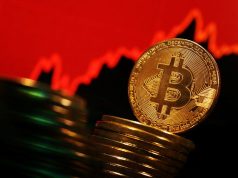
Bitcoin declined following the inflation release, reflecting investor concerns over prolonged tight monetary conditions. The leading cryptocurrency dropped to around $76,000 before stabilizing slightly near $76,400, according to TradingView data.
Market sentiment remains cautious, as traders anticipate that persistent inflation could delay or even eliminate the possibility of interest rate cuts this year. Rising oil prices and geopolitical risks are further weighing on risk assets, including cryptocurrencies.
Rate Cut Expectations Shift as Market Turns Cautious
Following the latest Federal Open Market Committee (FOMC) meeting and inflation data, traders are increasingly betting against rate cuts in 2026. Data from Polymarket shows that the probability of zero rate cuts this year has climbed to 58%, up sharply from just 39% days earlier.
This shift reflects growing expectations that the Fed may maintain current rates or even consider further tightening if inflation continues to rise. Historically, Bitcoin has benefited from looser monetary policy, meaning the current environment poses challenges for further upside.
Macroeconomic Uncertainty Continues to Pressure Crypto Markets
The broader market is also reacting to geopolitical developments, including tensions surrounding the Strait of Hormuz and rising energy prices. These factors, combined with the Fed’s cautious stance, are contributing to uncertainty across financial markets.
In addition, leadership dynamics at the Federal Reserve remain in focus. While Kevin Warsh is moving closer to a potential leadership role, Jerome Powell has indicated he will remain on the board for now, limiting the likelihood of immediate policy shifts.
Overall, the combination of elevated inflation, geopolitical risks, and uncertain monetary policy continues to create headwinds for Bitcoin and the broader cryptocurrency market.