Bitcoin Slides as U.S.–Iran Tensions Escalate
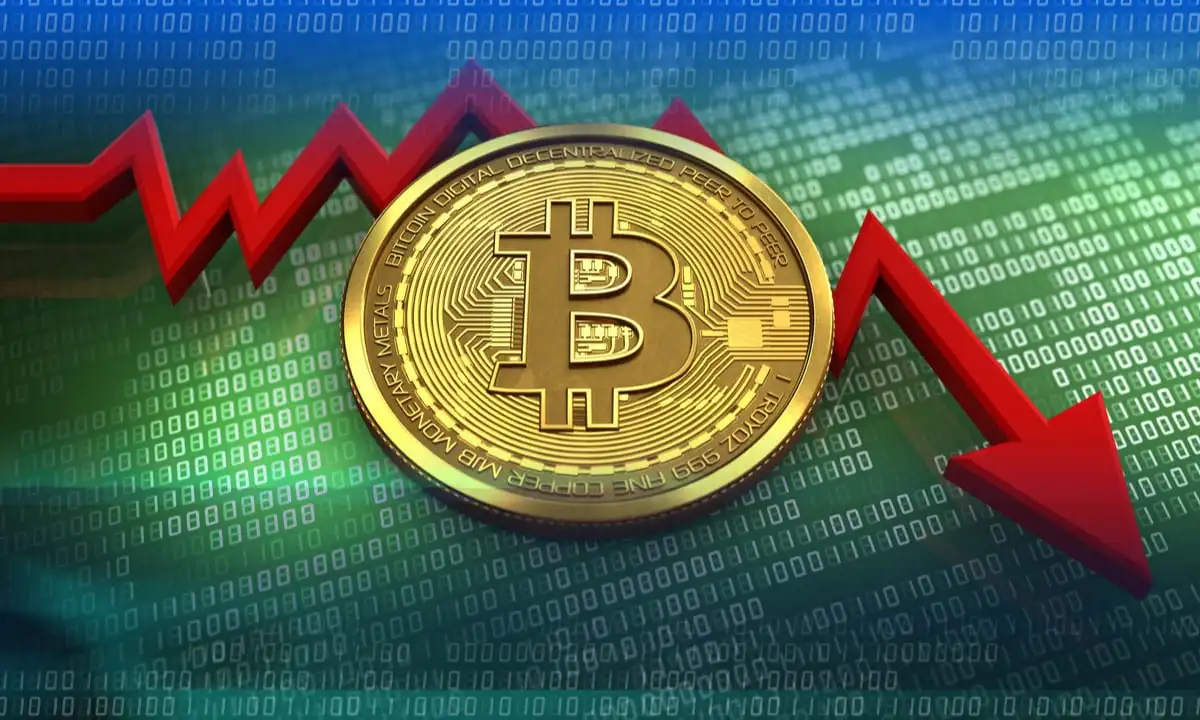
Bitcoin has fallen below the key $76,000 level following renewed geopolitical tensions, after U.S. President Donald Trump rejected Iran’s latest proposal regarding the Strait of Hormuz.
The cryptocurrency is currently trading near $75,700, down from intraday highs above $77,000, as uncertainty in global markets increases.
Trump Rejects Iran’s Proposal, Maintains Blockade
According to reports, Iran proposed reopening the Strait of Hormuz in exchange for delaying nuclear negotiations. However, President Trump declined the offer, stating that the U.S. will continue its blockade until a comprehensive agreement addressing Iran’s nuclear program is reached.
He emphasized that maintaining pressure through the blockade is more effective at this stage than immediate military escalation.
In a strong message posted publicly, Trump warned Iran to act decisively, signaling a tougher stance as negotiations remain stalled.
Market Reaction: Bitcoin and Crypto Under Pressure
The breakdown in negotiations has triggered volatility across financial markets, with Bitcoin reacting negatively to rising geopolitical risks.
Key drivers behind the decline include:
- Increased uncertainty around global trade routes and energy supply
- Rising oil prices due to tensions in the Gulf region
- Risk-off sentiment among investors shifting away from volatile assets
The broader crypto market has also shown weakness as traders await further developments.
Military Action Still a Possibility
Reports indicate that the United States Central Command (CENTCOM) has prepared contingency plans for a targeted strike on Iran if diplomatic efforts fail.
These potential operations could focus on key infrastructure, aiming to force Iran back to negotiations. However, for now, the U.S. administration appears focused on maintaining economic and strategic pressure rather than immediate military action.
At the same time, officials are reportedly exploring ways to manage the global impact of a prolonged blockade, suggesting the situation could persist for an extended period.
Oil Prices Rise, Adding Pressure on Crypto Markets
As tensions rise, oil prices have surged, adding another layer of pressure on Bitcoin and risk assets. Historically, spikes in energy prices during geopolitical crises tend to push investors toward safer assets, reducing demand for cryptocurrencies.
This combination of geopolitical uncertainty and macroeconomic pressure continues to weigh on Bitcoin’s short-term outlook.