Forex Markets Steady as US-Iran Talks Take Center Stage
Most major currencies remained relatively stable on Tuesday, as investors closely monitored developments surrounding potential U.S.-Iran negotiations that could reopen key Gulf shipping routes. At the same time, a persistent inflation reading supported gains in the New Zealand dollar.
With a ceasefire set to expire later this week, uncertainty continues to surround the outcome of the Iran peace talks. Tehran has yet to clarify its next diplomatic steps following a recent escalation in tensions.
Market Sentiment Hinges on Diplomatic Progress
Despite the uncertainty, markets are showing cautious optimism. President Donald Trump indicated that negotiations are progressing “relatively quickly” and suggested that any new agreement could offer improved terms compared to past deals.
Currency markets reflected this cautious stance. The euro traded at $1.1781, while the British pound stood at $1.3525, both slipping around 0.1% on the day. Meanwhile, the Australian dollar, often seen as a risk-sensitive currency, declined 0.1% to $0.7171.
The U.S. dollar index, which tracks the greenback against a basket of major currencies including the euro and yen, held steady at 98.15 after a slight drop in the previous session.
Analysts note that markets are currently in a holding pattern. According to currency strategists, the direction of global markets in the coming days will largely depend on how negotiations between the U.S. and Iran unfold.
Oil Prices React to Supply Expectations
Oil markets also reflected shifting expectations. Brent crude prices eased toward $95 per barrel, as traders anticipated that successful talks could lead to increased oil flows through the Strait of Hormuz.
Central Banks and Interest Rate Outlook in Focus
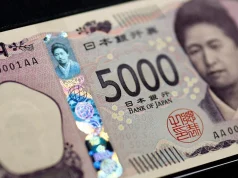
Beyond geopolitics, investors are also closely watching central bank decisions. The Japanese yen remained stable at 158.89 per dollar, hovering near the key 160 level that could trigger potential intervention by authorities.
Reports suggest that the Bank of Japan may delay any interest rate hikes at its upcoming meeting, citing ongoing uncertainty linked to Middle East tensions and their impact on economic conditions.
New Zealand Dollar Gains on Sticky Inflation
The New Zealand dollar emerged as one of the strongest performers, rising 0.4% to $0.5914. The move followed data showing annual inflation held steady at 3.1% in the first quarter, remaining above the central bank’s target range.
This persistent inflation has increased expectations that further interest rate hikes could be implemented later this year, supporting the currency.
Key US Data and Federal Reserve Developments
Market participants are also awaiting key U.S. economic data, particularly retail sales figures for March, which are expected to show a strong 1.4% increase.
In addition, attention is turning to a Senate confirmation hearing for Kevin Warsh, President Trump’s nominee to lead the Federal Reserve. Warsh is expected to emphasize the importance of maintaining the central bank’s independence in conducting monetary policy.