Gold Prices Fall as Inflation Fears and Strong Dollar Weigh
Gold prices moved lower on Monday, pressured by renewed inflation concerns and a stronger U.S. dollar. The decline followed a fresh surge in oil prices after the Strait of Hormuz was closed again, heightening geopolitical risks.
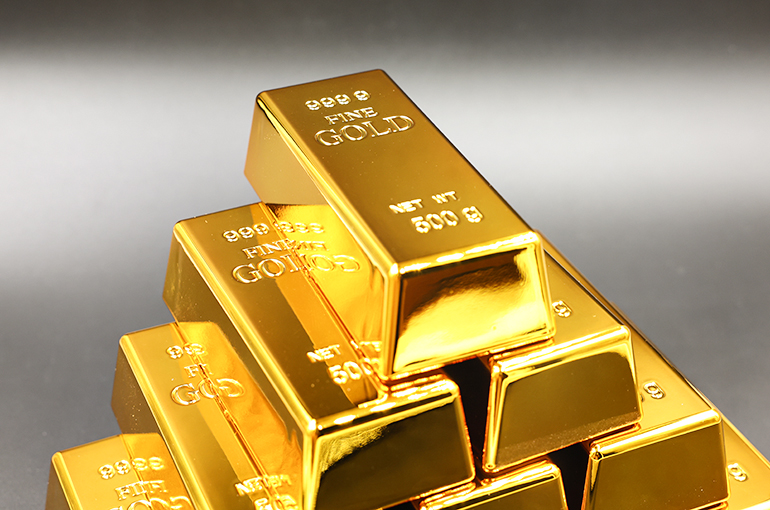
Spot gold slipped 0.5% to $4,807.60 per ounce by 09:06 ET (13:06 GMT), while gold futures dropped 1.1% to $4,826.71 per ounce.
Middle East Tensions Reverse Recent Gains
Gold had posted modest gains last week amid optimism surrounding a potential U.S.-Iran peace agreement. However, those expectations faded after Iran once again shut the Strait of Hormuz over the weekend.
Despite the recent pullback, gold continues to trade within a relatively tight range between $4,700 and $4,900 per ounce, as markets balance geopolitical developments with interest rate expectations.
Inflation and Interest Rates Take Center Stage
Analysts noted that gold’s limited reaction to escalating tensions highlights the dominant role of inflation expectations and U.S. monetary policy.
Rising oil prices—driven by the conflict—have intensified concerns about energy-led inflation. This has reinforced expectations that central banks may keep interest rates elevated, which tends to weigh on non-yielding assets like gold.
Stronger Dollar Adds Additional Pressure
The U.S. dollar index edged higher by 0.1%, adding further downside pressure on gold. A stronger dollar typically makes gold more expensive for international buyers, reducing demand.
Geopolitical Developments Keep Markets on Edge
Tensions escalated after the United States seized an Iranian vessel accused of breaching a naval blockade. Both Washington and Tehran have accused each other of violating a ceasefire agreement.
While U.S. President Donald Trump announced that envoys are heading to Pakistan for further negotiations, Iranian officials have reportedly not committed to participating in additional talks.
Oil Surge Fuels Market Uncertainty
Oil prices jumped as much as 7% on Monday, amplifying concerns over inflation and adding volatility across global markets. Since the conflict began in late February, energy-driven inflation fears have been a key factor weighing on gold prices.
Outlook: Volatility Likely to Persist
Analysts expect gold’s short-term direction to remain closely tied to broader risk sentiment and developments in ceasefire negotiations.
While a resolution in the Middle East remains possible, market participants anticipate a prolonged and uncertain path, with elevated geopolitical risks likely to keep volatility high.