U.S. Dollar Holds Near Multi-Week Lows Amid Iran Peace Hopes
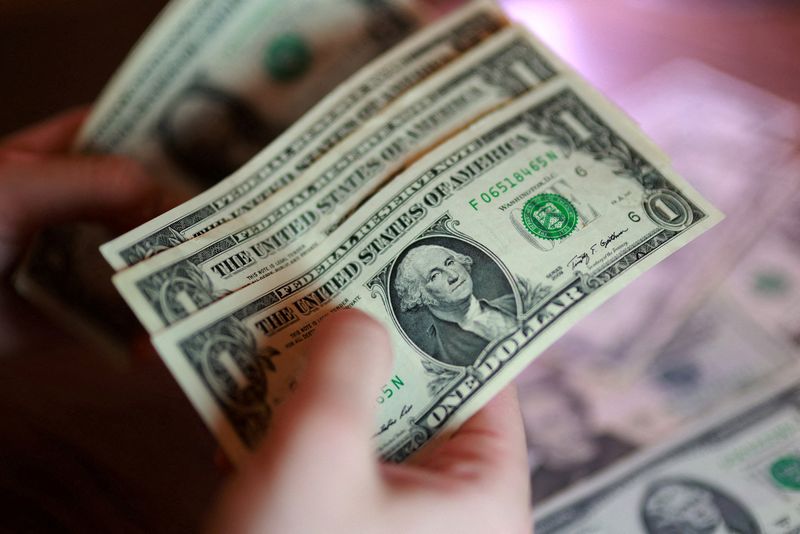
The U.S. dollar remained close to its lowest levels since early March on Thursday, as improving sentiment around a potential peace deal with Iran encouraged investors to move away from safe-haven assets.
Donald Trump stated that the U.S.-Israeli conflict involving Iran was “close to over,” while the White House signaled optimism over a potential agreement, noting that further in-person negotiations could soon take place in Pakistan.
Additional positive signals emerged after Trump indicated that direct talks between Israel and Lebanon were expected imminently, with resolving tensions in Lebanon previously being a major obstacle in broader peace discussions.
Euro and Sterling Strengthen as Dollar Weakens
The euro briefly climbed above $1.18, putting it on track for a nine-day winning streak. Meanwhile, the British pound rose to $1.3584, gaining around 0.2% on the day.
Both currencies hovered near their strongest levels since before the Iran conflict began in February, reflecting a broader shift away from the dollar.
Dollar Index Slides as Risk Appetite Returns
The dollar index, which tracks the U.S. currency against six major peers, remained steady at 97.969. However, it had already declined for eight consecutive sessions through Wednesday, reversing most of the gains triggered by geopolitical tensions.
As ceasefire expectations improved, investors increasingly turned to riskier currencies, reducing demand for the dollar.
According to Khoon Goh from ANZ, markets are now largely pricing in a potential resolution to the conflict, which could further pressure the dollar.
A break below the 98 level, considered a key support zone, may open the door for additional downside. The index is currently down 0.7% for the week, marking a potential second consecutive weekly decline.
Chinese Yuan Gains on Strong Economic Backdrop
The offshore Chinese yuan traded at 6.8152 per dollar, close to a three-year high, while the onshore yuan stood at 6.8174.
Recent data showed China’s economy expanded by 5% in the first quarter, exceeding expectations. Strong exports and policy support have helped sustain growth, although softer retail sales highlight ongoing challenges in domestic consumption.
The yuan has strengthened 2.5% against the dollar this year, supported by robust export activity and increased conversion of dollar holdings into local currency.
Christopher Wong from OCBC noted that the yuan is likely to remain stable and could continue its gradual appreciation, having outperformed most major currencies during the recent geopolitical tensions.
Risk-Sensitive Currencies and Yen Move Higher
The Australian dollar climbed to a four-year high of $0.7197, while the New Zealand dollar rose to $0.5916, nearing a one-month high.
Australia’s latest employment data met expectations, reinforcing market bets of around a 70% probability that the Reserve Bank of Australia will proceed with another rate hike in May.
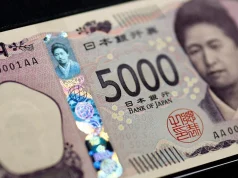
Meanwhile, the Japanese yen strengthened to 158.71 per dollar after Japan and the United States agreed to enhance communication on exchange rate policies. This followed discussions between Japan’s finance ministry and U.S. Treasury officials.