Oil Prices Plunge as Ceasefire Eases Supply Fears
Oil prices dropped sharply on Wednesday, falling nearly 15% after President Donald Trump agreed to a two-week ceasefire with Iran. The move eased fears of major supply disruptions and boosted expectations that global energy flows could normalize.
Brent crude, the global benchmark, declined 13.6% to $94.40 per barrel by 05:15 ET (09:15 GMT), while U.S. West Texas Intermediate (WTI) crude fell 15.8% to $95.20 per barrel.
Trump Announces Pause in Military Action
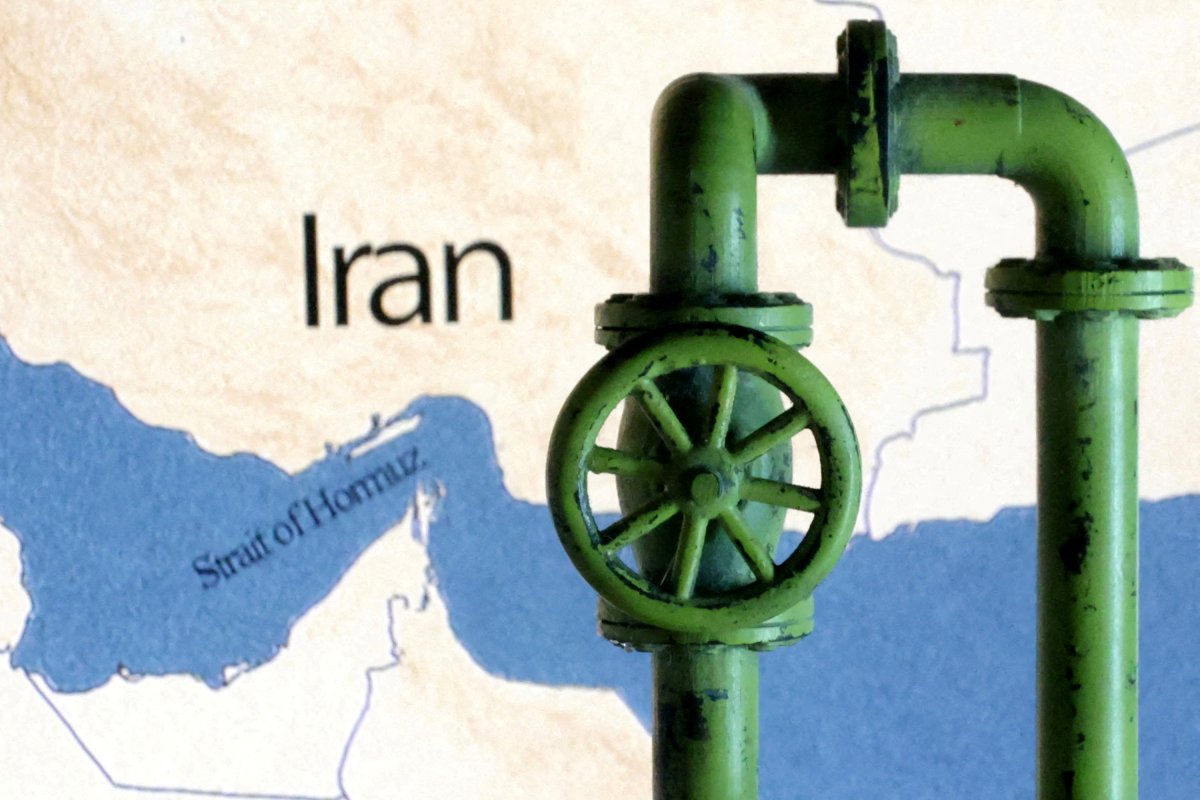
President Trump confirmed that the United States would suspend military operations against Iran for two weeks, just hours before a key deadline for Tehran to reopen the Strait of Hormuz.
Earlier, Trump had warned of severe consequences if Iran failed to comply, including threats targeting critical infrastructure. He later stated that U.S. military objectives had already been achieved and revealed that Iran had submitted a multi-point proposal that could form the basis for broader negotiations.
Iran Signals Conditional De-Escalation
Iran indicated it is willing to reduce tensions under certain conditions. Officials stated that safe passage through the Strait of Hormuz could resume during the ceasefire period, provided hostilities stop and shipping is coordinated with Iranian authorities.
Pakistan Plays Key Mediating Role
The breakthrough agreement followed last-minute diplomatic efforts, with Pakistan acting as a key mediator between Washington and Tehran. The ceasefire helped avert a potential escalation that markets had been closely monitoring.
Prior to the agreement, oil prices had surged to multi-month highs amid fears that U.S. strikes could disrupt Middle East supply routes.
Trump Pledges Support for Hormuz Shipping
In a social media post, Trump said the U.S. would assist in easing congestion in the Strait of Hormuz. He expressed confidence that the ceasefire would hold, describing the development as a positive step for global stability.
The strait, which handles around 20% of global oil shipments, had seen tanker traffic severely disrupted in recent weeks due to heightened security risks. Reports also suggested that Iran had been considering implementing fees for vessels transiting the route.
Uncertainty Remains Over Supply Flows
Despite the ceasefire, concerns persist about the reliability of shipping through the strait. Some vessels remain hesitant to resume transit, and the exact terms governing passage are still unclear.
Analysts emphasize that the status of the Strait of Hormuz remains the most critical factor for oil markets. While the ceasefire framework suggests that tanker traffic could fully resume, uncertainty around implementation continues to weigh on sentiment.