RBNZ Holds Interest Rates Steady Amid Rising Inflation Risks
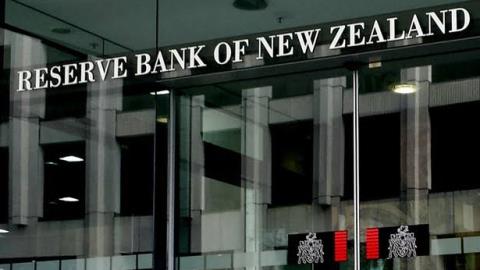
New Zealand’s central bank kept its official cash rate (OCR) unchanged at 2.25% on Wednesday for a second consecutive meeting. The decision allows policymakers more time to assess the economic impact of the ongoing Middle East conflict, while signaling readiness to act if inflation accelerates.
The Reserve Bank of New Zealand (RBNZ) warned that the war is likely to push inflation higher and slow economic growth, as global markets continue adjusting to an energy-driven shock.
Central Bank Balances Inflation Risks and Economic Recovery
In its policy statement, the RBNZ said the decision to hold rates reflects a balance between acting early against rising inflation and avoiding unnecessary pressure on the economic recovery.
The move was widely expected, with all economists surveyed anticipating the central bank would maintain its current policy stance.
Inflation Pressures Build as Global Conditions Shift
The rate pause follows an aggressive easing cycle, during which the RBNZ cut interest rates by 325 basis points since August 2024. While inflation had previously cooled, the outlook is now changing.
Current inflation stands at 3.1%, above the central bank’s target range of 1% to 3%, and is expected to rise further due to higher fuel and transport costs linked to geopolitical tensions.
Although a temporary ceasefire between the United States, Israel, and Iran helped push oil prices lower, uncertainty remains over whether stability can be sustained.
RBNZ Signals Readiness for Decisive Action
Policymakers discussed the possibility of a pre-emptive response to prevent inflation expectations from becoming unanchored and to limit secondary price pressures.
RBNZ Governor Anna Breman stated that a rate hike was not seriously considered at this meeting. However, the central bank acknowledged that earlier tightening could reduce the need for more aggressive action later if inflation intensifies.
Market reaction reflected a slightly more hawkish tone. Government bond yields pulled back, while the New Zealand dollar extended gains following the ceasefire announcement.
Markets Expect Potential Rate Hikes Ahead
Analysts noted that the central bank’s tone suggests increasing concern about inflation risks. Some forecasts indicate that rate hikes could begin as early as July, depending on how inflation trends evolve.
The RBNZ expects inflation to rise to 4.2% in the June quarter, with its previous projections indicating a gradual return to the 2% target midpoint by mid-2027.
The bank emphasized that the trajectory of inflation will largely depend on developments in the Middle East and the extent of disruptions to global supply chains and energy markets.
Global Uncertainty Complicates Policy Outlook
Despite emerging from recession, New Zealand’s economic recovery remains fragile. Growth is still weak and faces additional pressure from geopolitical uncertainty and tighter fiscal conditions.
This cautious approach reflects a broader global trend, with central banks increasingly prioritizing inflation control amid ongoing geopolitical risks. Markets have already scaled back expectations for rate cuts, and in some cases are beginning to price in further tightening.
The Reserve Bank of Australia has already raised rates twice this year, while the U.S. Federal Reserve continues to hold steady, citing concerns over persistent inflation driven by energy costs.
Outlook Remains Uncertain
Economists highlight that the path for interest rates remains highly uncertain. While the risk of earlier policy tightening is increasing, much will depend on how inflation and global conditions evolve in the coming months.