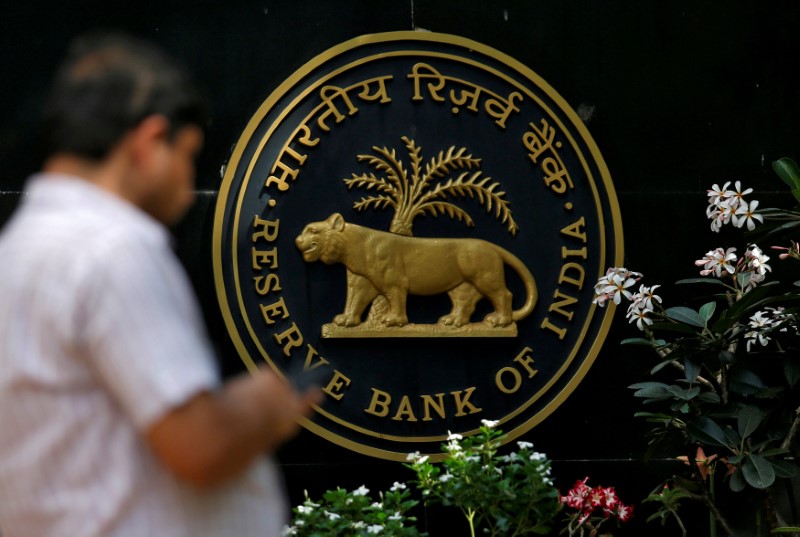
RBI Holds Interest Rates Steady Amid Rising Geopolitical Risks
The Reserve Bank of India (RBI) kept its benchmark interest rate unchanged on Wednesday, in line with market expectations. Governor Sanjay Malhotra highlighted growing risks to the Indian economy stemming from ongoing geopolitical tensions in the Middle East.
The central bank maintained its key policy rate at 5.25%, signaling a cautious approach as global uncertainty continues to rise.
Iran Conflict Raises Concerns for Global and Indian Growth
During a post-policy livestream, Governor Malhotra emphasized that geopolitical instability has intensified in recent months, with the Iran conflict posing additional risks to global economic growth.
Although a ceasefire between the United States and Iran was announced, Malhotra warned that disruptions in energy supply chains, shipping routes, and insurance markets are likely to persist and weigh on economic activity.
He noted that overall risks to the economic outlook remain skewed to the downside, with uncertainty still elevated due to the ongoing tensions in West Asia.
Inflation Outlook Remains Controlled Despite Energy Pressures
The RBI acknowledged that rising global energy prices have started to pass through into certain fuel costs. However, inflation in India has remained relatively subdued in recent months.
Looking ahead, the central bank expects consumer price index (CPI) inflation to reach 4.6% in fiscal year 2027, compared to an estimated 2.6% in fiscal 2026. Economic growth is projected to improve slightly, with GDP expected to rise to 6.9% in fiscal 2027 from 6.8% in the previous year.
Rupee Volatility and Central Bank Intervention
The RBI has been actively intervening in foreign exchange markets in recent weeks to stabilize the Indian rupee. The currency had fallen to record lows against the U.S. dollar amid concerns over the economic impact of rising energy costs.
These interventions aim to limit excessive volatility and support confidence in the domestic currency.
India’s Vulnerability to Energy Supply Disruptions
India remains particularly exposed to geopolitical risks due to its heavy reliance on energy imports passing through the Strait of Hormuz. Any prolonged disruption in this key trade route could lead to higher energy prices and increased inflationary pressures.
As a result, the RBI continues to closely monitor developments in the Middle East, as they could significantly influence India’s economic outlook in the coming months.