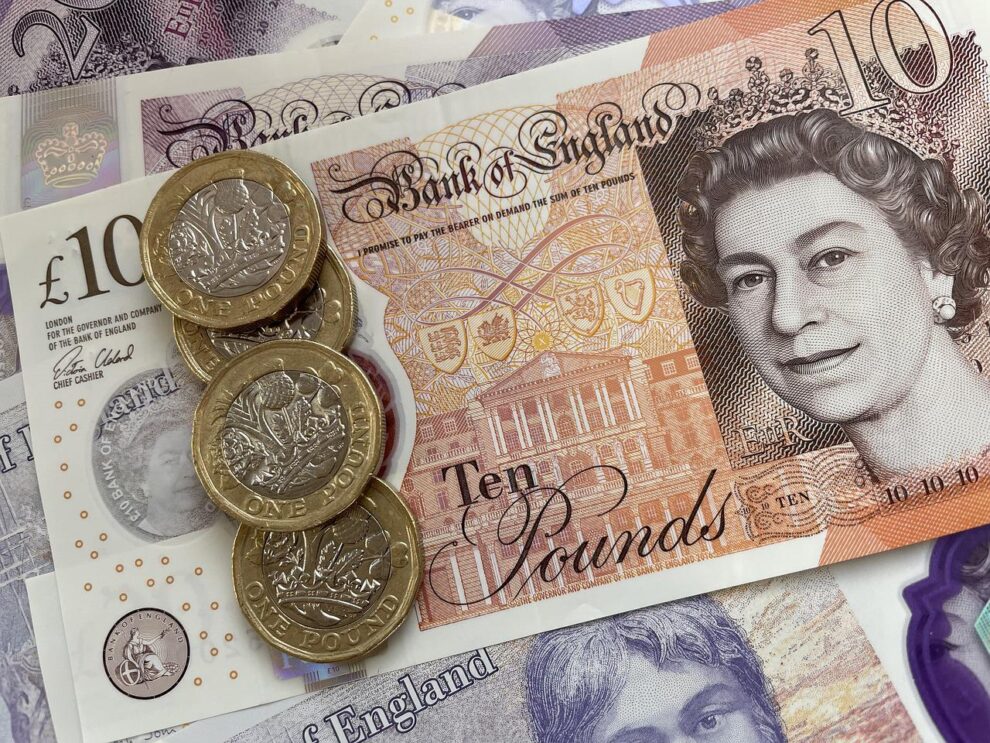
Pound Weakens as Dollar Holds Firm Ahead of Iran Deadline
Sterling came under pressure on Tuesday, trading near $1.3234 in early U.S. hours, as the U.S. dollar remained supported ahead of a key White House deadline related to the ongoing U.S.-Iran tensions.
GBP/USD Extends Recent Losses
The GBP/USD pair continued its downward move, hitting an intraday low of $1.3211. For context, the pair’s 52-week low currently stands at $1.2721, highlighting the broader weakness in the pound.
Geopolitical Tensions Support the Dollar
The dollar has been gaining strength due to rising geopolitical uncertainty, with markets closely watching whether a ceasefire agreement can be reached. Failure to secure a deal could lead to U.S. and Israeli military action targeting Iranian infrastructure, increasing the risk of retaliation across the Gulf region.
Energy Prices Boost Greenback Appeal
Elevated oil and gas prices remain a key driver behind the dollar’s strength. According to ING strategist Chris Turner, any further rise in energy prices—especially if tensions escalate—would strongly favor the U.S. currency.
Strong U.S. Data Adds Momentum
Recent economic data has also supported the dollar. March’s U.S. jobs report exceeded expectations, reinforcing confidence in the strength of the U.S. economy.
At the same time, markets are pricing a relatively stable interest rate path from the Federal Reserve this year, compared to expectations of two to three rate hikes from other major central banks.
Key Events: Fed Minutes and Inflation Data
Investors are now turning their attention to upcoming U.S. economic releases. The minutes from the March 18 Federal Open Market Committee meeting, due Wednesday, and Friday’s CPI inflation report are expected to provide further direction.
Headline U.S. inflation is forecast to rise to 3.4% year-on-year, up from 2.4%. Markets will also monitor comments from New York Fed President John Williams for any shift in tone.
ING expects the U.S. dollar index (DXY) to remain supported within the 100 to 100.50 range.
Euro Remains Under Pressure
The euro also struggled, with EUR/USD trading at $1.1544 and staying within a narrow range of 1.1420 to 1.1640. Market expectations for an April rate hike by the European Central Bank have dropped to below 50%, although around 75 basis points of tightening is still anticipated for the year.
ING warned that if the ECB delays action despite rising energy costs, the euro could face additional downside pressure.
Central and Eastern Europe in Focus
In Central and Eastern Europe, markets mirrored global trends. Czech inflation is expected to rise due to higher fuel prices, while Romania’s central bank is likely to keep rates steady at 6.50% despite elevated inflation.
Poland’s central bank is also expected to hold rates at 3.75%, with investors awaiting further guidance later in the week.
Asia-Pacific Outlook: RBNZ in Spotlight
In the Asia-Pacific region, the Reserve Bank of New Zealand is widely expected to leave interest rates unchanged at 2.25%.
The New Zealand dollar has underperformed the Australian dollar so far this year, and unless the central bank delivers a hawkish surprise, this trend may continue.
Low Liquidity Could Amplify Market Moves
With holiday-related low trading volumes expected later in the week, market reactions to geopolitical developments could become more pronounced, potentially increasing volatility across currency markets.