U.S. Dollar Strengthens as Iran War Uncertainty Drives Safe-Haven Demand
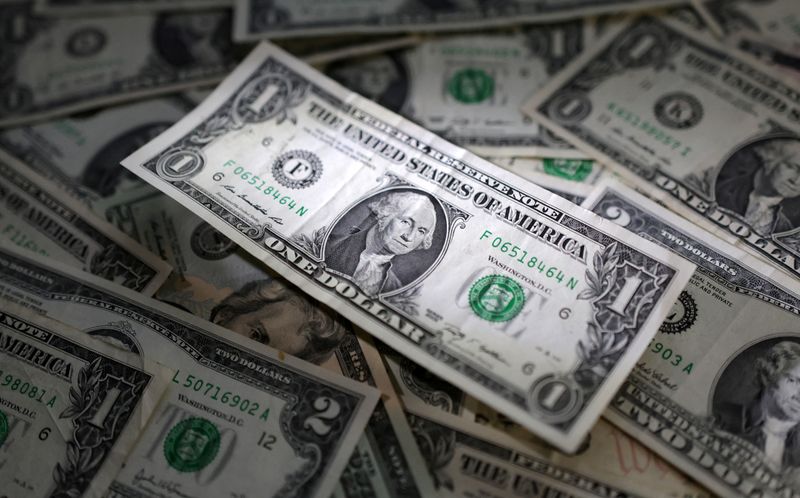
The U.S. dollar strengthened on Monday as investors turned to safer assets amid ongoing uncertainty surrounding the Iran war. The unclear geopolitical outlook continues to support demand for the greenback.
Dollar Index Near 10-Month High
By 08:31 ET (12:31 GMT), the U.S. dollar index rose 0.2% to 100.34, reflecting broad strength against major currencies. At the same time, the euro declined 0.2% to $1.1483, while the British pound slipped 0.2% to $1.3232.
The dollar is now trading close to a 10-month high and is on track for its strongest monthly performance since July 2025.
Strait of Hormuz Disruption Fuels Market Volatility
Financial markets remain on edge due to the ongoing closure of the Strait of Hormuz, a key global shipping route for crude oil. The disruption has significantly reduced tanker traffic, driving oil prices sharply higher.
This surge in energy costs is increasing inflation concerns worldwide and adding pressure to global economic stability.
Asia and Europe Face Energy Exposure Risks
Major Asian economies, particularly Japan and South Korea, are among the most exposed to the supply disruption. At the same time, Eurozone countries remain vulnerable due to their reliance on natural gas imports from the Persian Gulf.
The continued conflict in the Middle East is amplifying these risks and weighing on global growth expectations.
Dollar Benefits From Safe-Haven Status
Despite broader market uncertainty, the U.S. dollar is benefiting from its role as a safe-haven currency. The United States’ position as a net energy exporter is also seen as a key advantage, potentially shielding its economy from the worst effects of rising oil prices.
Analysts note that unless there are clear signs of de-escalation from Iran, the dollar is likely to maintain its upward momentum.
Markets Watch Trump Comments and Fed Outlook
Investors are closely monitoring developments in the Middle East, including statements from President Donald Trump, who said that progress has been made in negotiations with Iran but warned of potential escalation if talks fail.
Attention is also turning to Federal Reserve Chair Jerome Powell, who is expected to provide insights into monetary policy as the conflict unfolds. Upcoming U.S. economic data, including labor market figures, will also play a key role in shaping market expectations.