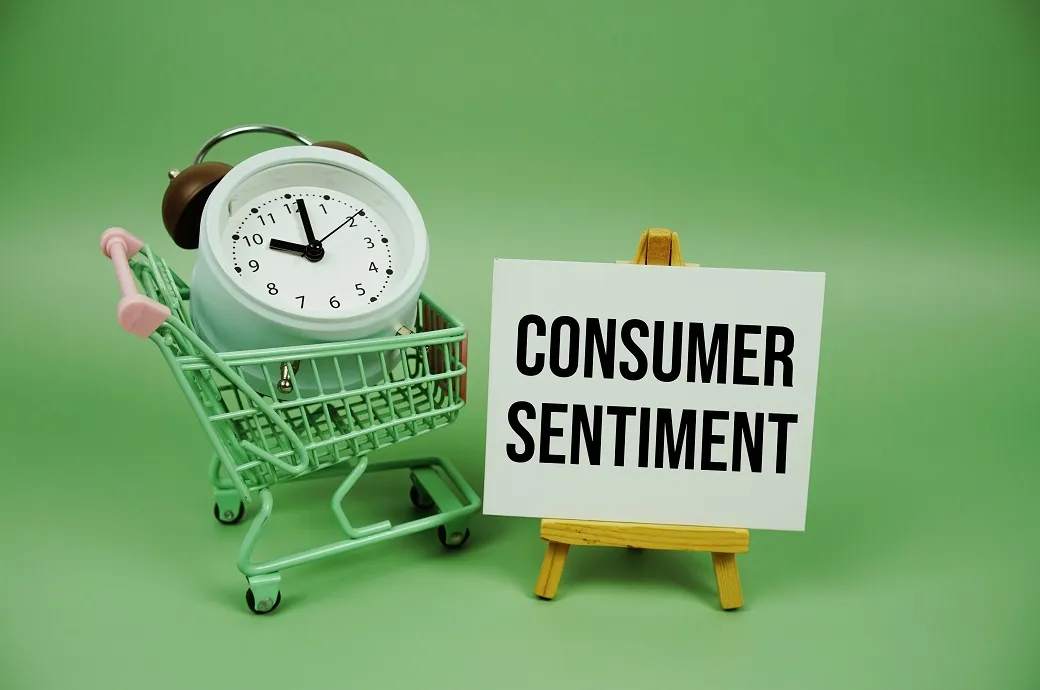
U.S. Consumer Sentiment Falls to Lowest Level Since December
U.S. consumer sentiment declined sharply in March, dropping to its lowest level since December, according to the latest survey released by the University of Michigan. Despite the decline, households do not appear to expect the economic effects of the Iran war to have a lasting impact on inflation or long-term growth.
March Sentiment Index Declines but Remains Above 2025 Lows
The final reading of the consumer sentiment index for March came in at 53.3, down from 56.6 in February. While this marks the weakest level so far this year, it remains above the lows recorded in 2025, when uncertainty surrounding President Donald Trump’s tariff policies weighed heavily on confidence.
Wealthier Households Hit Hardest by Market Volatility
Consumers in middle- and higher-income brackets — particularly those with stock market exposure — were among the most affected. Rising fuel costs and increased financial market volatility, following the escalation of the U.S.-Israel conflict with Iran in late February, significantly impacted their outlook.
Joanne Hsu, Director of the University of Michigan’s Surveys of Consumers, noted that this group experienced especially sharp declines in sentiment.
Short-Term Outlook Weakens, Long-Term Expectations More Stable
The survey showed that short-term economic expectations and one-year outlooks for personal finances deteriorated notably. However, longer-term expectations remained relatively stable, indicating that consumers are not yet anticipating a prolonged downturn.
Inflation and Conflict Duration Remain Key Risks
According to Hsu, current sentiment trends suggest that consumers believe recent economic pressures may be temporary. However, this outlook could shift if the Iran conflict continues for an extended period or if rising energy prices begin to feed more significantly into broader inflation.