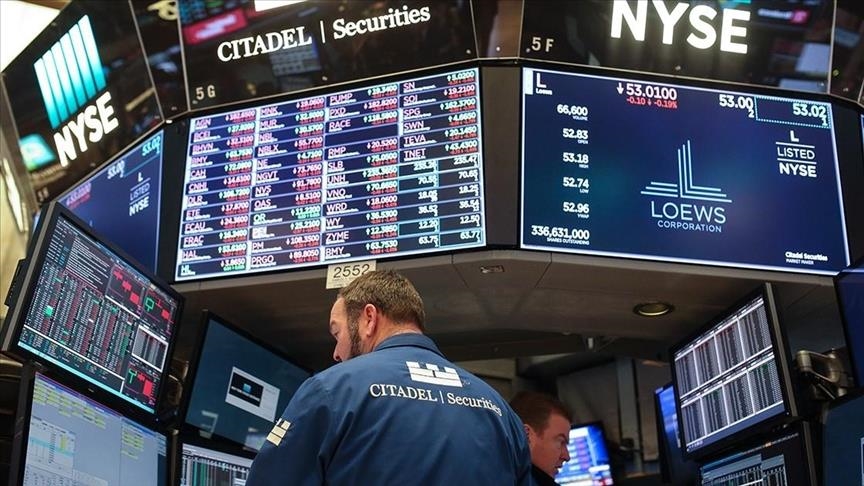
Wall Street Gains on De-Escalation Hopes Despite Iran Pushback
U.S. stocks moved higher on Wednesday as investors focused on hopes of easing tensions in the Middle East, even as Iran rejected a U.S. ceasefire proposal aimed at ending the conflict. Markets have remained volatile throughout the week, reacting to conflicting headlines surrounding the war.
By 11:29 ET (15:29 GMT), the S&P 500 rose 0.7% to 6,602.15 points, while the NASDAQ Composite gained 1% to 21,969.98. The Dow Jones Industrial Average also advanced 0.7% to 46,430.54.
Markets Swing on Conflicting Iran Headlines
According to Deutsche Bank strategist Jim Reid, markets have been highly sensitive to developments in the Iran conflict. Earlier weakness driven by uncertainty over negotiations shifted to renewed optimism later in the U.S. session and into Asian trading hours.
Ceasefire Prospects Remain in Focus
Investor attention remains centered on the possibility of a ceasefire between U.S.-Israeli forces and Iran. While fighting continues, reports suggest that Washington has increased its military presence in the region, and some Gulf allies are urging continued pressure on Tehran.
Recent trading sessions have been marked by sharp swings, as U.S. President Donald Trump claimed that negotiations with Iran were ongoing—claims that Tehran has repeatedly denied.
Reports of Diplomatic Efforts Boost Sentiment
Market sentiment improved after reports indicated that U.S. officials, including envoy Steve Witkoff and businessman Jared Kushner, are working on a framework for a ceasefire. The proposed plan reportedly includes a 15-point agreement that could pave the way for negotiations.
Key elements of the proposal include demands for Iran to dismantle nuclear facilities and reopen the Strait of Hormuz, a critical global oil shipping route that has been largely disrupted in recent weeks.
Iran Rejects Ceasefire Proposal
Despite renewed optimism, Iran has pushed back against the proposal. Reports indicate that Tehran is demanding stricter conditions, including the closure of U.S. military bases in the Gulf and the right to impose fees on ships passing through the Strait of Hormuz.
Iranian officials have also stated that they seek a complete end to the war rather than a temporary ceasefire, further complicating diplomatic efforts.
Oil Prices Remain Elevated Despite Pullback
Oil prices recovered slightly after earlier losses, with Brent crude still trading above $100 per barrel—well above pre-conflict levels of around $70.
The ongoing conflict continues to raise concerns about global energy supply and inflation, keeping markets on edge.
Economic Data Signals Growing Pressure
Recent U.S. economic data added to investor concerns. Preliminary business activity figures showed a slowdown, with S&P Global’s flash PMI falling to an eleven-month low, highlighting the impact of rising energy costs on economic growth.
Similar trends are emerging in Europe, where PMI data has raised concerns about stagflation—an environment of high inflation combined with weak growth.
Key Stock Movers Drive Market Activity
In corporate news, Merck announced it will acquire Terns Pharmaceuticals for approximately $6.7 billion, boosting Terns’ shares by over 5%.
Chewy surged more than 12% after reporting stronger-than-expected quarterly earnings.
Meanwhile, companies such as EchoStar, Rocket Lab, and AST SpaceMobile gained following reports that SpaceX may soon file for a highly anticipated initial public offering.