China Signals Possible Countermeasures Over Mexico Tariff Hikes
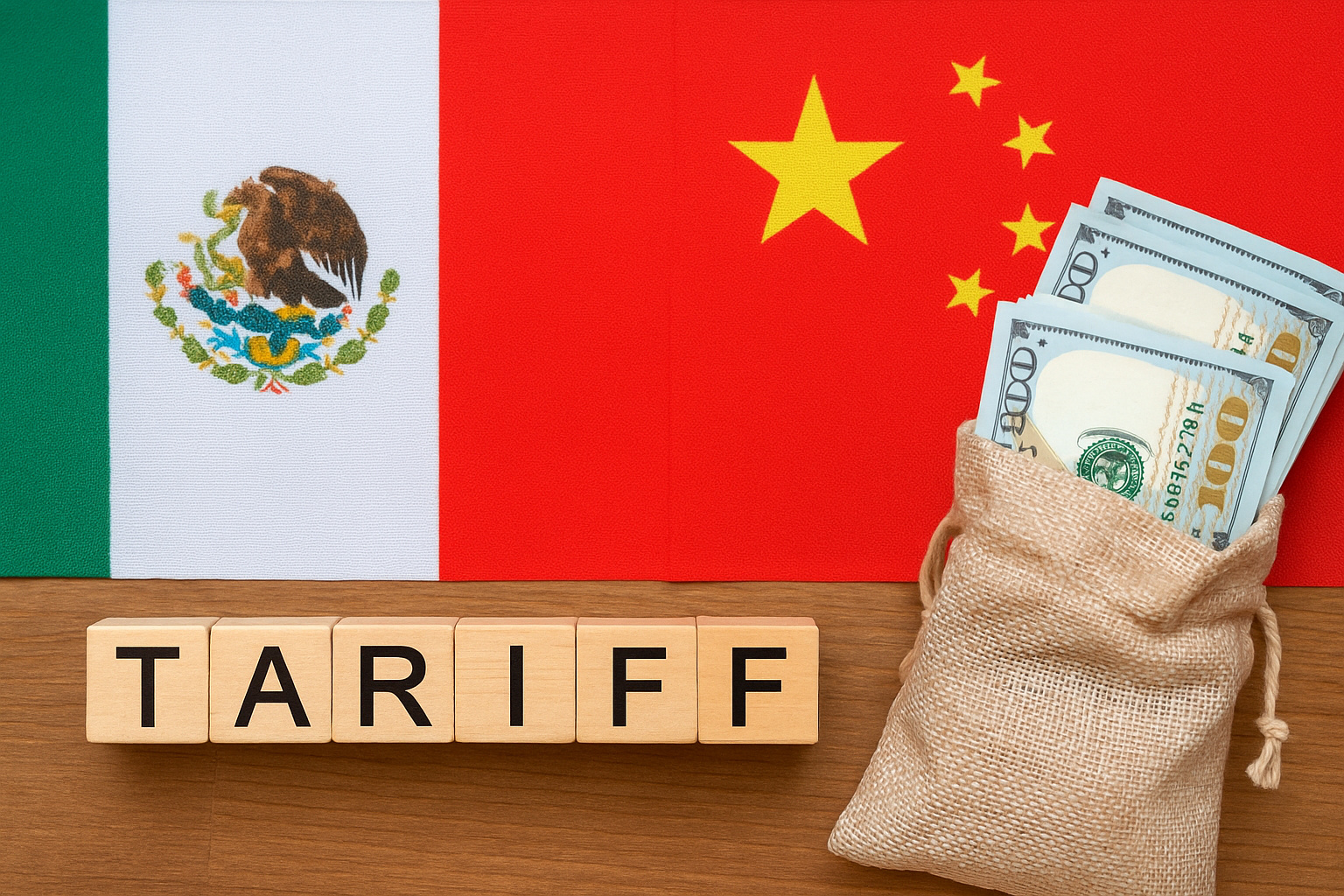
China stated on Wednesday that Mexico’s recent trade actions, including higher tariffs, represent significant barriers to trade and investment. Beijing emphasized that it reserves the right to respond with countermeasures to protect its economic interests.
Tariffs Impact Over $30 Billion in Chinese Exports
According to China’s Ministry of Commerce, the increased import duties affect more than $30 billion worth of Chinese goods exported to Mexico. The ministry estimates that these measures could result in losses of approximately $9.4 billion for China’s mechanical and electrical industries.
Auto Sector Faces Major Losses
A large portion of the projected losses—around $9 billion—is expected to impact China’s automotive and auto parts sectors. Mexico was China’s largest export destination for vehicles in 2025, based on customs data and industry analysis.
Mexico’s Tariff Policy Targets Non-FTA Countries
In December, Mexico introduced significant tariff increases on imports from China and other countries that do not have free trade agreements with the country. Tariffs rose as high as 35% on a wide range of products.
Analysts viewed the move as an effort by Mexico to align more closely with the United States, which has also imposed substantial tariffs on Chinese goods.
Beijing Keeps Retaliation Options Open
Although China has not yet announced specific countermeasures, officials have repeatedly indicated that the government may take action to defend its rights and economic interests.
Broader Trade Restrictions Add Pressure
Beyond tariffs, China also highlighted concerns over non-tariff barriers introduced by Mexico in recent years. These include stricter customs inspection procedures, which could limit the operations and investments of Chinese companies in the region.
Additionally, sectors such as metals, chemicals, textiles, and light industrial goods are expected to face further pressure due to the new trade measures.