Asian Currencies Weaken Amid Iran Uncertainty and Stronger Dollar
Most Asian currencies declined on Tuesday as investors reacted to mixed signals surrounding the Middle East conflict. At the same time, a rebound in the U.S. dollar and softer economic data from Japan added further pressure on regional currencies.
U.S. Dollar Rebounds After Recent Losses
The U.S. dollar strengthened after falling in the previous session, with the Dollar Index rising 0.5%. Dollar Index futures also moved higher, reflecting renewed demand for the greenback as uncertainty in global markets persists.
Conflicting Signals on Iran Weigh on Sentiment
Market sentiment was initially supported after U.S. President Donald Trump stated that Washington had engaged in “productive” talks with Iran and would delay strikes on the country’s energy infrastructure.
However, Iran denied that any negotiations had taken place, contradicting U.S. claims and creating uncertainty over whether tensions in the region will ease.
Regional Currencies Under Pressure
Asian currencies broadly weakened against the dollar. The South Korean won declined, with USD/KRW rising about 1%. The Indian rupee also weakened, with USD/INR climbing 0.4% to 93.54, close to recent record levels.
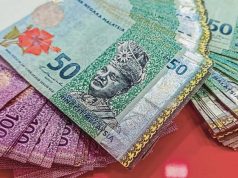
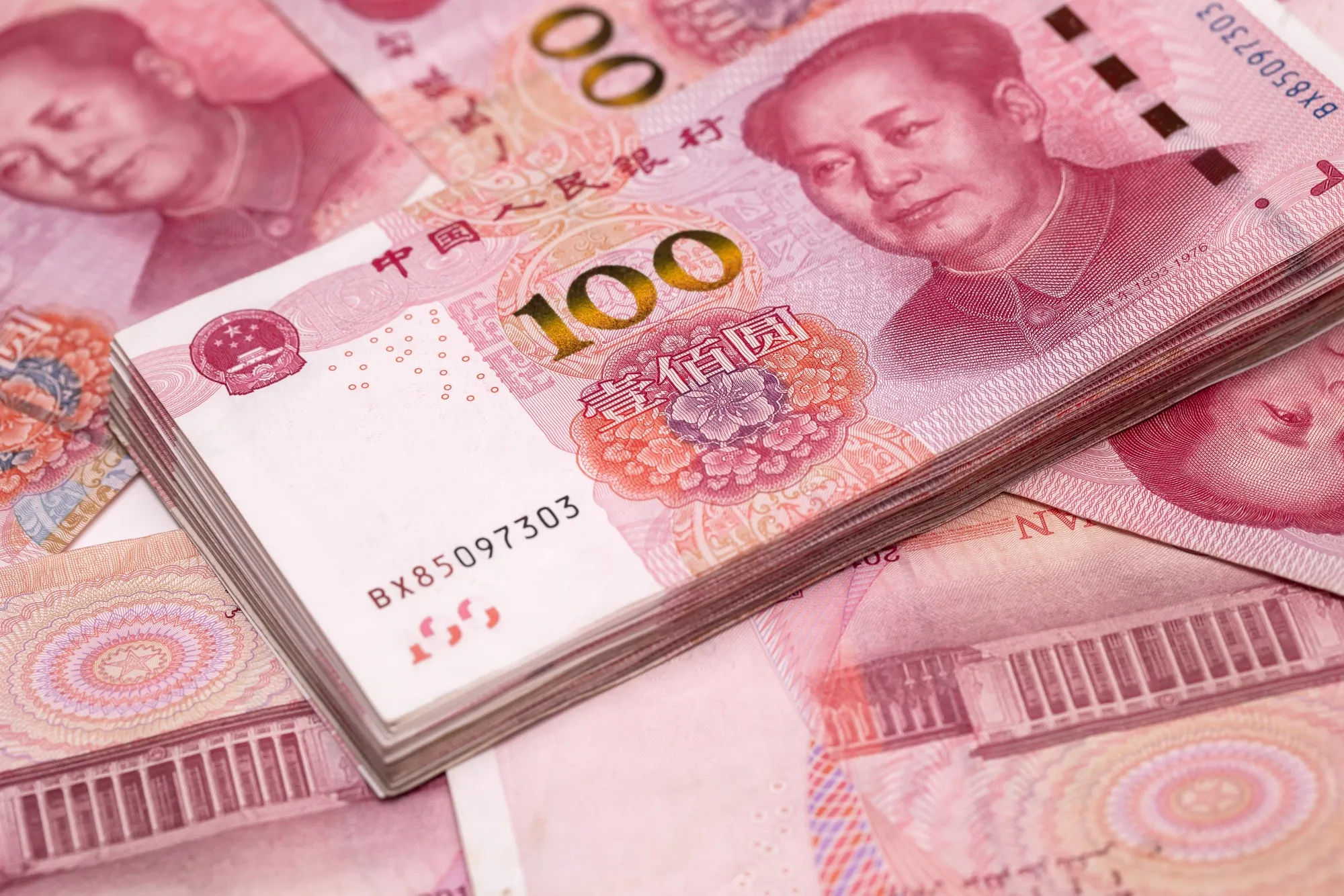
The Chinese yuan edged lower, while the Singapore dollar and Australian dollar also lost ground. Meanwhile, the Japanese yen showed slight strength, with USD/JPY dipping marginally.
Japan Core Inflation Falls Below BOJ Target
Fresh data showed that Japan’s inflation slowed more than expected, with core CPI falling below the Bank of Japan’s 2% target. This development complicates the outlook for monetary policy.
Business Activity Slows but Remains in Expansion
Japan’s economic activity also showed signs of moderation. The flash manufacturing PMI eased to 51.4 in March from 53.0, indicating slower growth in factory output, although still remaining in expansion territory.
BOJ Policy Outlook Remains Uncertain
The weaker inflation data has reinforced expectations that the Bank of Japan may take a cautious approach to further policy tightening. However, analysts note that the central bank is likely to focus on underlying inflation pressures rather than short-term declines.
Strong wage growth and relatively resilient business activity could still support the case for a rate hike as early as April, although timing will depend on geopolitical developments, particularly in the Middle East.