Gold Recovers as Trump Delays Iran Strikes After Talks
Gold prices pared earlier losses after Donald Trump announced that the United States had engaged in “productive” discussions with Iran and would temporarily delay any planned military strikes on Iranian energy infrastructure.
Gold and Silver Price Movements
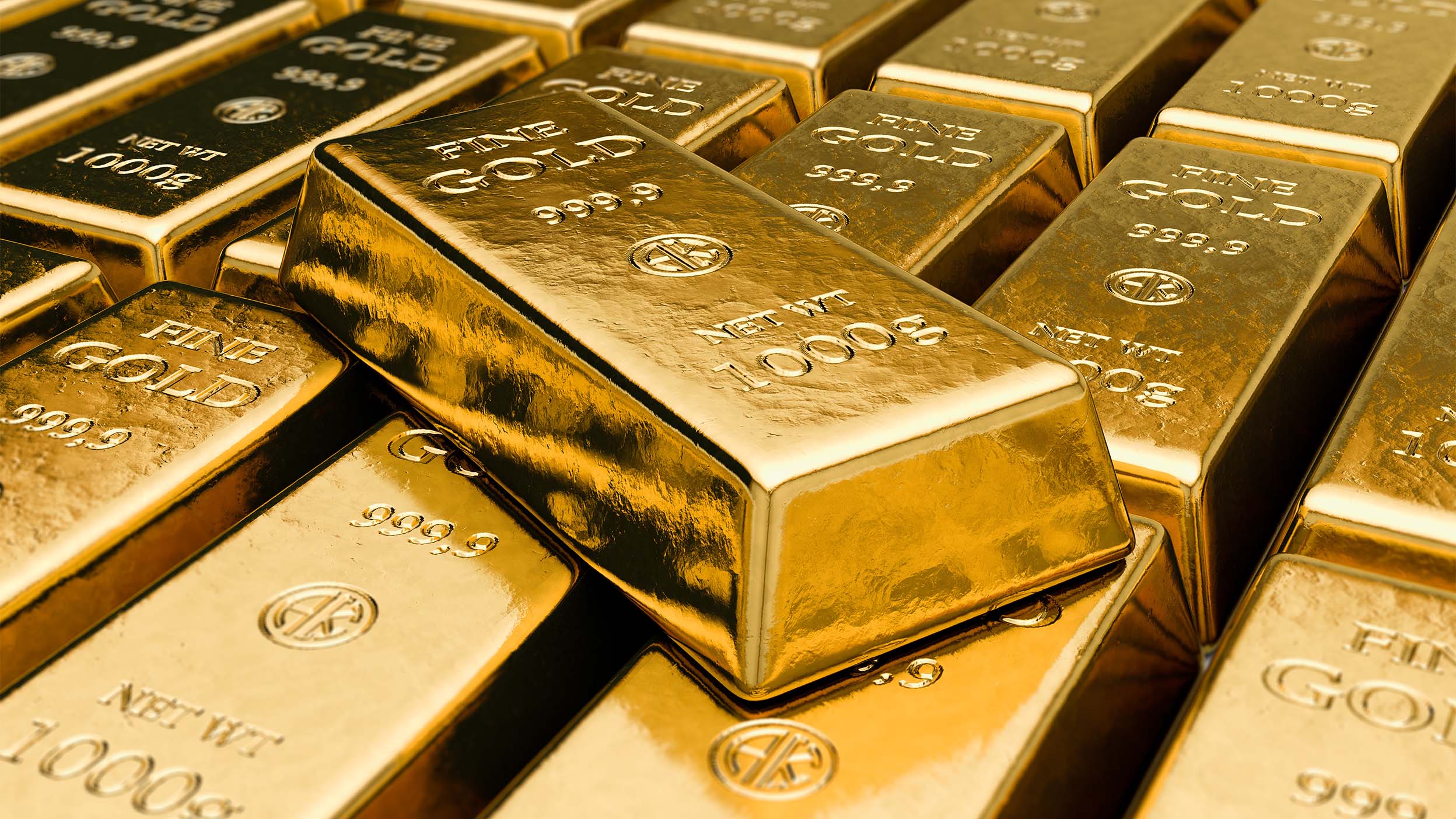
By 09:55 ET (13:55 GMT), spot gold was down 0.9% at $4,447.18 per ounce, after earlier falling to its lowest level since late December. Gold futures declined more sharply, dropping 2.8% to $4,481.39 per ounce.
Meanwhile, spot silver moved higher, gaining 1.2% to $68.60 per ounce.
Trump Signals Temporary De-Escalation
In a social media post, Trump described the recent discussions as “good and productive,” indicating that both sides are exploring a potential resolution to ongoing tensions.
He added that, based on the tone of the talks—which are expected to continue throughout the week—he had instructed the Pentagon to delay any military action against Iran’s power plants and energy infrastructure for five days.
Strait of Hormuz Remains a Key Flashpoint
Prior to the announcement, Trump had warned that the U.S. would launch strikes on Iran’s energy facilities if Tehran failed to reopen the Strait of Hormuz.
This narrow shipping route, located south of Iran, is a critical global energy corridor, handling roughly one-fifth of the world’s maritime oil trade. As a result, it has become a central point of tension in the conflict.
Iran Pushes Back on U.S. Claims
Iran has warned that any U.S. attack on its energy infrastructure would trigger retaliation against Israeli power facilities and assets linked to U.S. bases across the Persian Gulf.
At the same time, Iran’s Fars News Agency reported that no direct or indirect negotiations had taken place with Washington, contradicting Trump’s statements about ongoing talks.
Market Reaction Reflects Ongoing Uncertainty
The mixed movement in gold prices highlights continued uncertainty in global markets. While geopolitical tensions typically support safe-haven assets like gold, signs of potential de-escalation can temporarily reduce demand.
Investors remain focused on further developments in U.S.-Iran relations, as well as the broader impact on energy markets and global risk sentiment.