Musk Unveils “Terafab” to Power Next-Gen Chip Production
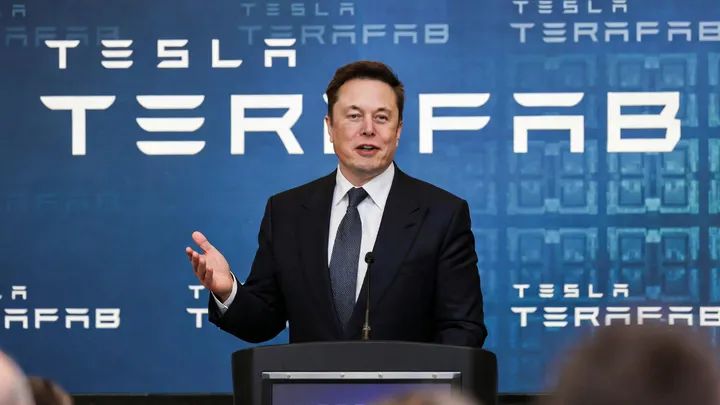
Elon Musk has announced the launch of a major semiconductor initiative in Austin, Texas, called “Terafab.” The project is designed to bring chip manufacturing in-house across his growing ecosystem of artificial intelligence, robotics, and aerospace ventures.
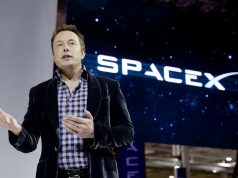
The facility will be jointly operated by Tesla Inc (NASDAQ: TSLA) and SpaceX, aiming to reduce reliance on the global semiconductor supply chain, which Musk has criticized as too slow to meet his companies’ rapid scaling needs.
Building the Future of AI, Robotics and Space Computing
Terafab is expected to support up to a terawatt of computing capacity annually. This level of output is intended to accelerate advancements in key areas such as autonomous driving, humanoid robotics, and space-based data infrastructure.
By securing its own chip production capabilities, Musk’s ecosystem aims to gain greater control over performance, scalability, and innovation timelines.
A Strategic Shift Toward Vertical Integration
The Terafab project represents a major step toward full vertical integration. Tesla currently works with external suppliers such as Taiwan Semiconductor Manufacturing (NYSE: TSM) and Micron Technology Inc (NASDAQ: MU), but this new facility will focus on producing advanced 2-nanometer chips internally.
The strategy includes two main chip architectures: one optimized for edge AI applications like Optimus robots and robotaxi fleets, and another high-performance variant designed for SpaceX and its AI-focused subsidiary, xAI.
Consolidation of Musk’s Technology Ecosystem
The announcement follows the recent integration of xAI into SpaceX, signaling a broader consolidation of Musk’s technological assets. By developing proprietary semiconductor solutions, the group aims to reduce costs associated with large-scale AI deployment while meeting specialized requirements, such as radiation-resistant chips for orbital data centers.
Expanding Into Space-Based Data Infrastructure
Terafab is also a key component of Musk’s long-term vision to move advanced computing infrastructure into space. SpaceX has already applied for regulatory approval to deploy a large network of data center satellites.
Funding for these ambitious projects is expected to come from a potential $50 billion IPO later this year. The chips produced at Terafab will power these next-generation AI satellites, which are expected to scale from smaller kilowatt systems to megawatt-level capacity over time.
High Stakes in a Capital-Intensive Industry
The launch of Terafab comes as Tesla deepens its collaboration with xAI, including a $2 billion investment and the integration of the Grok AI chatbot into its vehicles.
As Musk pushes toward rapid technological expansion, the success of this initiative will depend on overcoming the significant engineering and financial challenges associated with advanced semiconductor manufacturing.