Energy Prices Surge After Major LNG Facility Attack
Global energy prices jumped sharply on Thursday after Iran struck the world’s largest LNG complex in Qatar. The attack caused significant damage, raising fears of prolonged supply disruptions and confirming long-standing concerns about the risks of a wider Middle East conflict.
QatarEnergy CEO Saad al-Kaabi stated that repairs could take up to five years, potentially forcing the company to declare force majeure on long-term supply contracts with countries including Belgium, China, Italy, and South Korea.
Two LNG production units were destroyed in the strike, which could reduce Qatar’s liquefied natural gas exports by approximately 17% over the next three to five years.
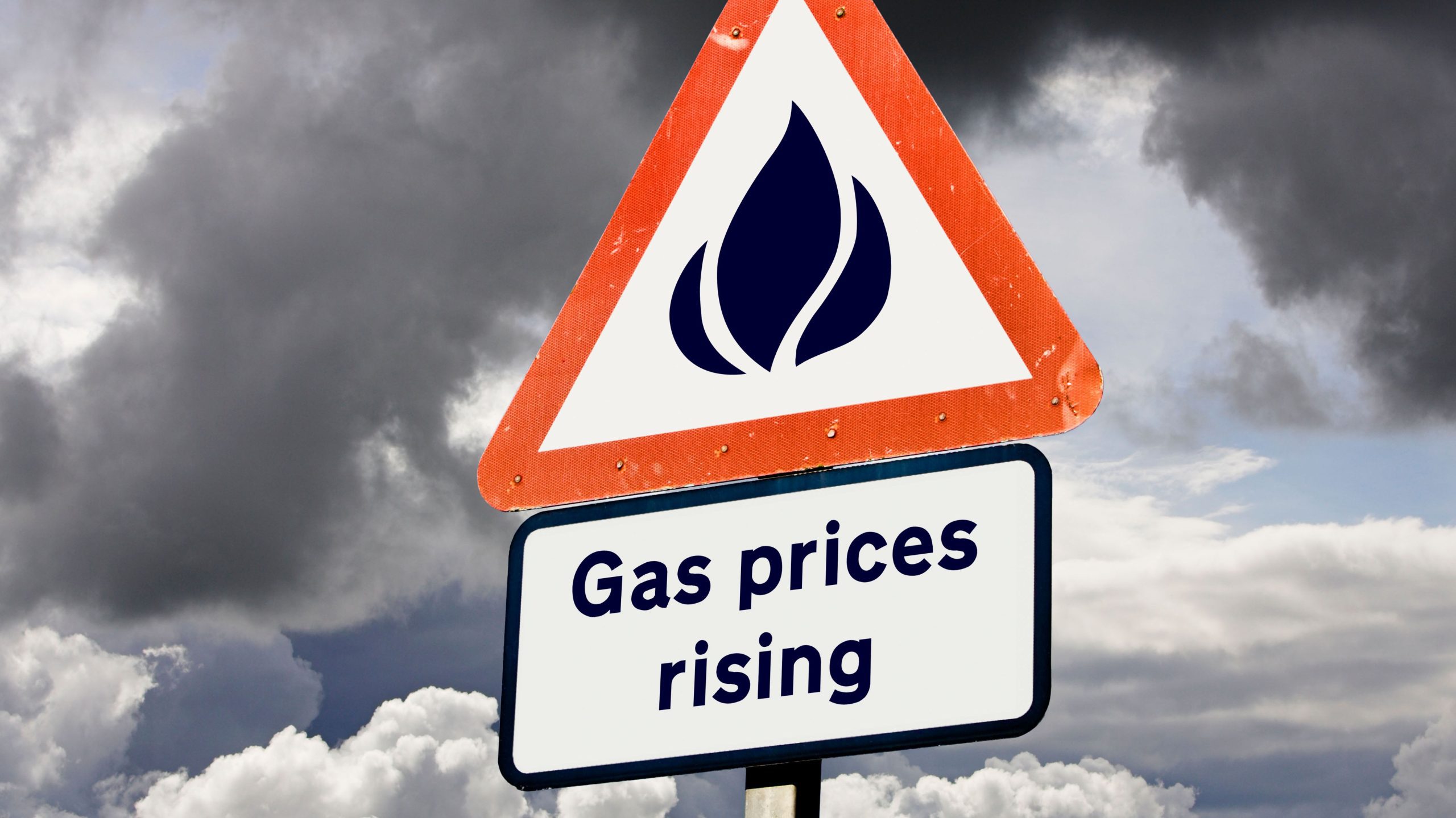
As a result, European gas prices surged by as much as 35%, while oil prices jumped nearly 10% before easing slightly later in the day.
Conflict Escalation Sparks Global Energy Fears
The attack marks a major escalation in the ongoing conflict. Analysts highlight that Israel’s earlier strike on Iran’s South Pars gas field, followed by Iran’s retaliation targeting Qatar’s Ras Laffan facility, has significantly intensified the situation.
Experts warn that the damage could trigger a long-term global gas crisis, with supply disruptions potentially lasting well beyond the end of the conflict.
Iran also targeted energy infrastructure across the region, including facilities in Saudi Arabia, the UAE, and Kuwait. These attacks caused refinery fires, temporary shutdowns, and operational disruptions.
Market strategists say the conflict is no longer limited to geopolitical tensions—it is now directly impacting the core infrastructure of the global energy system. This shift is increasing concerns about stagflation risks worldwide.
Inflation Risks Rise Across Global Economies
The European Central Bank warned that rising energy prices could have a significant impact on short-term inflation, depending on how long the conflict lasts and how severe it becomes.
Markets now expect eurozone inflation to approach 4% over the next year, with a slow return to the ECB’s 2% target. Traders are increasingly pricing in two to three interest rate hikes by the end of the year.
In the United States, Treasury yields surged as investors adjusted expectations for Federal Reserve policy, effectively reversing much of last year’s rate cut outlook.
According to the International Monetary Fund, a sustained 10% increase in oil prices could raise global inflation by around 0.4 percentage points while reducing economic growth by up to 0.2%.
Global Leaders Call for Stability in Energy Markets
Major economies including the UK, France, Germany, Italy, Japan, and the Netherlands have called for an immediate halt to attacks on energy infrastructure. Governments are also working with producers to stabilize global markets and prevent further disruptions.
Meanwhile, U.S. President Donald Trump warned Iran against launching additional strikes on Qatari LNG facilities, threatening severe retaliation if attacks continue.
Rising Tensions and Ongoing Supply Disruptions
Iran has stated it will respond aggressively to any further attacks on its infrastructure, signaling continued geopolitical risk.
Since late February, European gas prices have already doubled, reflecting growing supply concerns. Additional disruptions have been reported across key oil export routes and production facilities:
- Saudi oil shipments faced temporary disruption at the Red Sea port of Yanbu
- Drone strikes caused fires at major Kuwaiti refineries
- The UAE shut down gas facilities following missile interceptions
These developments come as tanker traffic through the Strait of Hormuz remains heavily restricted, further tightening global energy supply.
Conclusion: Markets Face Prolonged Uncertainty
The latest escalation has pushed global energy markets into a new phase of uncertainty. With critical infrastructure under attack and supply chains under pressure, investors are bracing for prolonged volatility, higher inflation, and potential economic slowdown.