UK Wage Growth Slows to Lowest Level Since 2020
UK wages, excluding bonuses, increased at their slowest pace since late 2020 in the three months to January, according to official data released on Thursday. The figures also संकेत that weakness in the labour market may be stabilizing.
Regular earnings rose by 3.8% during the November-to-January period, marking a slowdown from 4.1% recorded in the final quarter of 2025. This is the weakest wage growth recorded since the three months to November 2020, according to the Office for National Statistics (ONS).
Economists had expected a slightly stronger increase of around 4.0%, highlighting a downside surprise in the latest data.
Unemployment Holds Steady as Job Market Shows Mixed Signals
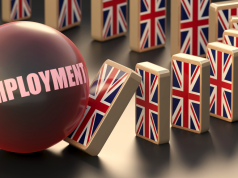
The UK unemployment rate remained unchanged at 5.2%, its highest level since the COVID-19 pandemic. The data is based on an ongoing labour market survey currently being revised by the ONS.
Despite this, there were some positive signs in employment. Payrolled employment rose by an estimated 20,000 between December and January, suggesting a possible stabilization in hiring trends.
Additionally, January payroll figures were revised higher, showing an increase of 6,000 jobs compared to an earlier estimate of an 11,000 decline.
Bank of England Faces Growing Policy Uncertainty
The Bank of England has been weighing whether persistent wage-driven inflation or a slowdown in hiring poses the greater risk to the UK economy.
However, rising energy prices linked to the ongoing Middle East conflict have introduced new inflation pressures, complicating the central bank’s outlook.
The Bank of England is widely expected to keep interest rates unchanged at the conclusion of its March Monetary Policy Committee meeting. This marks a shift from earlier expectations, which had pointed to a potential rate cut.