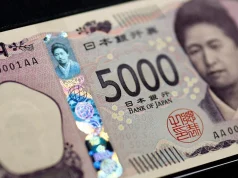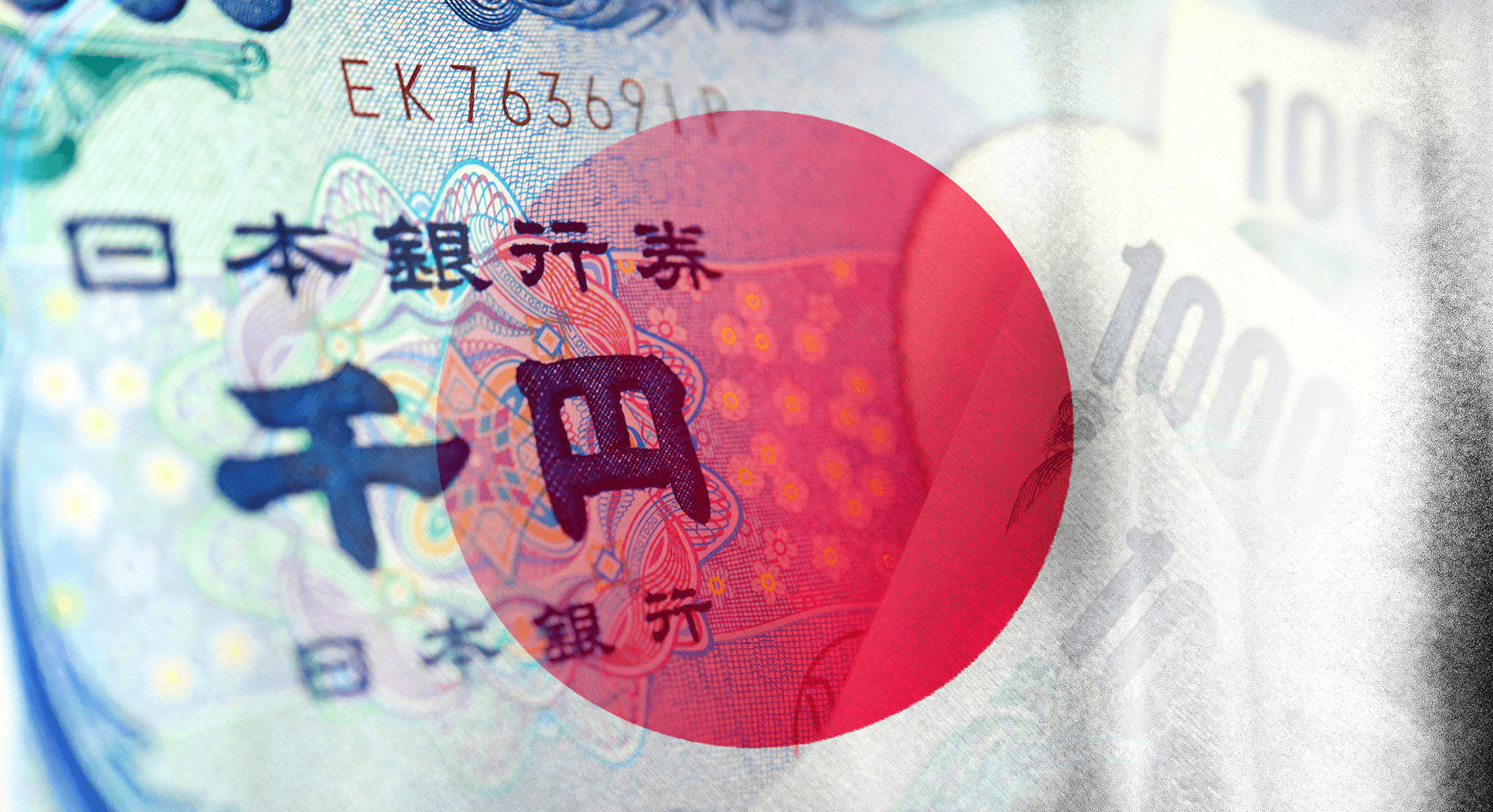
The Japanese yen has traditionally been viewed as one of the world’s key safe-haven currencies, typically strengthening during periods of global uncertainty and market turmoil. However, the currency has recently struggled to gain ground despite rising geopolitical tensions, including the ongoing conflict involving the United States, Israel, and Iran.
Historically, Japan’s large trade surplus and significant net international investment position made the yen an attractive refuge for investors during times of financial stress. In recent years, however, the yen’s safe-haven reputation has become less reliable and increasingly dependent on broader economic conditions.
According to Joey Chew, head of Asia FX research at HSBC, the yen has become more vulnerable to energy-related shocks. The currency weakened during previous Middle East tensions, including the Israel-Iran escalation in mid-2025, highlighting its sensitivity to disruptions in global oil supply.
Several structural changes in Japan’s economy have also weakened the yen’s traditional safe-haven role. Increased competition from China has reduced the global market share of Japanese exporters. At the same time, Japan has become more reliant on energy imports, particularly after many nuclear power plants were shut down following the Fukushima disaster. In addition, interest rates in Japan no longer provide the same support for the currency as they once did.
Currently, the yen is trading just below 160 per U.S. dollar, near the weakest levels seen since the last government intervention in July 2024 aimed at strengthening the currency. As a result, investors are increasingly alert to the possibility of another intervention by Japanese authorities.
Steve Englander, global head of G10 FX research at Standard Chartered, noted that the yen is particularly sensitive to movements in oil prices. If energy costs rise further, the currency could potentially weaken beyond the 160 level against the dollar.
Despite the current weakness, analysts do not believe the yen’s safe-haven role has disappeared entirely. Thomas Mathews, head of markets for Asia-Pacific at Capital Economics, said investors should not necessarily expect the yen to act as a safe haven during the current crisis. However, he also emphasized that the currency could regain that status under different economic conditions.
Carol Kong, a currency strategist at Commonwealth Bank of Australia, added that a prolonged geopolitical conflict could eventually weigh on global economic growth. In such a scenario, investors may once again turn to the yen as a defensive asset.
Stagflation fears return to the spotlight
Concerns about stagflation have also resurfaced in financial markets. During the 1973 Yom Kippur War, the Arab oil embargo triggered a sharp surge in global energy prices. Oil prices tripled at the time, and Japan experienced inflation as high as 24.9% the following year, one of the highest rates among advanced economies.
Those historical stagflation risks are now returning to investors’ attention as oil prices remain elevated amid ongoing geopolitical tensions.
Oil prices and the yen relationship
The relationship between oil prices and the Japanese yen has become increasingly unpredictable in recent years. Since the COVID-19 pandemic, the correlation between oil prices and the yen has shifted multiple times, making it harder for investors to rely on traditional market patterns.
Interest rate dynamics changing
In the past, the difference between Japanese and U.S. 10-year government bond yields was often a reliable indicator of the yen’s direction. Today, that relationship appears less consistent. Economists continue to debate whether fiscal spending by Prime Minister Sanae Takaichi’s government or the Bank of Japan’s balance sheet policies are having the greater influence on currency movements.
Rising short positions against the yen
Speculative traders are increasingly betting against the Japanese currency. According to the latest CFTC data, net short positions on the yen have grown among speculative investors, including hedge funds. This suggests that traders are testing how far the currency can weaken before authorities intervene.
Carry trades remain attractive
Despite the currency’s weakness, yen carry trades continue to attract investors. By borrowing in yen and investing in higher-yielding assets such as U.S. dollars, traders can still generate attractive returns. However, recent data shows that foreign investors significantly reduced their holdings of Japanese government bonds (JGBs) in early March, marking the largest weekly outflow since mid-January.