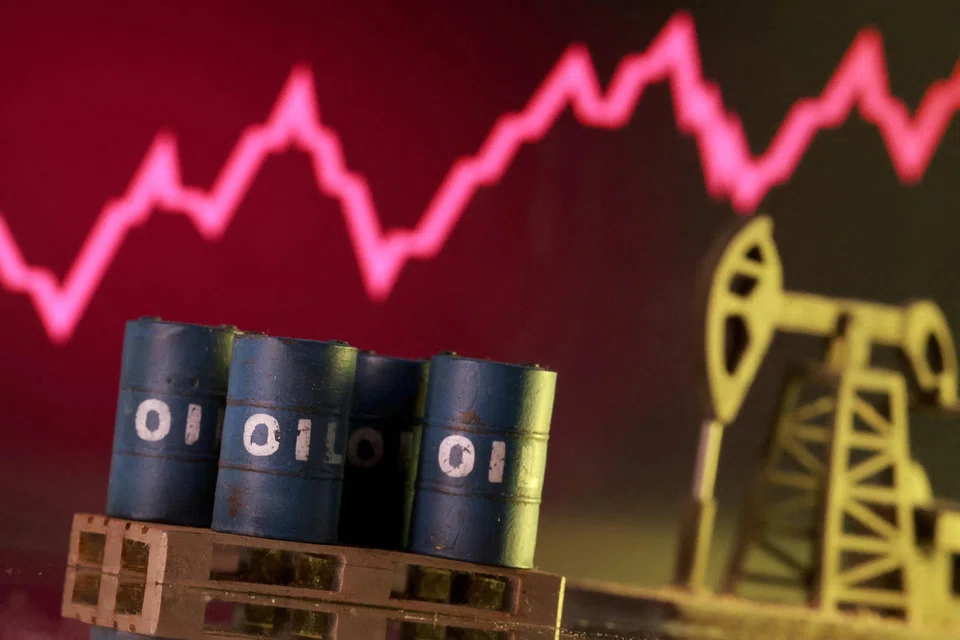
Oil Prices Decline After Report of Record IEA Strategic Reserve Release
Oil prices moved lower during Asian trading on Wednesday after a report from The Wall Street Journal indicated that the International Energy Agency is considering its largest-ever emergency oil reserve release. The move is intended to stabilize global energy markets as tensions rise due to the conflict involving the United States, Israel, and Iran.
Brent crude futures for May dropped nearly 1% to $86.93 per barrel, while West Texas Intermediate (WTI) crude futures declined 0.5% to $83.07 per barrel by 00:55 ET (05:55 GMT). Oil markets initially reacted with sharp volatility after the report before prices gradually moved lower.
IEA Considering Record Oil Reserve Release
According to the report, the IEA has proposed releasing a record amount of strategic oil reserves, with member countries expected to discuss the proposal during a meeting on Wednesday.
The potential release could exceed the 182 million barrels of oil released in 2022, which remains the largest coordinated strategic petroleum reserve release to date and was implemented following the outbreak of the Russia-Ukraine war.
The proposed emergency action is designed to offset supply disruptions linked to Iran’s near closure of the Strait of Hormuz, one of the world’s most critical oil shipping routes. Approximately 20% of global oil supply passes through this narrow waterway, making it a key artery for energy trade.
Strait of Hormuz Disruptions Raise Global Supply Concerns
Energy markets have been closely watching developments in the Strait of Hormuz after reports that Iranian forces attacked ships passing through the area and planted naval mines in the channel.
Iran has stated that shipping traffic through the strait will only resume fully once U.S. and Israeli military operations against the country stop.
A prolonged disruption in the region could significantly impact oil and gas supplies to several Asian economies that rely heavily on energy imports.
Meanwhile, reports earlier this week suggested that Group of Seven (G7) nations are also considering coordinated oil reserve releases to help stabilize supply. In addition, the United States has temporarily eased certain sanctions on Russian oil exports in an effort to increase global crude supply.
Oil Markets React to Mixed Signals on Iran Conflict
Oil prices surged earlier in the week, briefly approaching $120 per barrel, as traders feared severe supply disruptions in the Middle East. However, prices later retreated following reports of possible reserve releases and other measures aimed at stabilizing the market.
Energy markets have also been reacting to conflicting developments related to the ongoing conflict. U.S. officials initially posted on social media that the navy had escorted an oil tanker through the Strait of Hormuz. However, the message was later deleted and the White House denied the claim.
Other reports suggested the U.S. Navy may be reluctant to escort vessels through the region due to the heightened risk of confrontation.
The conflicting reports triggered sharp price swings, with oil briefly falling toward $81 per barrel before rebounding after the post was removed.
Earlier in the week, Donald Trump suggested the conflict could soon come to an end. However, Iranian officials rejected those comments, and hostilities in the region have continued with no clear signs of de-escalation.