Gold prices moved higher on Tuesday, supported by a weaker U.S. dollar as investors evaluated comments suggesting that tensions in the ongoing U.S.-Israel conflict with Iran could eventually ease.
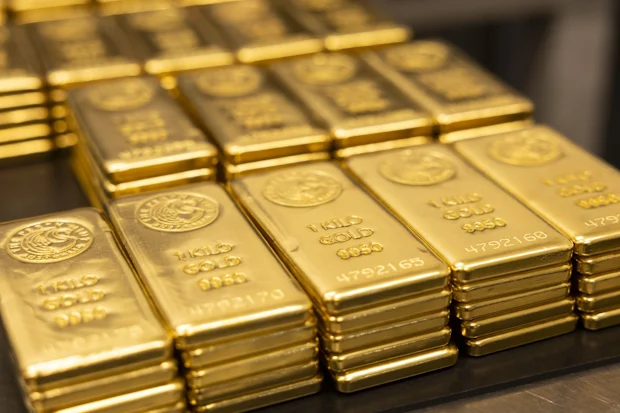
Spot gold climbed 1.5% to $5,213.81 per ounce by 11:03 ET, while gold futures gained 2.4% to $5,223.34 per ounce. The precious metal had already posted modest gains on Monday, although trading was highly volatile throughout the session.
The conflict with Iran increased demand for gold as a safe-haven asset. However, the metal’s upside remained somewhat limited due to concerns that the conflict could fuel inflation. Rising inflation pressures could push major global central banks toward more hawkish monetary policies, which typically weigh on gold prices. Meanwhile, the U.S. dollar, which had strengthened since the beginning of the conflict in late February, weakened against a basket of major currencies.
Trump comments remain in focus
Investor sentiment remained fragile on Tuesday. Oil prices declined while markets continued to monitor developments in the Iran conflict, which has lasted for more than a week. U.S. President Donald Trump suggested that an end to the fighting could be approaching, although uncertainty about the timeline persists.
Trump also mentioned possible measures to reduce supply disruptions caused by the conflict. These measures could include temporarily easing sanctions on certain oil exporters, particularly Russia, in order to stabilize global energy markets.
Despite these remarks, Trump did not outline a clear timeframe for de-escalation and continued to maintain a firm stance toward Tehran. He warned that Iran would face severe consequences if it attempted to block the Strait of Hormuz, a crucial maritime route south of Iran that handles roughly one-fifth of the world’s oil shipments.
Trump stated that the United States could strike strategic targets if Iran attempts to disrupt global energy flows through the strait.
Iran, however, rejected Trump’s claims and reiterated that it may continue to threaten shipping through the Strait of Hormuz if U.S. and Israeli attacks persist.
Analysts at BCA Research believe Iran is unlikely to quickly return to negotiations. According to the firm, Tehran may attempt to prolong the economic impact of the conflict in order to increase pressure on Washington.