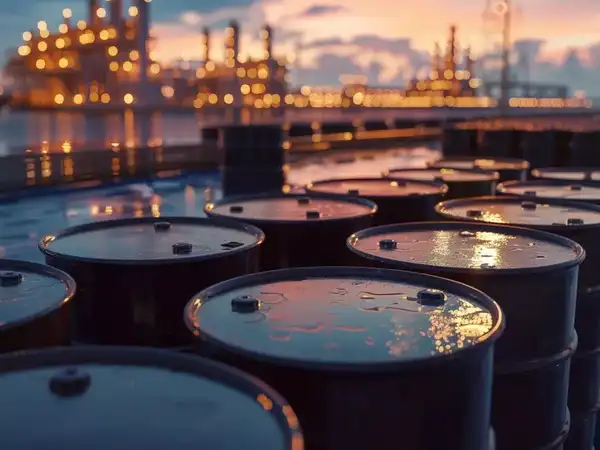
Saudi Arabia has begun cutting oil production, becoming the latest Gulf producer affected by the ongoing U.S.–Israeli conflict with Iran, which has severely disrupted shipping routes in the region. The escalating crisis pushed global crude prices sharply higher on Monday, with oil briefly approaching $119 per barrel, while G7 countries began discussing the possible release of strategic emergency oil reserves.
According to industry sources, Saudi Aramco has started reducing output at two of its oilfields, adding to earlier production cuts by Iraq, Kuwait, Qatar, and the United Arab Emirates. These reductions come as tanker shipments remain blocked and storage facilities across the region continue to fill up. Aramco declined to comment on the situation.
G7 Considers Releasing Strategic Oil Reserves
Amid growing supply disruptions, G7 finance ministers are considering releasing emergency oil reserves to stabilize global markets. A final decision may be taken later this week by the leaders of the group, which includes the United States, Japan, Germany, France, the United Kingdom, Italy, and Canada.
The International Energy Agency (IEA), which coordinates energy policy among industrialized nations, currently holds more than 1.2 billion barrels of public emergency oil reserves, along with approximately 600 million barrels of industry-controlled reserves.
Analysts estimate that the war with Iran has already reduced global oil supply by around 200 million barrels over the past ten days, intensifying fears of a prolonged energy crisis.
Middle East Tensions Increase Market Volatility
Market uncertainty increased further after Iran named hardliner Mojtaba Khamenei as the successor to Supreme Leader Ali Khamenei, reducing hopes for a quick diplomatic resolution to the conflict.
Meanwhile, production cuts have spread across the region. Iraq reportedly reduced output at its major southern oilfields by 70%, lowering production to about 1.3 million barrels per day, while Kuwait Petroleum Corporation declared force majeure and began reducing production over the weekend.
In Bahrain, energy company Bapco Energies also declared force majeure following an attack on its refinery complex.
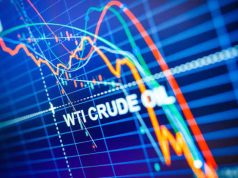
As tensions escalate, oil prices surged to their highest level since 2022, climbing above $119 per barrel before easing slightly later in the day.
Shipping Disruptions in the Strait of Hormuz
Saudi Arabia has started diverting some crude exports through pipelines to the Red Sea as maritime traffic in the Gulf has nearly come to a halt due to Iranian threats targeting ships.
Hundreds of oil tankers are currently stranded inside the Gulf or waiting near the Strait of Hormuz, a critical chokepoint through which a large portion of the world’s oil supply normally flows.
Governments Prepare Emergency Measures
Governments around the world are preparing for potential energy shortages and rising inflation.
U.S. President Donald Trump, who returned to office last year promising lower energy costs, attempted to ease concerns about rising gasoline prices in the United States, which had already increased 11% during the previous week.
Meanwhile, Senate Minority Leader Chuck Schumer urged the administration to release oil from the U.S. Strategic Petroleum Reserve to help stabilize prices.
In Japan, which imports roughly 95% of its oil from the Middle East, authorities have instructed a national reserve facility to prepare for a potential crude release.
Several other countries have also introduced emergency measures to manage energy shortages. South Korea announced fuel price caps for the first time in nearly three decades, while Vietnam eliminated fuel import tariffs. In Bangladesh, universities were temporarily closed to conserve electricity and fuel supplies.
Global Energy Trade Disruptions Spread
China has asked domestic refiners to halt fuel exports and cancel previously scheduled shipments, while Qatar, the world’s second-largest exporter of liquefied natural gas (LNG), has suspended exports.
Even if international naval forces attempt to secure shipping routes, energy officials warn the situation remains dangerous. Qatar’s Energy Minister Saad al-Kaabi told the Financial Times that the Strait of Hormuz would remain “too dangerous” for shipping even with military protection.
In response to the escalating conflict, French President Emmanuel Macron announced that France is deploying about a dozen naval vessels to the Mediterranean, the Red Sea, and potentially the Strait of Hormuz to support allied operations and safeguard maritime security.