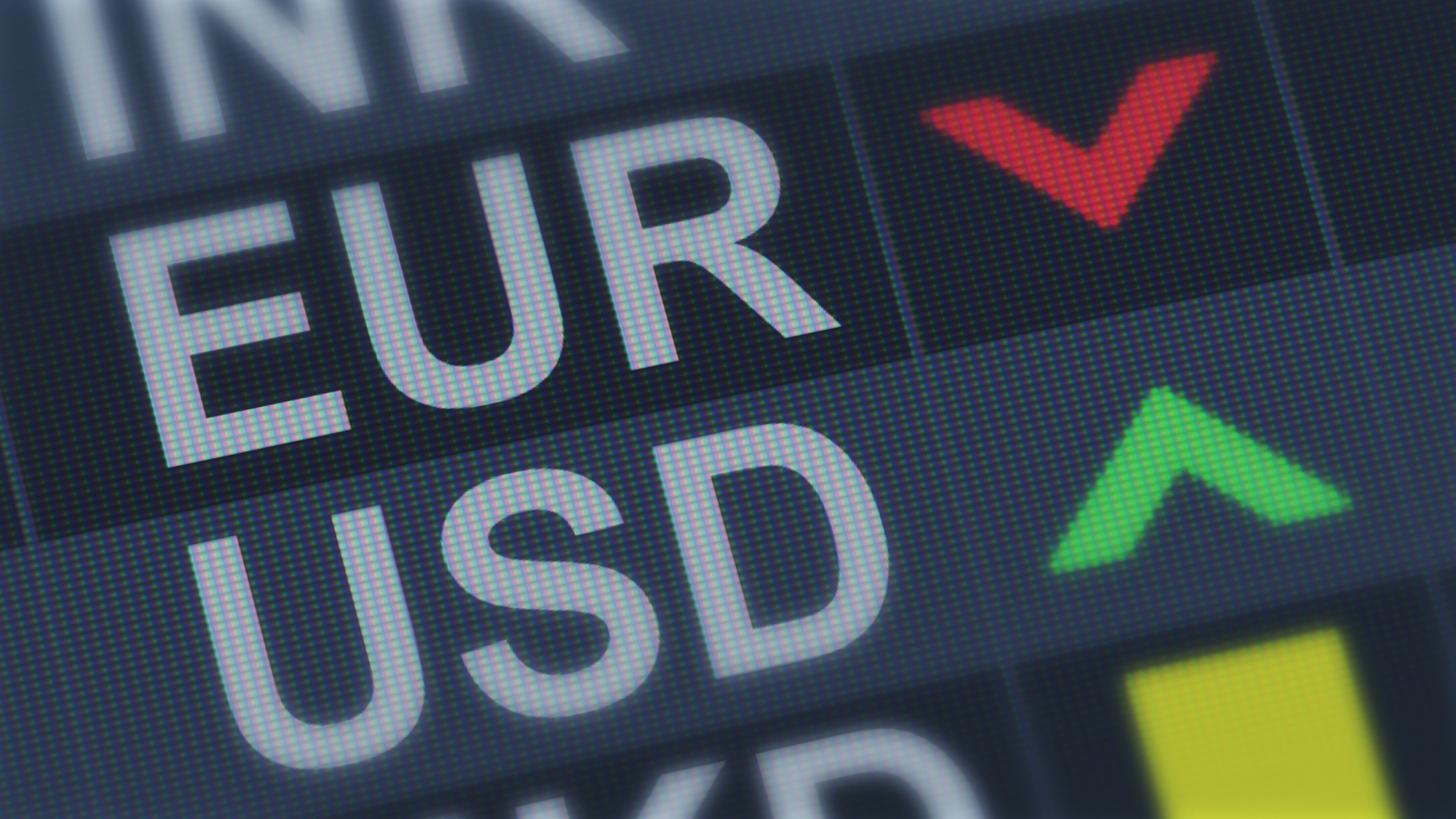
The EUR/USD exchange rate has been moving within a narrow range after climbing toward the important 1.20 level. According to UBS, risks are now evenly balanced around this key threshold, suggesting limited directional conviction in the near term.
At 08:25 ET (13:25 GMT), EUR/USD was trading 0.1% higher at 1.1804. The pair is up 0.5% since the start of the year and has gained nearly 14% over the past 12 months, reflecting the strong rally seen throughout 2026.
In a note dated February 26, UBS analysts said that after reaching their 1.20 forecast target, EUR/USD has largely consolidated. Market attention has shifted toward second-tier currencies such as the Australian dollar (AUD), Norwegian krone (NOK), Brazilian real (BRL), Mexican peso (MXN), and South African rand (ZAR).
Following the substantial appreciation of EUR/USD this year, UBS has revised both the U.S. dollar (USD) and the euro (EUR) to a Neutral stance. However, the bank maintains an Attractive view on currencies including the AUD, NOK, New Zealand dollar (NZD), and Chinese yuan (CNY). Strategists also favor selective long positions in high-yielding currencies compared to low-yielders across both G10 and emerging markets.
UBS noted that EUR/USD has already closed much of its valuation gap after last year’s rise from 1.02 to 1.20. As a result, the bank expects the pair to trade sideways in the near term, with risks evenly distributed around the 1.20 level.
The outlook, however, includes two-sided risks. Despite recent weakness in the U.S. dollar, UBS believes markets may be underestimating the cyclical recovery in the U.S. economy. Stronger economic growth and reduced urgency for Federal Reserve rate cuts could provide renewed support for the dollar.
At the same time, structural challenges continue to weigh on the USD’s longer-term outlook. These include the persistent U.S. twin deficit, large global allocations to dollar-denominated assets, and the transition to new Federal Reserve leadership.
UBS also warned that an unexpected global slowdown could challenge its preference for carry trades. Conversely, a stronger-than-expected U.S. recovery could delay rate cuts, strengthen the dollar, and introduce fresh risks to carry-focused strategies.
Geopolitical uncertainty remains elevated. Ongoing tensions involving Ukraine, Iran, U.S.–Greenland relations, and concerns about Federal Reserve independence continue to create an unpredictable backdrop for foreign exchange markets.
Although FX volatility has increased from last year’s lows, UBS cautioned that unforeseen developments could trigger sharp spikes in market volatility. On the other hand, if geopolitical risks ease, significant currency moves may also occur. For example, a potential Ukraine peace agreement could drive rapid adjustments in European currencies.