Asian currencies traded in a narrow range on Wednesday as Lunar New Year holidays kept activity subdued across the region. With major financial centers such as China and Hong Kong closed, trading volumes remained light and price movements were limited. The New Zealand dollar was the main mover, weakening after the country’s central bank left interest rates unchanged and maintained a dovish policy tone.
The broader U.S. dollar held firm ahead of key economic releases. The US Dollar Index rose 0.1% after modest overnight gains, while US Dollar Index futures were also up 0.1% as of 04:01 GMT. Investors appeared cautious as they awaited fresh signals from upcoming U.S. inflation data.
RBNZ keeps rates unchanged; kiwi under pressure
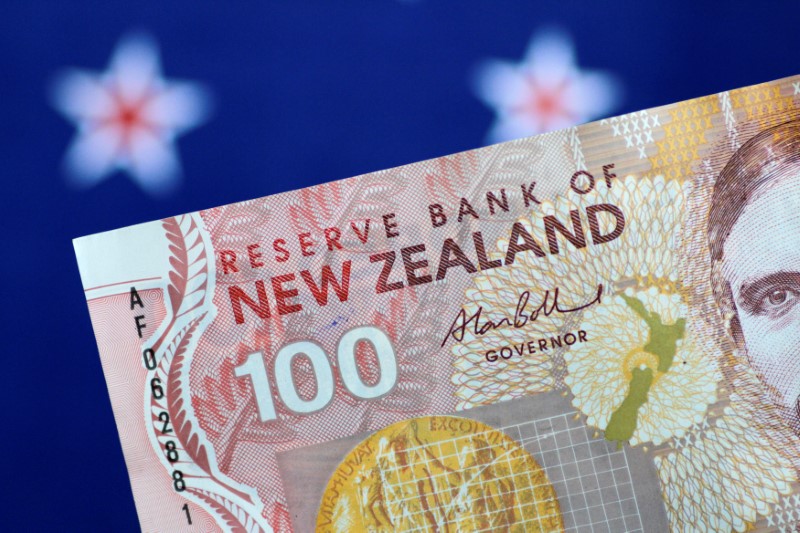
The NZD/USD pair fell nearly 1% after the Reserve Bank of New Zealand (RBNZ) kept its official cash rate steady at 2.25%. Policymakers indicated that monetary conditions would remain supportive as inflation gradually returns to the 2% midpoint target.
The central bank expects price growth to ease over the coming year due to spare economic capacity and moderate wage pressures. As a result, markets scaled back expectations for near-term rate hikes, pushing forecasts for tightening further into late 2026. This shift in rate expectations weighed heavily on the New Zealand dollar.
Analysts at Westpac noted that the RBNZ’s generally dovish tone reduces the likelihood of an earlier start to the tightening cycle. They added that while no further easing is expected during this cycle, the first rate increase is likely to begin from the December 2026 meeting.
Japan trade data beats forecasts; focus turns to Fed
In Japan, January trade data showed exports surged 16.8% year-on-year, exceeding expectations. Imports declined, resulting in a smaller-than-anticipated trade deficit of 1.15 trillion yen. Despite the strong export performance, the USD/JPY pair edged 0.1% higher.
Across the broader region, currencies remained largely range-bound as investors looked ahead to the minutes from the U.S. Federal Reserve’s January meeting, due later Wednesday. Market participants are also watching Friday’s U.S. personal consumption expenditures (PCE) price index for further guidance on the global interest rate outlook.
Elsewhere, the South Korean won traded flat against the dollar, while the Singapore dollar gained 0.1%. The offshore Chinese yuan was little changed, and the Indian rupee posted a marginal rise. Meanwhile, the Australian dollar slipped 0.2% against the greenback.