China CPI Inflation Misses Expectations as Deflation Pressures Persist
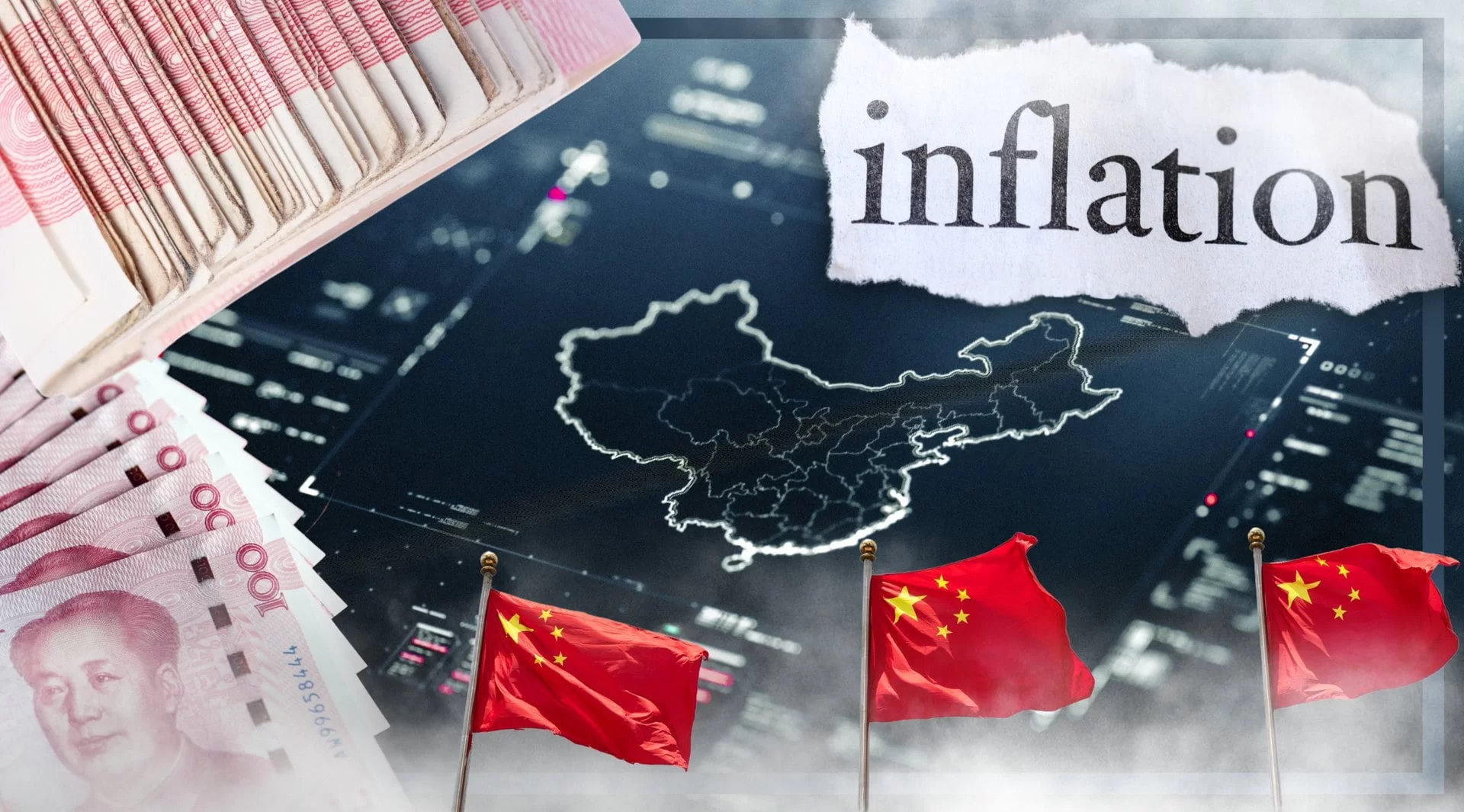
China’s consumer price index (CPI) inflation increased far less than expected in January, highlighting ongoing deflation concerns in the world’s second-largest economy. Seasonal distortions linked to the Lunar New Year also influenced the latest inflation figures, adding volatility to the data.
According to figures released by the National Bureau of Statistics, consumer prices rose just 0.2% year-on-year in January. This was below market expectations of 0.4% and marked a sharp slowdown from December’s 0.8% increase.
On a monthly basis, CPI rose 0.2%, unchanged from the previous month but slightly under the 0.3% forecast. Analysts noted that the timing of the Lunar New Year played a significant role in shaping the inflation trend.
Economists at ING explained that the holiday fell in late January this year, compared with mid-February next year. Typically, households increase food purchases ahead of and during the celebrations, which temporarily lifts food prices. This seasonal boost is expected to reverse in February’s data. ING analysts also anticipate that food inflation in 2026 could be higher compared to 2025.
Meanwhile, China’s producer price index (PPI) fell 1.4% year-on-year in January. Although this decline was slightly smaller than the expected 1.5% drop, it marked the 40th consecutive month of contraction. The persistent weakness in factory-gate prices reflects excess industrial capacity and subdued global demand.
The softer inflation data follow a modest rebound in consumer prices late last year. However, the latest figures suggest that underlying inflation momentum remains fragile, while broader deflationary pressures continue to weigh on the Chinese economy.
Producer price declines have now extended deep into 2026, limiting corporate pricing power and putting pressure on investment and wage growth. The ongoing weakness in price trends is likely to increase expectations for additional fiscal and monetary stimulus from Beijing to support consumption and stabilize economic growth.
Looking ahead, analysts expect China’s inflation target to remain around 2% year-on-year when economic objectives are announced at the Two Sessions in March, unchanged from the previous year’s goal.