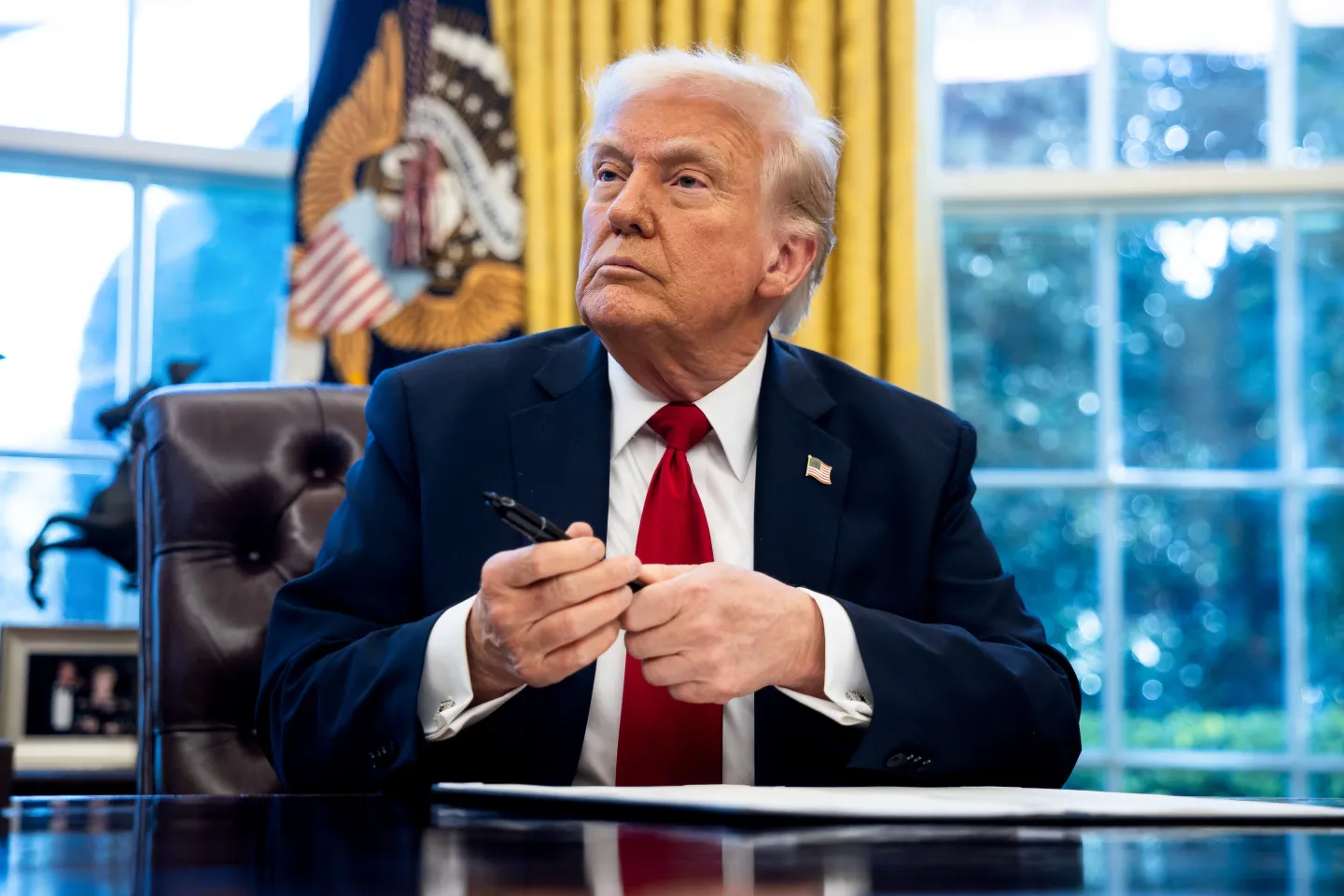
According to the latest Sevens Report, comments and signals from Donald Trump are adding another powerful force to an economy that is already running hot. The firm said Trump’s apparent tolerance—intentional or not—of a weaker U.S. dollar is reinforcing inflationary pressures.
In its recent note, Sevens said Trump effectively pushed the dollar to four-plus-year lows after brushing off concerns about the currency’s decline. That response was interpreted by markets as a green light for further dollar weakness.
The report argues that the administration has already been fueling a hotter economic environment through a combination of tax cuts, calls for lower interest rates, broad deregulation, and policies aimed at attracting foreign investment.
The risk, Sevens warned, is that growing liquidity continues to chase a limited supply of goods and services. This dynamic keeps prices elevated even as economic growth remains resilient.
Why a weaker dollar matters
Sevens outlined three key ways a softer dollar intensifies a run-hot economy.
First, a weaker dollar raises the cost of imports. Because the United States still relies heavily on imported consumer goods, higher import prices can quickly feed into broader inflation.
Second, dollar weakness boosts earnings for multinational corporations by making U.S. exports more competitive abroad. This helps explain recent strength in technology and consumer discretionary stocks.
Third, a declining dollar drives investors toward real assets. Commodities such as gold, silver, and oil tend to rise because they cannot be diluted or devalued in the same way as fiat currencies.
Sevens also cautioned against underestimating the scale of the move. The dollar’s roughly 11% decline over the past year is neither modest nor orderly, according to the firm.
While markets have absorbed the slide so far, Sevens warned that a faster drop into the low-90s range on the dollar index could begin to unsettle investors, further reinforcing the volatile mix of strong growth and stubbornly high prices that defines a run-hot economy.