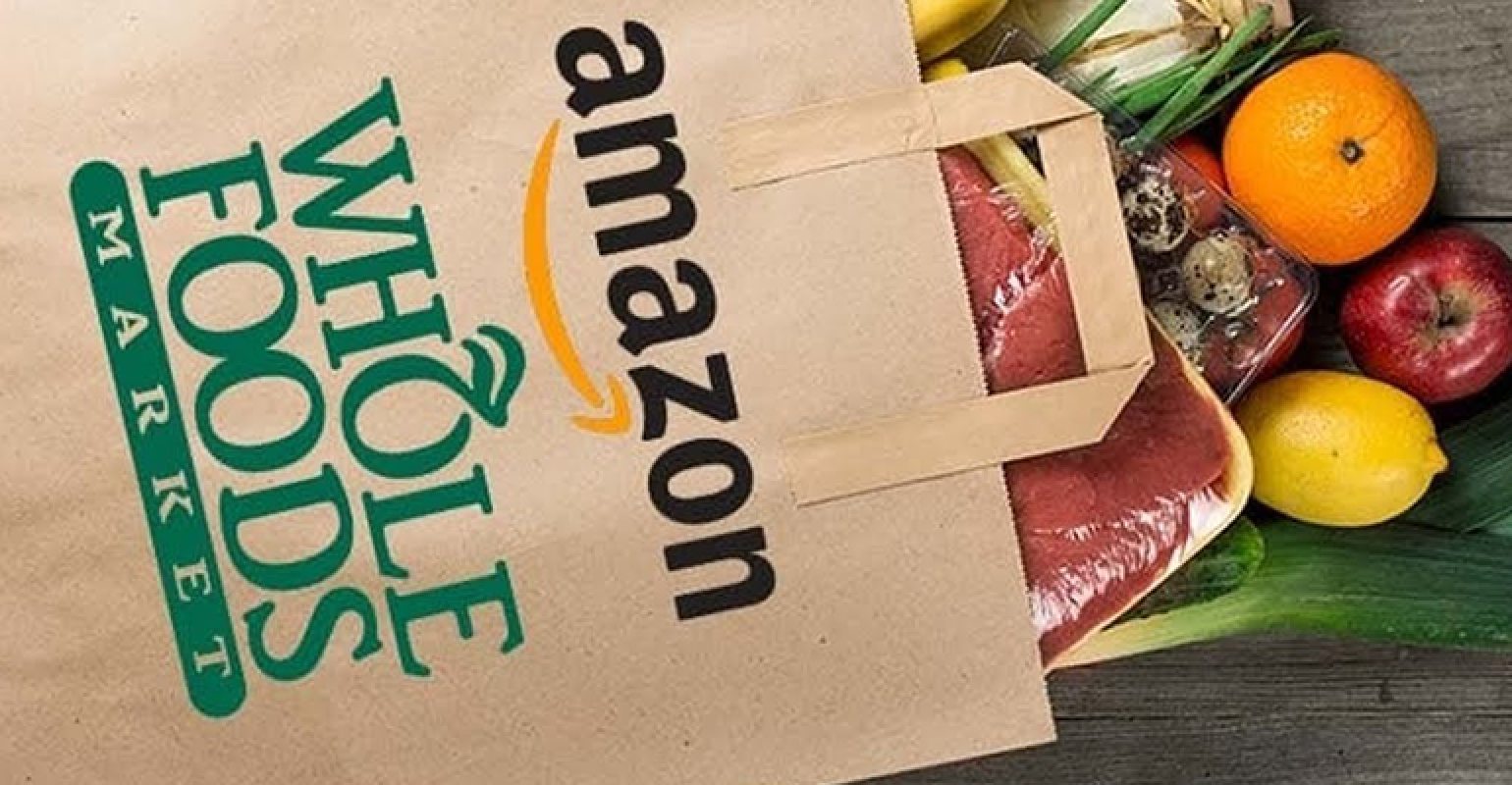
Amazon said on Tuesday it will close its Amazon Go and Amazon Fresh physical stores and convert some of those locations into Whole Foods Market. The move marks the latest step in the company’s effort to strengthen its grocery business and focus on formats with greater growth potential.
The strategy aligns with Amazon’s plan to open more than 100 new Whole Foods stores in the coming years. The company is increasingly relying on the premium grocery chain to compete more effectively with major retailers such as Walmart and Kroger, as well as grocery delivery services like Instacart.
Amazon also announced plans to expand its same-day delivery service to additional U.S. cities this year. The expansion aims to meet rising demand for household essentials on its platform, where more than 150 million customers shop for groceries each year.
While Amazon Fresh stores, known for allowing shoppers to skip traditional checkout lines, will continue to operate online in select areas, the company acknowledged challenges with its physical grocery formats. Amazon said it has yet to create a distinctive in-store experience supported by a sustainable economic model that would justify large-scale expansion.
According to the company, the store closures are intended to prioritize investment in areas with stronger growth prospects. Over the years, Amazon has experimented with several brick-and-mortar concepts beyond Fresh, including bookstores, clothing outlets, and stores featuring only top-rated products from its website.
Amazon Go, launched in 2018, focused on cashier-less convenience shopping and offered prepared meals, snacks, and groceries. The shift in strategy mirrors a similar move in the United Kingdom, where Amazon shut down all Amazon Fresh stores and converted some locations into Whole Foods outlets.
The company has also worked to more closely integrate Whole Foods into its broader operations. Last year, Amazon extended its corporate pay structures and benefits programs to Whole Foods’ corporate employees.
At the same time, Amazon has invested heavily in faster delivery options to meet demand for fresh and perishable goods. It now offers online grocery delivery in more than 5,000 U.S. cities and towns and has begun testing 30-minute delivery services in Seattle and Philadelphia.
Amazon did not disclose how many employees will be affected by the closures but said it is helping impacted workers find other roles within the company.