Most Asian currencies traded within narrow ranges on Tuesday, as markets remained cautious ahead of a closely watched Federal Reserve policy meeting and ongoing global geopolitical uncertainty. The U.S. dollar struggled to find direction, keeping regional foreign exchange markets largely subdued.
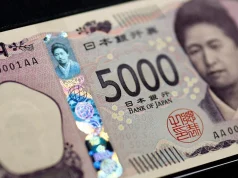
The Japanese yen edged slightly lower after rallying sharply on Monday to its strongest level in almost three months. The earlier gains followed comments from Japanese Prime Minister Sanae Takaichi, who warned that authorities could step in if currency volatility becomes excessive.
Meanwhile, the South Korean won remained broadly stable despite fresh trade tensions. U.S. President Donald Trump announced plans to raise tariffs to 25% on select South Korean imports, citing delays in Seoul’s implementation of a trade agreement with Washington.
Yen steadies as intervention risk remains in focus
The Japanese yen weakened modestly on Tuesday, with the USD/JPY pair rising 0.2% to around 154.50 after a sharp drop in the previous session. Despite the pullback, the currency stayed close to its strongest level in nearly three years.
Speculation around possible government intervention continued to support the yen, especially after Prime Minister Takaichi reiterated concerns about excessive currency swings. These remarks reinforced expectations that authorities could act if the yen weakens too rapidly.
The yen had recently rebounded from multi-month lows after the Bank of Japan adopted a more hawkish tone at its January policy meeting. Still, even after last week’s recovery, the currency remains near levels that have historically triggered intervention.
Concerns over expanding fiscal spending under Takaichi previously fueled a sharp selloff in Japanese government bonds, adding pressure on the yen and increasing market volatility.
Asian currencies rangebound as Fed decision approaches
Across the region, most Asian currencies showed little movement as investors awaited the Fed’s interest rate decision due on Wednesday. The central bank is widely expected to keep rates unchanged amid mixed economic signals from the United States.
Policymakers are likely to remain cautious until clearer data emerges on the health of the world’s largest economy. Uncertainty surrounding U.S. fiscal policy and questions over the Fed’s independence under Trump have further dampened risk appetite.
These factors weighed on the dollar, leaving Asian currencies trading within tight ranges. The dollar index and its futures stabilized during Asian hours after suffering steep losses last week.
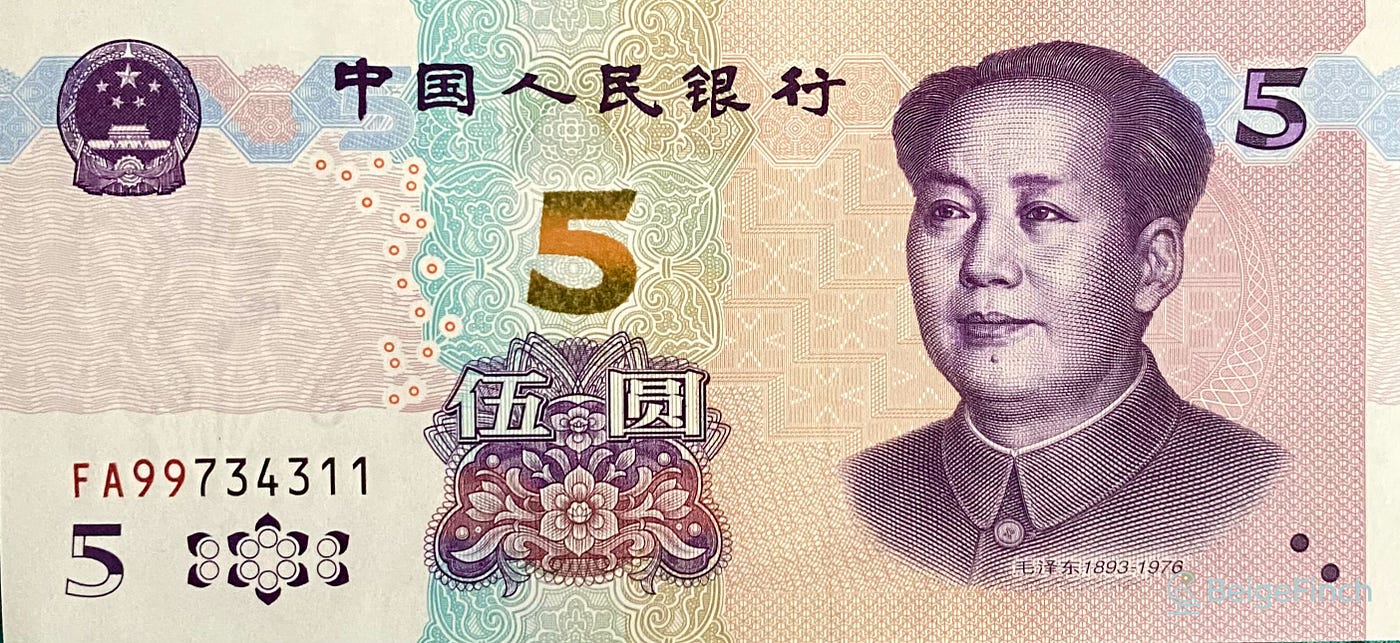
The Chinese yuan inched higher but stayed close to its strongest level in more than two years. The Singapore dollar was largely flat, while the Australian dollar also traded sideways.
The Indian rupee steadied after touching record lows above 91 per dollar last week, with a recent India-Europe trade agreement offering little immediate support. The Taiwan dollar edged up slightly.
South Korean won pressured by tariff uncertainty
The South Korean won weakened marginally, with the USD/KRW pair rising 0.1%, after Trump announced plans to raise tariffs on South Korean automobiles, pharmaceuticals, and lumber to 25%.
Trump criticized Seoul for delays in passing legislation tied to the recent trade deal with the U.S. However, South Korean officials stated they had not received formal notification regarding the tariff increase, and no specific timeline was provided for its implementation.