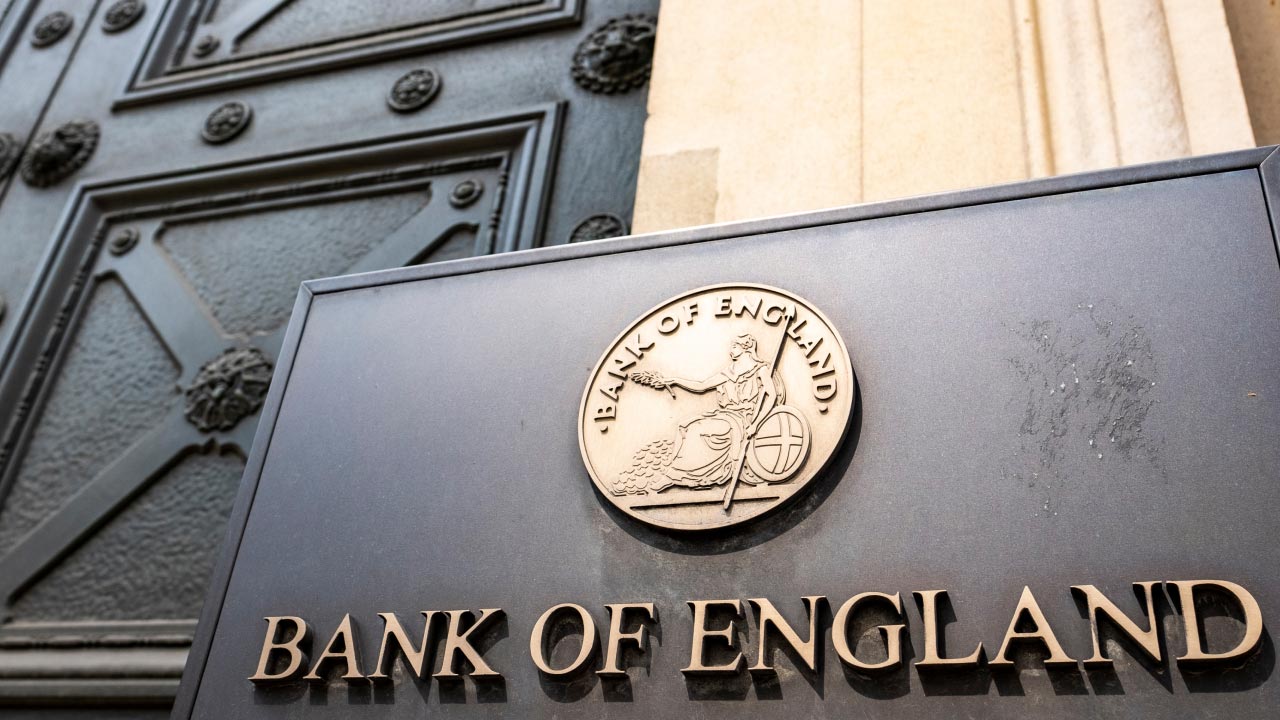
The Bank of England is expected to keep its benchmark interest rate unchanged at 3.75% at its February meeting, according to a Reuters poll in which all but two economists forecast no move. A narrow majority now anticipates a cut to 3.50% in March, following a recent run of stronger-than-expected UK economic data.
Despite signs of improvement in growth, inflation in the UK remains the highest among the Group of Seven economies. The nine-member Monetary Policy Committee has been closely divided in recent meetings, most notably in December, when policymakers voted 5–4 in favour of a 25-basis-point rate cut.
Holding rates steady in February is seen as less contentious, given recent indicators showing the strongest private-sector business activity since April 2024, unexpectedly firm retail sales, and inflation moving further away from the MPC’s 2% target.
Most economists still expect inflation to ease in the coming months, while wage growth is projected to slow as unemployment gradually rises. However, many believe the current data is not yet convincing enough to support another immediate rate cut.
There are also early indications that the UK housing market may be stabilising, as uncertainty linked to the November budget has faded.
In the January 21–26 Reuters survey of 56 economists, all but two predicted the BoE would keep rates unchanged at its February 5 meeting, when it will also publish updated quarterly forecasts. The remaining two respondents expect a rate cut to 3.50%.
Sanjay Raja, chief UK economist at Deutsche Bank, said some MPC members have stressed the need for more evidence before making the next policy move. This suggests the central bank may adopt a wait-and-see approach, potentially delaying any rate change until later in the year.
Around 55% of economists surveyed expect a rate cut by the end of March, while 45% foresee rates staying unchanged throughout the first quarter. In contrast, nearly three-quarters of respondents in December expected at least a 25-basis-point cut during this period.
Beyond the current quarter, there is no clear consensus on the future path of rates. The median forecast points to a final cut to 3.25% in the third quarter, with many economists expecting rates to bottom at or below that level by year-end.
Economic growth and inflation forecasts were largely unchanged from December. The UK economy is projected to expand by 1% this year and 1.4% next year, while inflation is expected to average 2.5% in 2026 before easing to 2.1% in 2027.
Ellie Henderson, economist at Investec, said inflation is likely to fall from January as the impact of last year’s 20% VAT on private school fees drops out of annual comparisons. She also expects smaller increases in water bills from April and signs of cooling in the labour market to help reduce services inflation.
Meanwhile, MPC member Megan Greene said she remains concerned about the scale of planned wage increases this year and the potential challenge they pose to returning inflation to the 2% target.