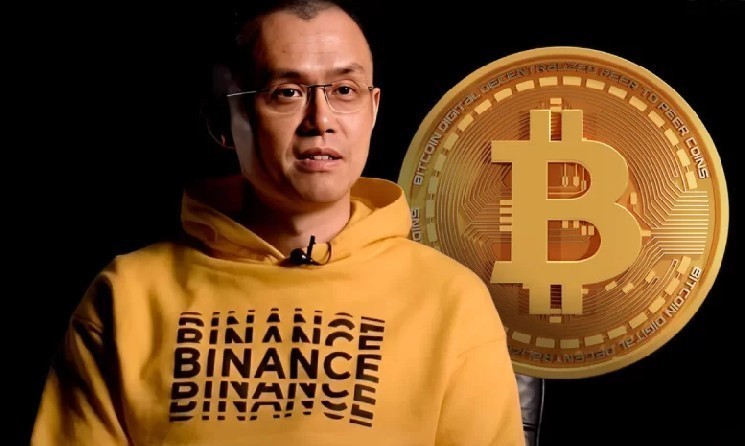
Changpeng Zhao, the co-founder of Binance, has said he has no intention of returning to the exchange, even though a presidential pardon would legally allow him to do so.
Speaking on Squawk Box on Sunday, Zhao said his understanding is that the pardon removed all previous restrictions on his involvement. Despite that, he firmly rejected the idea of rejoining Binance in any leadership role.
Zhao said stepping away after seven years at the helm ultimately felt like the right decision. While the transition was difficult at the time, he now believes returning would not be beneficial, either for himself or for the company.
He added that Binance should be allowed to move forward under new leadership, giving space for other executives to grow and lead independently.
Legal background and pardon
In November 2023, Zhao pleaded guilty to failing to maintain an effective anti–money laundering program at Binance. He was later sentenced to four months in prison and barred from working at the exchange.
In October, Donald Trump issued a pardon that cleared Zhao of those restrictions. The move drew scrutiny from some U.S. lawmakers due to Binance’s perceived links to Trump-associated crypto initiatives, though Trump said he was unfamiliar with Zhao.
“No need for a backseat driver”
Zhao said Binance has continued to perform strongly since his departure, noting that the company is now run by “two capable CEOs” and has seen continued growth in users and market share.
In an open letter published in December, Binance leadership, including CEO Richard Teng and long-time executive Yi He, said the platform’s user base had surpassed 300 million. They also reported total annual trading volume of $34 trillion.
Zhao emphasized that while he remains a shareholder, his role is now passive. Any advice he offers is informal and typically shared publicly rather than through direct involvement in company decisions.
Bitcoin supercycle possible in 2026
Despite a recent downturn in crypto prices and sentiment, Zhao said he believes Bitcoin could enter a major supercycle within the next 12 months, potentially in 2026.
A supercycle refers to an extended period of strong growth driven by structural shifts and long-term fundamentals, according to CoinMarketCap.
Zhao noted that Bitcoin has historically followed a four-year cycle marked by new highs and subsequent pullbacks. However, he suggested that increasing pro-crypto policies in the United States, followed by other countries, could disrupt that pattern.
He added that the changing regulatory and institutional landscape may be strong enough to break Bitcoin’s traditional four-year cycle and support a longer-term expansion phase.