A senior Republican lawmaker has scheduled a committee vote on Wednesday for legislation that would give Congress greater authority over artificial intelligence chip exports, despite opposition from White House AI adviser David Sacks and other administration figures.
The bill was introduced in December by Brian Mast, chair of the House Foreign Affairs Committee, following President Donald Trump’s approval of shipments of Nvidia’s advanced H200 AI chips to China. The proposal is titled the AI Overwatch Act.
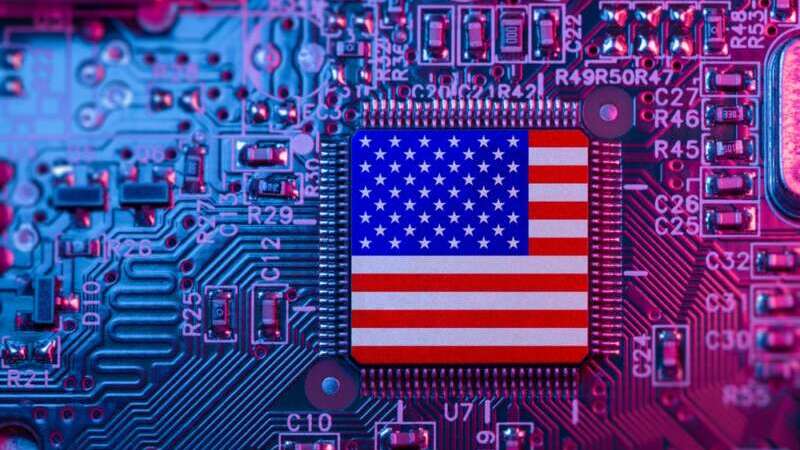
Under the legislation, the House Foreign Affairs Committee and the Senate Banking Committee would be granted a 30-day review window to examine and potentially block export licenses for high-end AI chips destined for China or other U.S. adversaries.
According to one source, the bill’s chances of advancing improved after a coordinated media campaign last week that criticized the proposal. Mast said the measure is designed to ensure that “America’s most advanced AI chips are not used by the Chinese military,” remarks he made during a recent hearing titled Winning the AI Arms Race against the Chinese Communist Party.
The White House and Sacks declined to comment on the legislation. However, Sacks recently amplified criticism on X by reposting a claim from the account “Wall Street Mav,” which alleged the bill was being driven by anti-Trump figures and former aides to Presidents Barack Obama and Joe Biden to weaken Trump’s authority and his America First agenda. Sacks responded simply: “Correct.”
The post also pointed to Dario Amodei, CEO of Anthropic, alleging his firm had hired former Biden staffers to advocate on the issue. Anthropic declined to comment, but Amodei has repeatedly warned against exporting advanced AI chips to China.
Speaking Tuesday at the World Economic Forum in Davos, Switzerland, Amodei said allowing such exports would be a serious mistake, comparing the move to selling nuclear weapons to North Korea.
The proposal has also drawn criticism from conservative voices, including activist Laura Loomer, who described the bill as “pro-China sabotage disguised as oversight.”
Mast pushed back forcefully, arguing that Trump was right to block ASML from selling its most advanced chipmaking tools to China and to restrict Nvidia’s Blackwell chips. “You can advise selling H200 chips to China if you want,” Mast wrote in response to Sacks’ remarks. “I advise the opposite.”
Neither Nvidia nor the U.S. Department of Commerce, which oversees export controls, responded to requests for comment.
If approved by the committee, the bill would still need to pass both chambers of Congress before being signed into law by the president.