China’s economy expanded slightly faster than expected in the fourth quarter of 2025, official data released Monday showed, as government stimulus measures and a modest recovery in consumption helped the country meet its annual growth goal.
Gross domestic product rose 1.2% quarter on quarter in the three months to the end of December, beating expectations of 1.1%. On an annual basis, GDP increased 4.5%, matching forecasts but slowing from the 4.8% pace recorded in the previous quarter.
The fourth-quarter performance brought China’s full-year growth for 2025 to 5%, allowing Beijing to narrowly meet its official target. The government had set a 5% growth goal for the third consecutive year, as the economy continued to struggle with a subdued post-pandemic recovery and elevated trade tensions with the United States.
Analysts at Capital Economics cautioned that the headline GDP figures may overstate the true strength of the economy. They estimate that underlying growth during the rest of 2025 was closer to 3.0%–3.5%, noting that outside of exports, many areas of the economy remained under pressure.
The firm also warned that economic growth in 2026 is likely to be slightly weaker than in 2025, arguing that limited monetary easing by Beijing would provide only modest support. While investment linked to artificial intelligence is expected to pick up, analysts said exports are unlikely to offer the same level of growth support going forward.
Monday’s data highlighted the ongoing impact of Beijing’s stimulus efforts, which helped offset headwinds from the trade dispute with the United States. China remains subject to tariffs of around 50% on some exports to the U.S., with Washington recently threatening further increases over China’s continued purchases of Russian oil.
Manufacturing and exports continued to play a central role in supporting growth during the fourth quarter. While U.S.-related pressures persisted, strong demand from Europe and other Asian economies helped cushion the impact.
Beijing also rolled out a range of subsidies and policy measures over the past year aimed at boosting household spending, which provided additional support to growth. However, signs emerged that this momentum weakened toward the end of the year. Retail sales rose just 0.9% year on year in December, missing expectations of 1.1% and slowing from November’s 1.3% increase.
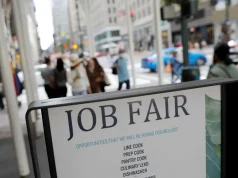
Industrial activity remained relatively strong, with factory output rising 5.2% year on year in December, broadly in line with forecasts. The unemployment rate held steady at 5.1%, slightly better than expectations of 5.2%.
In contrast, fixed asset investment — a key measure of capital spending — fell 3.8%, a steeper decline than the expected 3.1%. The contraction marked the fourth straight month of decline, underscoring persistent weakness in business confidence.