Global investors are confronting a renewed wave of geopolitical risk following the U.S. capture of Venezuelan President Nicolas Maduro. However, early market reactions have been relatively calm, with oil prices volatile, gold benefiting from safe-haven inflows, and broader risk assets showing resilience.
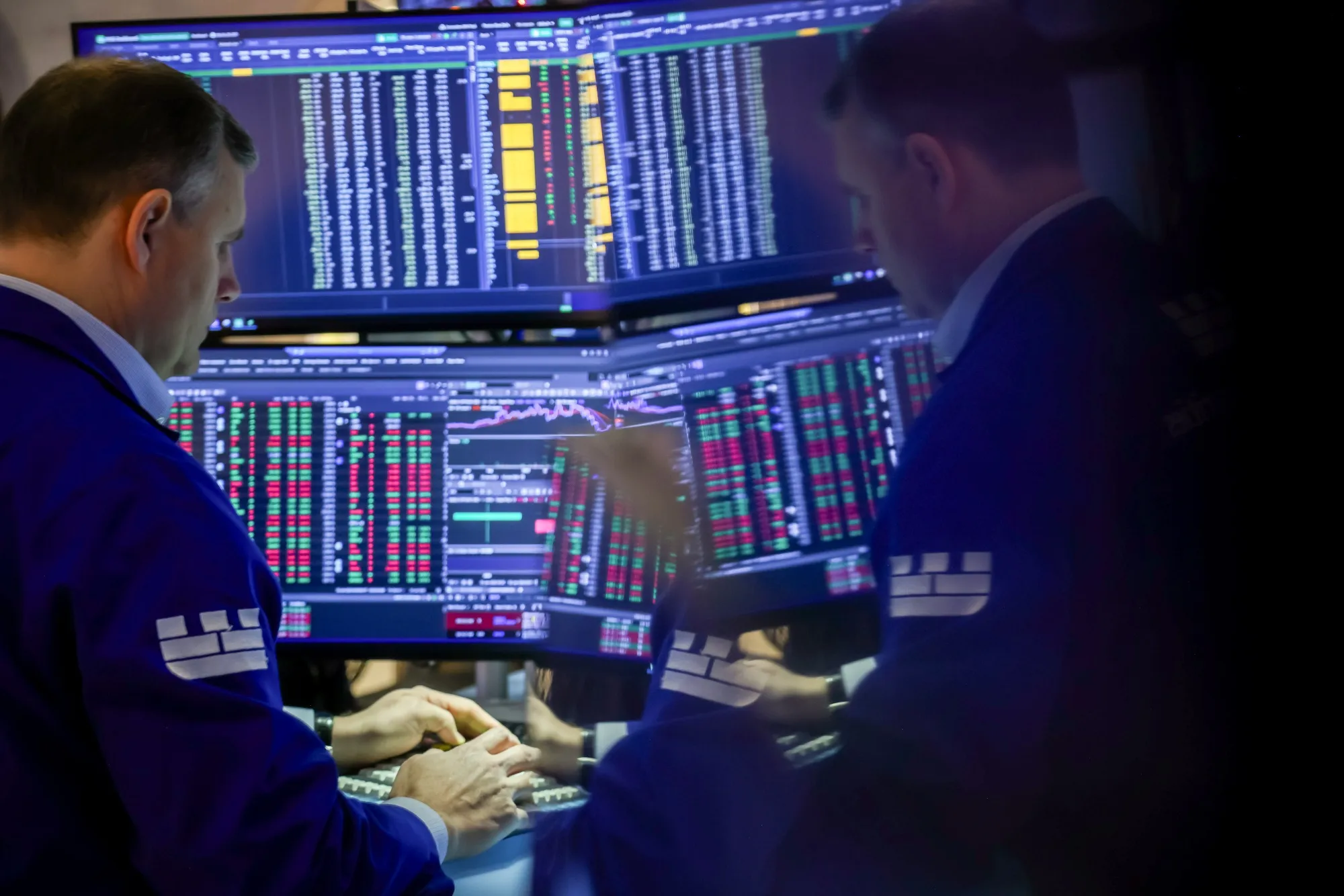
Equity markets edged higher, supported by gains in the technology and defense sectors, while the U.S. dollar strengthened at the start of the week. Analysts largely agree that, for now, the market response reflects caution rather than panic.
Analysts weigh limited near-term impact
David Chao, global market strategist for Asia-Pacific at Invesco, said the developments are unlikely to have a major short-term impact on global macro conditions. He noted that Venezuela plays a relatively small role in today’s energy markets, which explains the muted reaction in oil prices, U.S. equity futures, and other major assets. Chao added that persistent geopolitical uncertainty should continue to support demand for precious metals amid elevated volatility.
From an emerging markets perspective, Gary Tan, portfolio manager at Allspring Global Investments, said the most immediate effects may be seen in credit markets. He expects some narrowing in credit spreads, particularly among lower-rated sovereigns, as geopolitical risk premiums stabilize. Tan also said the Venezuela situation is unlikely to materially alter China–Taiwan dynamics, with Asian policymakers viewing U.S. actions as region-specific.
Asia exposure seen as limited
Rong Ren Goh, portfolio manager at Eastspring Investments, described Venezuela primarily as a headline risk for Asia-based investors. He said direct exposure in the region is limited, meaning the main impact comes through shifts in market sentiment and, to a lesser extent, longer-term implications for oil prices. Goh added that while fixed income markets have benefited from a stable, carry-friendly environment, events like this highlight the potential for sudden shocks.
Charu Chanana, chief investment strategist at Saxo, said geopolitics has become a persistent feature of the investment landscape. Unless supply chains are directly threatened, she noted, investors tend to look past the initial shock and refocus on interest rates, earnings, and positioning. For now, she views the situation as more of a geopolitical event than an oil-market shock.
Broader regional risks still under review
Vishnu Varathan, head of macro research for Asia ex-Japan at Mizuho, said the episode serves as a reminder that geopolitical risks extend beyond trade tariffs or import numbers. He noted that Venezuela’s heavy reliance on oil exports and the impact of sanctions limit broader spillovers through trade and investment channels. The bigger question, he said, is whether stability across Latin America could be affected over time.
Kyle Rodda, senior market analyst at Capital.com, said the short-term implications appear contained and largely focused on energy markets. He pointed out that precious metals have reacted more strongly, reflecting investor interest in diversifying away from dollar and fiat assets, while markets otherwise remain forward-looking.
Oil supply and policy uncertainty
Tai Hui, chief market strategist for Asia-Pacific at J.P. Morgan Asset Management, said the limited market reaction reflects Venezuela’s small share of global oil production and years of underinvestment that constrain any near-term supply increase. He added that uncertainty remains over how a new political arrangement would function, especially after U.S. President Donald Trump said Washington would oversee Venezuela in the short term.
Vasu Menon, managing director for investment strategy at OCBC, said restoring Venezuela’s oil sector would require significant time and capital investment, even with U.S. industry support. While short-term supply disruptions could lift oil prices modestly, he believes the overall impact will be limited given Venezuela’s current production levels and the role of OPEC in stabilizing markets.