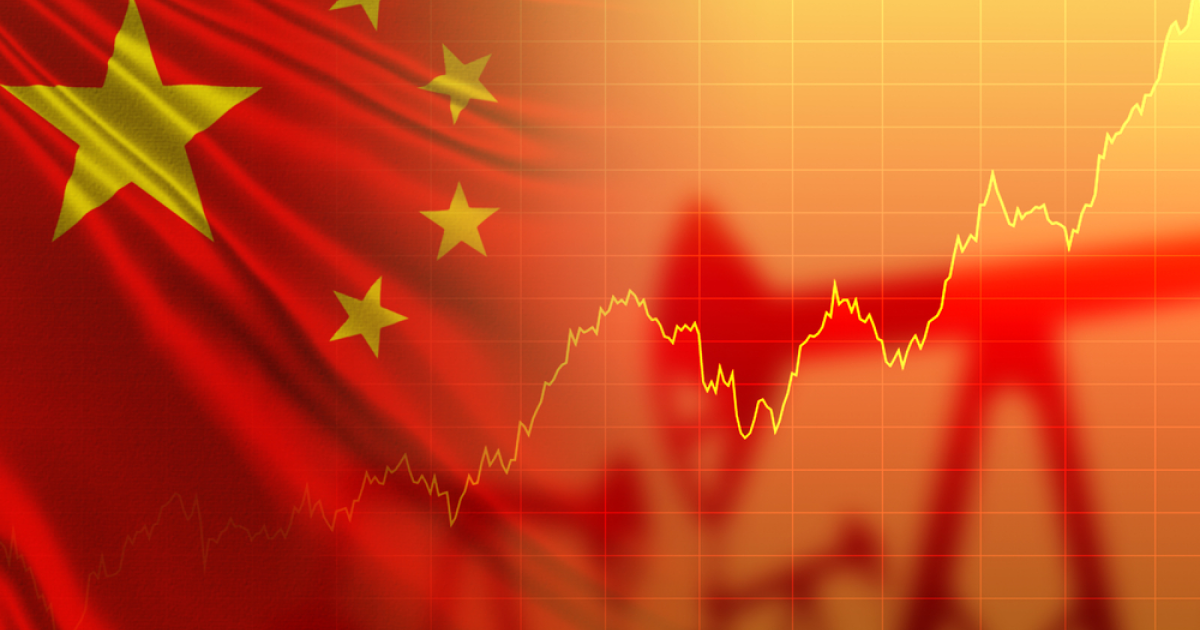
China’s economy expanded by an estimated 2.5% to 3% in 2025, according to analysis from the Rhodium Group. This pace is roughly half the growth rate suggested by official figures and was largely driven by a sharp downturn in fixed-asset investment during the second half of the year in the world’s $19 trillion economy.
Chinese policymakers are expected to declare that the country achieved its full-year growth target of “around 5%” when senior leaders meet in March for the annual parliamentary session and outline the next five-year economic plan. Officials are likely to highlight strong export performance despite an ongoing tariff dispute with the United States, even as domestic demand remains weak.
However, the Rhodium Group estimates that nearly $500 billion in demand is missing from the official growth narrative, based on inconsistencies in underlying investment data.
China’s National Bureau of Statistics did not immediately respond to requests for comment on the findings.
If the estimates are accurate, the gap could complicate Beijing’s ability to assess how urgently it must respond to prevent a deeper slowdown in the world’s second-largest economy. It may also weaken China’s negotiating position in trade discussions with U.S. President Donald Trump, as the prolonged tariff conflict continues to disrupt global supply chains.
Looking ahead, the Rhodium Group projects that China’s economic growth could slow further to between 1% and 2.5% in 2026, well below the 4.5% forecast issued by the International Monetary Fund.
The report argues that China’s 2025 growth outcome hinges on whether investment merely weakened or experienced a full-scale collapse in the second half of the year. While official data shows a sharp decline in fixed-asset investment, capital formation appears to have still contributed positively to GDP, creating a contradiction in the numbers.
The think tank also highlighted China’s prolonged deflationary environment, noting that there are no historical examples of economies sustaining 5% real GDP growth while enduring persistent deflation. China has now experienced deflation for ten consecutive quarters.
Fixed-asset investment began 2025 on a strong footing, rising 4.2% year-on-year in the first quarter. However, momentum faded quickly, turning negative by June and plunging as much as 12.2% by October.
Although officials reported that gross capital formation added 0.9 percentage points to growth in the third quarter, the Rhodium Group questioned whether falling land sales and reduced purchases of second-hand equipment were fully reflected in the data.
Official figures show fixed-asset investment declined 2.6% between January and November, driven primarily by a 15.9% drop in property investment.
“The overestimation of China’s economic performance has persisted for too long and consistently in the same direction,” the report concluded.