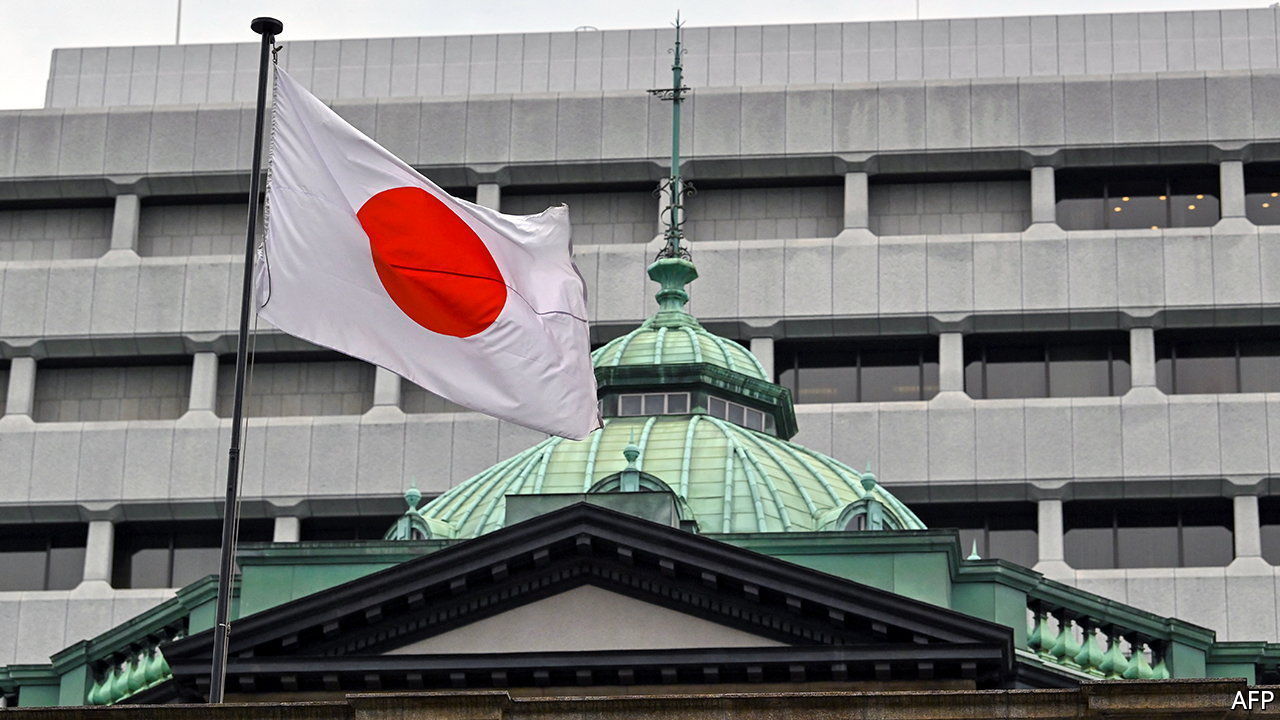
Japanese officials warned on Monday that they are prepared to take “appropriate action” against excessive movements in the foreign exchange market, raising fresh speculation about possible currency intervention after renewed weakness in the yen.
Japan’s top currency diplomat, Atsushi Mimura, said recent moves in the foreign exchange market had been “one-sided and sharp,” adding that authorities were closely watching developments and stood ready to respond if volatility became excessive.
Echoing those concerns, Chief Cabinet Secretary Minoru Kihara warned that the yen’s continued weakness was undesirable. He stressed that exchange rates should move in a stable manner and reflect underlying economic fundamentals. Kihara also said the government would act against excessive and speculative currency movements if necessary.
The comments followed similar remarks late last week from Finance Minister Satsuki Katayama, who said Tokyo would respond appropriately to sharp and speculative yen moves. Officials have grown increasingly concerned that a weaker yen is driving up import costs and adding pressure to household living expenses.
The warnings come after the Bank of Japan raised interest rates on Friday to 0.75% from 0.5%, the highest level in around three decades. The move narrowed the interest rate gap with the U.S. Federal Reserve, but markets focused instead on comments from BOJ Governor Kazuo Ueda, who offered limited guidance on the timing and pace of further rate hikes.
As a result, the U.S. dollar climbed to as high as 157.67 yen on Friday, marking a four-week peak against the Japanese currency.
Kihara said the government would continue to closely monitor the impact of higher interest rates while coordinating with the central bank. Meanwhile, Japanese government bonds extended losses on Monday following the BOJ’s rate hike. The two-year JGB yield, which is particularly sensitive to monetary policy, rose to a record high, while the 10-year yield reached its highest level in 26 years.