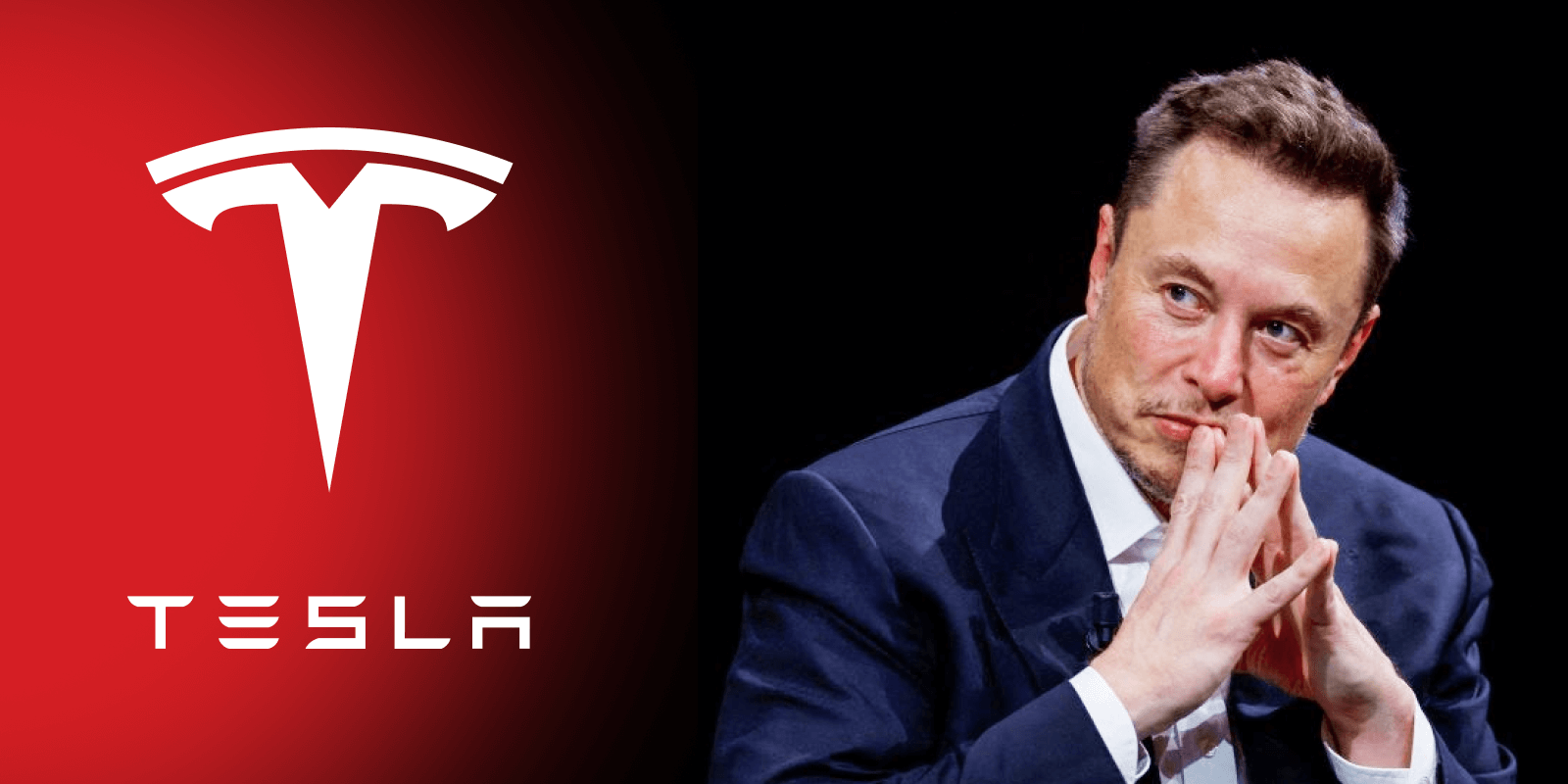
Elon Musk’s landmark 2018 compensation package at Tesla has been reinstated after the Delaware Supreme Court overturned a lower court ruling that had voided the deal nearly two years ago. The pay package, which was once valued at $56 billion, is now worth roughly $139 billion based on Tesla’s latest share price.
The decision reverses a 2024 ruling that had labeled the compensation plan “unfathomable” and ordered its cancellation. That earlier judgment sparked strong backlash from Musk and raised concerns about Delaware’s reputation as a business-friendly legal jurisdiction.
In its 49-page opinion, the Supreme Court said the rescission of the 2018 package was improper and unfair to Musk. The court noted that completely voiding the deal left Musk without compensation for six years of work and leadership.
The ruling strengthens Musk’s influence over Tesla, which he has repeatedly said matters more to him than pay. Although shareholders recently approved a new compensation plan that could be worth as much as $878 billion if Tesla meets aggressive performance targets, the restored 2018 package gives Musk faster control through stock options.
Based on Friday’s closing price, the reinstated pay deal is valued at approximately $139 billion. If Musk exercises all of the options granted under the 2018 plan, his ownership stake in Tesla would increase from about 12.4% to roughly 18.1%, assuming an expanded share base. Tesla is issuing additional shares linked to the newer compensation package, though Musk must still earn those through performance milestones.
Tesla shares rose less than 1% in after-hours trading following the court’s decision. The company did not immediately comment, while Musk posted on X that he had been “vindicated.”
Gene Munster of Deepwater Asset Management said the ruling represents a strategic victory for Musk, as it accelerates his ability to consolidate control over the company.
Attorneys who challenged the pay package said they were reviewing their options and defended their role in holding Tesla’s board and its largest shareholder accountable for what they described as governance failures.
Until shareholders approved the new compensation plan in November, Musk’s 2018 package stood as the largest executive pay deal in corporate history. Had Tesla lost the appeal, the company could have faced a $26 billion earnings impact over two years to reflect replacement stock compensation promised to Musk at today’s higher share prices.
The original deal granted Musk the right to acquire about 304 million Tesla shares at deeply discounted prices once specific operational and market-value targets were met. Those options represent roughly 9% of Tesla’s outstanding stock. Musk never exercised the options after the plan was approved, as the compensation was quickly challenged in court by a shareholder who owned just nine Tesla shares.
Delaware debate and corporate governance fallout
In 2024, following a five-day trial, Delaware Judge Kathaleen McCormick ruled that Tesla’s directors were conflicted and that shareholders were not fully informed when they approved the 2018 plan. She ordered the compensation rescinded, fueling Musk’s criticism of Delaware courts as hostile to founders.
Musk publicly urged companies to reincorporate outside Delaware, a move followed by firms such as Dropbox, Roblox, Trade Desk, and Coinbase. Despite those departures, Delaware remains the most common legal home for U.S. public companies.
Tesla’s board had warned that Musk—who also leads SpaceX and artificial intelligence firm xAI—could step away from Tesla if he did not receive the compensation and voting power he sought.
Some governance experts believe the Supreme Court was reluctant to override a deal that shareholders overwhelmingly supported. Brian Dunn of Cornell University’s Institute for Compensation Studies said courts may be cautious about intervening in decisions made directly by shareholders.
After approving the new pay plan in November, Tesla also took steps to limit future shareholder lawsuits. The company is now incorporated in Texas, where corporate law requires investors to own at least 3% of outstanding shares before bringing certain legal claims. That threshold would represent a stake worth around $30 billion, an amount currently held only by Musk.