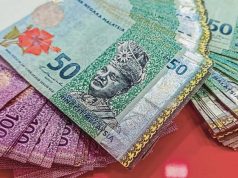
The U.S. dollar strengthened on Monday in volatile trading as markets prepared for a busy week of central bank decisions. The Federal Reserve headlines the list, with a rate cut widely expected. However, investors are focusing on whether the Fed will signal a slower and more cautious easing cycle than previously anticipated.
In contrast, the Japanese yen weakened sharply after a powerful 7.6-magnitude earthquake struck northeastern Japan late Monday. The quake triggered tsunami warnings and evacuation orders, adding further pressure on the currency.
Alongside the Fed’s announcement on Wednesday, central banks in Australia, Brazil, Canada and Switzerland will also meet this week. None of these institutions are expected to change policy, leaving the Fed as the key driver of market sentiment.
Analysts anticipate what they call a “hawkish cut,” meaning the Fed will lower rates but pair the move with guidance that sets a high bar for further reductions. The Federal Open Market Committee is expected to cut the benchmark rate by 25 basis points to a range of 3.50%–3.75%, marking its third consecutive reduction.
Such messaging could support the dollar if it prompts markets to scale back expectations for more rate cuts next year. The situation is complicated by internal divisions among policymakers, with several members already hinting at their preferred stance.
Marc Chandler of Bannockburn Global Forex noted that markets appear cautious, describing the tone as “consolidative.” He added that while the Fed will cut rates this week, the upcoming change in Fed leadership next May creates uncertainty within the committee.
The dollar index rose 0.2% to 99.18, while the greenback gained 0.4% against the Swiss franc to 0.8080.
Analysts also expect a high risk of dissent at this week’s Fed meeting. According to BNY’s Bob Savage, disagreement could come from both hawkish and dovish members. The committee has not seen three or more dissents since 2019.
Despite the dollar’s recent three-week decline, bullish sentiment is returning. Futures positioning shows speculators holding their largest long-dollar positions since before President Donald Trump’s “Liberation Day” tariffs rattled markets.
Although the labor market is cooling, economic growth remains steady. Analysts say the government’s fiscal stimulus and persistent inflation could discourage the Fed from pursuing deeper cuts if stronger labor conditions emerge.
The yen continued its decline following the earthquake, with the dollar rising 0.4% to 155.97 yen. Some analysts suggest the Bank of Japan may delay a planned rate hike next week depending on the damage assessment. The BOJ’s next policy decision is scheduled for December 18–19, 2025.
In Europe, the euro dipped 0.1% to $1.1626, though earlier gains were supported by higher euro zone bond yields. German 30-year yields reached their highest level since 2011. Unlike the Fed, the European Central Bank is not expected to cut rates next year; in fact, policymaker Isabel Schnabel said the ECB’s next move could even be a hike.
The Australian dollar briefly touched its highest level since September before retreating to $0.6619. The Reserve Bank of Australia meets Tuesday, with markets expecting the next rate increase potentially as early as May.
The Canadian dollar held steady at C$1.3827 after reaching a 10-week high on strong jobs data. Analysts expect the Bank of Canada to leave rates unchanged this week and foresee a hike by late 2026.
Meanwhile, the British pound traded around $1.3309, down 0.2% on the day.