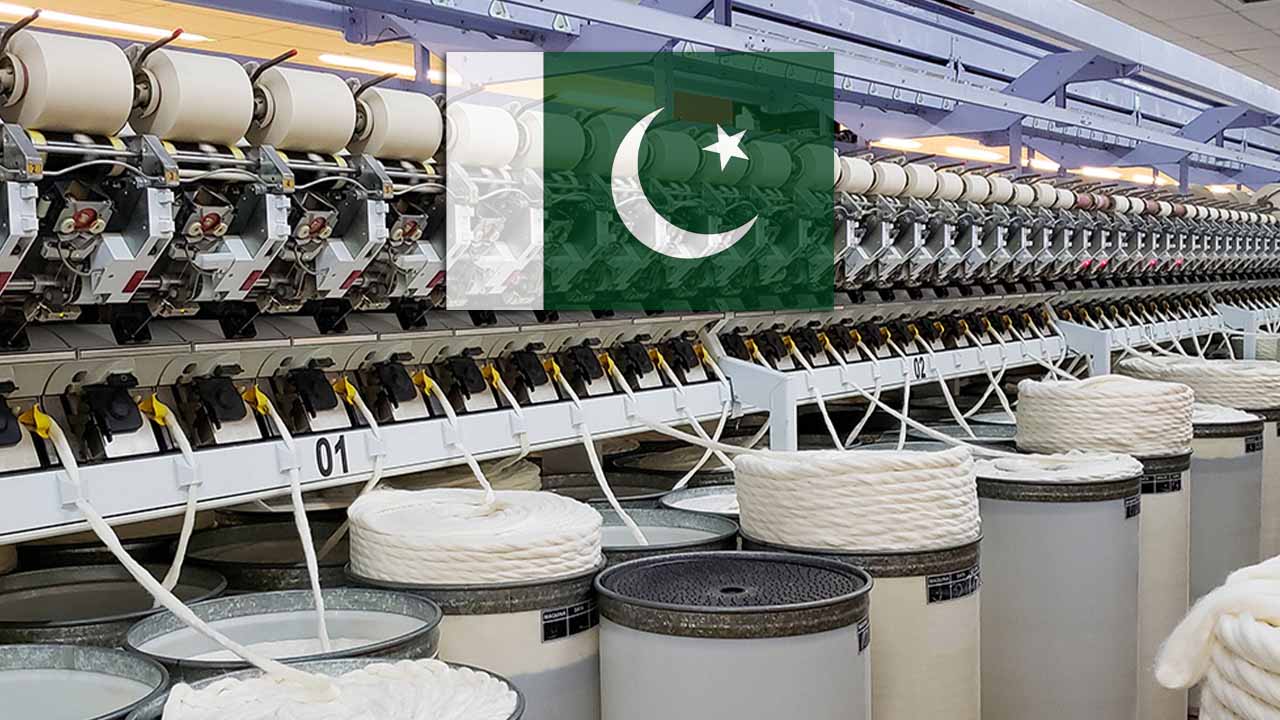
Pakistan’s manufacturing sector strengthened in November, recording its first expansion in three months. The latest HBL Pakistan Manufacturing PMI, compiled by S&P Global, showed a clear improvement in overall operating conditions.
The seasonally adjusted PMI increased to 52.3 in November from 49.6 in October. This reading signals moderate growth and marks the strongest improvement since March.
New orders rose for the first time in seven months and grew at a solid pace. Manufacturers said stronger customer confidence and better product quality helped boost demand. This rise in orders supported the fastest output expansion since January.
According to the report, many firms noted that improved customer confidence and enhanced product quality were key drivers of higher sales.
Domestic demand improved, but export orders fell for the fifth month in a row. Surveyed firms blamed higher taxes, inflation, and power supply issues for their reduced ability to serve international markets.
Better business conditions encouraged manufacturers to increase staffing for the first time in six months. Purchasing activity also grew for the first time in seven months as companies secured materials ahead of potential price increases.
Input costs climbed at the quickest pace since February. Businesses reported higher fuel costs, raw material prices, and increased taxation. Even with these pressures, firms slowed the pace of price increases for finished goods. Output charge inflation fell to a six-month low as companies absorbed part of the rising costs.
Inventories of both raw materials and finished products increased as firms prepared for future sales. Supplier performance also showed the smallest deterioration since the index began in May 2024.
Looking forward, manufacturers remained optimistic about future production. They highlighted plans for business expansion and new product launches. However, optimism was capped by ongoing concerns about inflation.
Humaira Qamar of HBL said that with inflation expectations still high, worries about a widening trade deficit, and the delayed effects of earlier policy moves, the central bank is likely to maintain its current stance at the December meeting.