China Reclaims Top Spot as Germany’s Biggest Trading Partner in 2025
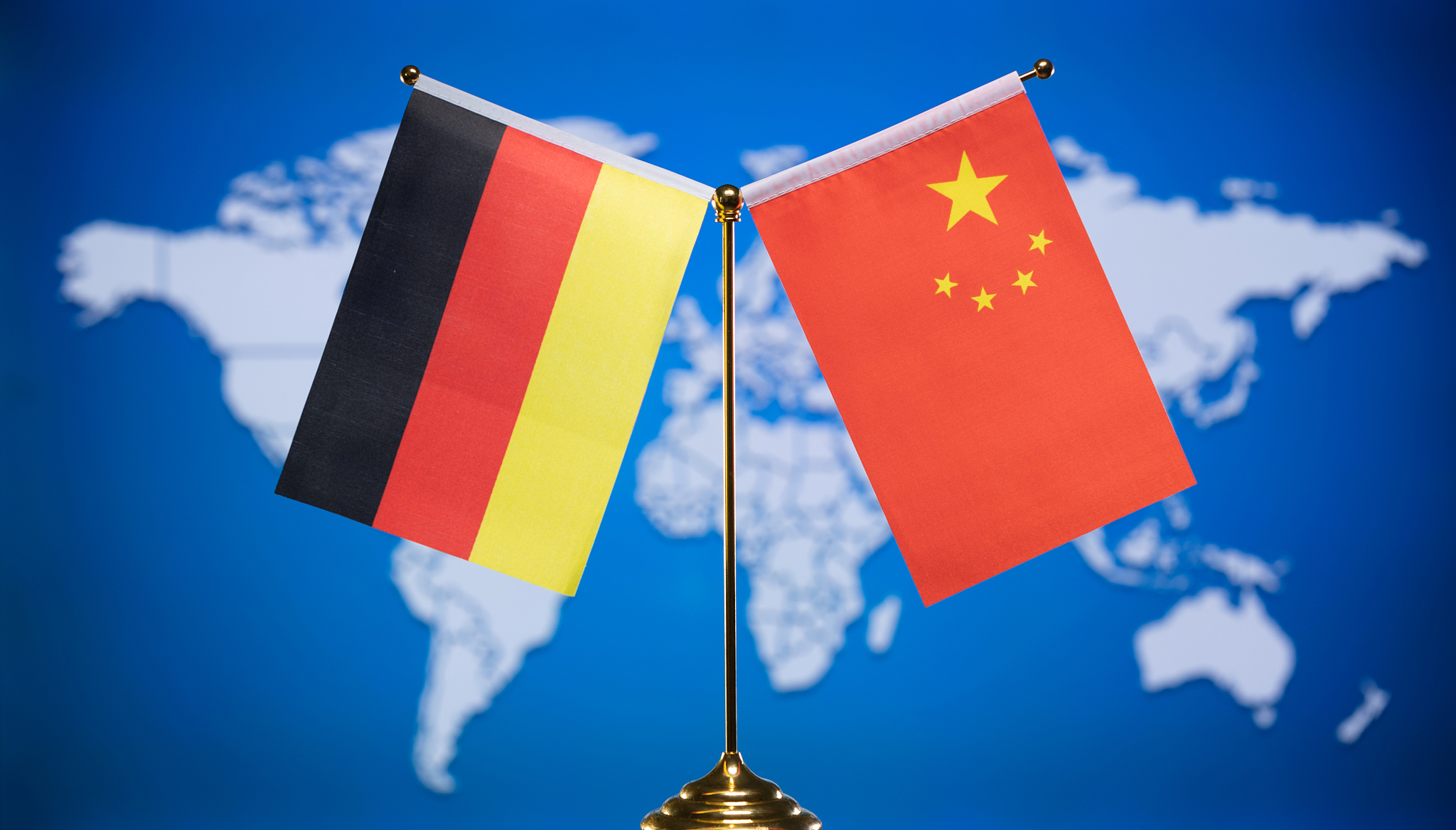
China has overtaken the United States as Germany’s largest trading partner in the first eight months of 2025, according to preliminary data from Germany’s Federal Statistics Office. The shift comes as higher U.S. tariffs weighed heavily on German exports to the United States, reversing last year’s trade pattern.
Between January and August, Germany’s imports and exports with China totaled €163.4 billion ($190.7 billion), slightly ahead of €162.8 billion in trade with the United States, according to Reuters calculations.
In 2024, the U.S. was Germany’s top trading partner, ending an eight-year run for China. Berlin had previously moved to reduce its dependence on China, citing political tensions and accusations of unfair trade practices. However, trade flows shifted again this year amid Donald Trump’s return to the White House and renewed U.S. tariff policies.
U.S. Tariffs Hit German Export Sector
The latest data shows that U.S. tariffs are taking a visible toll on German exports. Shipments to the United States fell 7.4% year-on-year in the first eight months of 2025 to €99.6 billion, while August exports alone plunged 23.5% compared to last year.
Dirk Jandura, president of the BGA foreign trade association, said, “There is no question that U.S. tariff and trade policy is a key reason for the decline in sales.” He added that U.S. demand for German cars, machinery, and chemicals has weakened significantly.
Economist Carsten Brzeski, global head of macro at ING, noted that with ongoing tariff risks and a stronger euro, a rebound in German exports to the U.S. “is unlikely in the near term.”
Imports From China Surge Despite Domestic Concerns
While exports to China fell 13.5% to €54.7 billion, imports from China surged 8.3% to €108.8 billion in the same period. Analysts warn that these rising imports, often at dumping prices, could increase Germany’s economic dependence on China.
Brzeski described the surge as “worrying,” emphasizing that it adds pressure on German industries where China has become a dominant global competitor. Berenberg Bank economist Salomon Fiedler added that Germany’s weak domestic growth leaves it vulnerable to global trade shifts and external shocks.