Asian Currencies Remain Range-Bound as U.S.–China Tensions Escalate; Dollar Holds Steady Before Powell’s Speech
Most Asian currencies traded within a narrow range on Tuesday as traders digested renewed trade tensions between the United States and China, while the dollar remained steady ahead of a key speech by Federal Reserve Chair Jerome Powell.
Asian currencies were still reeling from steep losses in the previous session. The dollar stayed strong after U.S. President Donald Trump threatened to impose 100% tariffs on Chinese goods, prompting a sharp response from Beijing.
Although Chinese and U.S. officials attempted to ease tensions, markets remained cautious amid growing fears of another round of trade hostilities between the world’s two largest economies.
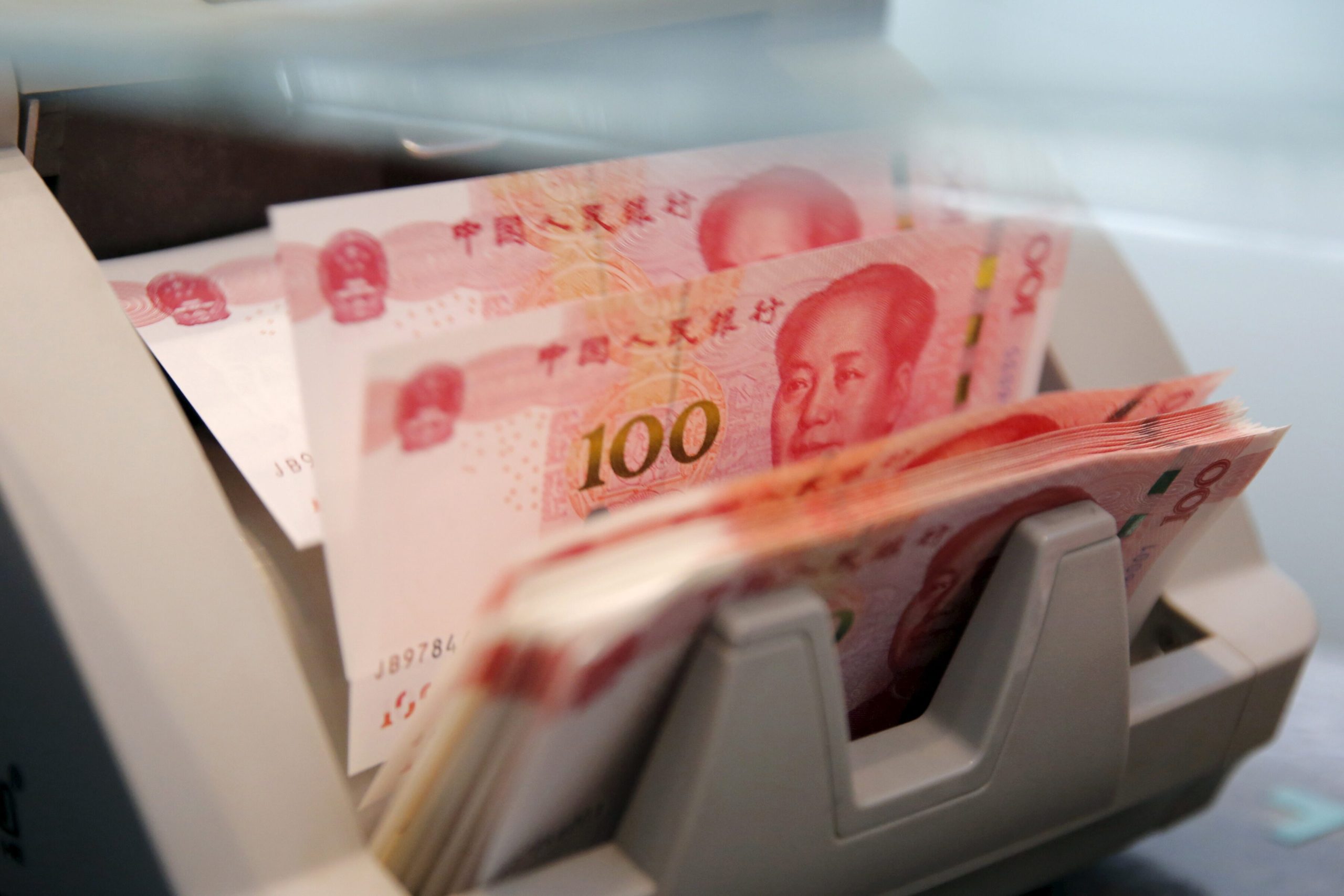
The Chinese yuan weakened further, with the USD/CNY pair inching up 0.1%. China’s Ministry of Commerce stated it would “fight to the end” if a trade war were to escalate.
Recent trade data showed that China’s exports have so far faced limited damage from the higher U.S. tariffs, currently around 50%. The country has also been redirecting some U.S.-bound exports toward other Asian and European destinations to soften the impact.
Yen, Won, and Rupee Stay Subdued
Among other regional currencies, the Japanese yen saw mild losses, with the USD/JPY pair inching lower as expectations rose for more fiscal stimulus under incoming Prime Minister Sanae Takaichi.
However, Takaichi—recently elected as leader of Japan’s ruling Liberal Democratic Party—faced an early setback as a key coalition partner withdrew its support, casting uncertainty over her potential leadership.
The South Korean won remained stable, with the USD/KRW pair showing little movement, while the Australian dollar fell 0.3% against the U.S. dollar.
The Indian rupee held above 88 per dollar, as softer-than-expected consumer inflation data for September fueled expectations of further interest rate cuts by the Reserve Bank of India.
Dollar Dips Slightly as Markets Await Powell
The U.S. dollar index and futures slipped about 0.1% in Asian trading after recent gains. Ongoing concerns about the U.S. economy and fears of an intensifying trade war spurred some safe-haven demand for the greenback.
A continuing U.S. government shutdown left investors uncertain about the economic outlook, with attention turning toward upcoming remarks from Fed Chair Jerome Powell and other central bankers for fresh direction.
Markets are struggling with a lack of official data on inflation and employment, delayed indefinitely due to the shutdown. The political stalemate in Congress also showed little sign of resolution.
Powell’s upcoming speech at the National Association for Business Economics meeting will be closely watched. His remarks come just weeks ahead of the Federal Reserve’s late-October meeting, where another 25 basis point rate cut is widely expected.
Singapore Dollar Holds Firm After Strong GDP Data
The Singapore dollar traded steady on Tuesday after new GDP figures showed stronger-than-expected economic growth in the third quarter.
The Monetary Authority of Singapore kept its policy settings unchanged, citing solid performance and a smaller-than-expected impact from U.S. tariffs. However, growth momentum was seen cooling slightly from the previous quarter.