China’s Exports Beat Expectations, But New U.S. Trade Clash Clouds Outlook
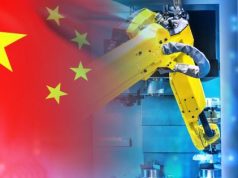
China’s export growth rebounded strongly in September, but renewed trade tensions with the United States have reignited concerns about jobs and deflation risks in the world’s second-largest economy. China remains heavily dependent on global demand for its manufactured goods, and a fresh wave of tariffs could threaten that stability.
Diversifying Away from U.S. Dependence
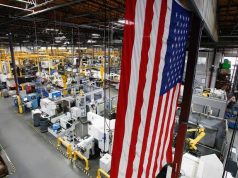
Beijing has been diversifying its export markets this year to offset the impact of President Donald Trump’s 35% tariff increases. This move has helped China stay on track toward its 5% annual GDP growth target. However, the strategy faces a serious test if Trump follows through on his threat to impose triple-digit tariffs in response to Beijing’s recent restrictions on rare earth exports.
“China’s economy has been more resilient to U.S. tariffs than expected, but a deeper rift could still cause major downside risks,” said Julian Evans-Pritchard of Capital Economics.
Exports Surpass Forecasts
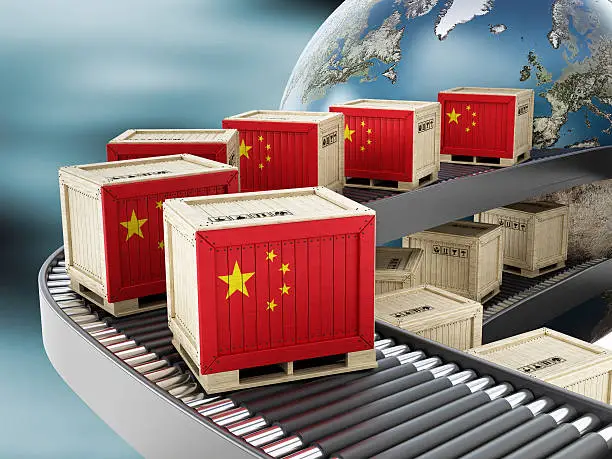
According to customs data released Monday, China’s exports rose 8.3% year-on-year in September, beating expectations for a 6% increase and marking the strongest growth since March. In comparison, exports rose 4.4% in August.
While the improvement is positive, Trump’s warning of new tariffs above 100% could trigger a deflationary shock and threaten jobs across smaller Chinese factories.
Rare Earth Restrictions Add Pressure
China’s near-monopoly on rare earth minerals and magnets gives it leverage in trade disputes. However, tightening these exports could backfire by disrupting global supply chains in critical industries such as automotive, green energy, and aerospace.
Most analysts expect both sides to seek de-escalation before the upcoming APEC summit in South Korea, where Trump and Chinese President Xi Jinping may still meet. Still, uncertainty is rising fast.
“We think both sides will test each other’s limits before making concessions,” said Nomura analysts. “This pattern of tension, escalation, and truce is becoming the new normal in U.S.-China relations.”
Asian Markets React
Despite the positive export data, Asian markets turned volatile as the U.S.-China trade conflict escalated again. Chinese stocks tumbled sharply, with investor sentiment shaken by the renewed confrontation.
Exports Shift Toward Other Regions
Shipments to the United States fell 27% year-on-year, while exports to the European Union rose 14%, to Southeast Asia climbed 15.6%, and to Africa surged 56.4%, according to customs data.
“Chinese companies are expanding into new regions, taking advantage of lower production costs,” said Xu Tianchen, senior economist at the Economist Intelligence Unit. He added that the U.S. now accounts for less than 10% of China’s direct exports.
Still, the rush to capture new markets has squeezed profit margins. Many exporters describe it as a “mad rat race,” forcing them to cut wages and reduce staff to stay competitive.
Weak Domestic Demand Persists
Inside China, domestic consumption remains sluggish. Factory owners are slashing prices to attract international buyers, putting pressure on profits and prompting calls for more government stimulus.
Imports rose 7.4% in September — the fastest pace since April 2024 — driven largely by stockpiling of raw materials. Steel, coal, and soybean imports all increased, with soybeans reaching their second-highest level on record, mostly sourced from South America.
Trump has said he hopes to discuss soybean trade with Xi during the expected meeting in South Korea.
Trade Surplus Narrows
China’s trade surplus narrowed to $90.45 billion in September from $102.33 billion the previous month, missing forecasts of $98.96 billion. Vice Customs Minister Wang Jun noted that Beijing remains open to resuming trade talks with Washington.
Analysts warn that the trade outlook depends largely on how both sides manage the next phase of negotiations.
“Neither side wants to return to damaging tit-for-tat retaliation,” said Lynn Song, Chief Greater China Economist at ING. “But the risk of miscalculation remains high.”