Dollar falls to one-week low as U.S. shutdown begins
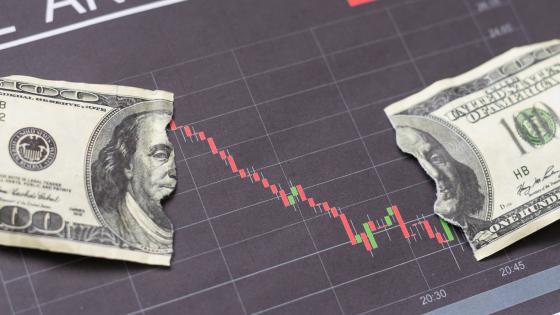
The U.S. dollar slipped to a one-week low on Wednesday after the government entered a partial shutdown. The closure is expected to delay the release of crucial jobs data.
Funding expired at midnight in Washington (0400 GMT) after Democrats and Republicans failed to reach a last-minute deal. Senate Republican Leader John Thune said the chamber will vote again on Wednesday, with the session scheduled for 1400 GMT.
The dollar index, which measures the greenback against six major currencies, fell 0.2% to 97.635 by 05:21 GMT. It briefly touched 97.584, its weakest level since last week.
President Donald Trump defended the shutdown, warning Democrats that it would give his administration room to take “irreversible” actions, including closing programs they support.
Jobs data under threat
The U.S. Labor and Commerce departments confirmed their statistics agencies will suspend releases during the shutdown. That includes the nonfarm payrolls report due Friday, a key figure for markets as they assess the likelihood of a Federal Reserve rate cut on October 29.
A mixed JOLTS report overnight added pressure on the dollar. Job openings rose slightly in August while hiring declined, pointing to a softer labor market. With official data delayed, traders will look closely at private indicators such as the ADP employment report later on Wednesday.
Markets currently price in a 95% chance of a quarter-point rate cut at the Fed’s next meeting, according to LSEG data. Analysts warn that an extended shutdown could accelerate the dollar’s decline.
Euro and yen strengthen
The euro rose 0.3% to $1.1767, its highest since September 24. The dollar also fell 0.3% against the yen, touching 147.46 for the first time since September 19.
Japanese traders largely ignored the Bank of Japan’s (BOJ) quarterly “tankan” survey. The report showed stronger confidence among major manufacturers for a second straight quarter and firm spending plans.
BOJ turns more hawkish
Recent BOJ comments suggest a shift toward tighter policy. Board member Asahi Noguchi, previously dovish, said the case for rate hikes was stronger “than ever.” Deputy Governor Shinichi Uchida and Governor Kazuo Ueda are both scheduled to speak later this week.
Markets now assign a 40% chance of a quarter-point rate increase at the BOJ’s October 30 meeting. Analysts noted the central bank seems less concerned about Trump’s tariffs on Japan, but closely watches their impact on the U.S. economy.