Trump Administration Weighs Plan to Cut U.S. Reliance on Semiconductor Imports
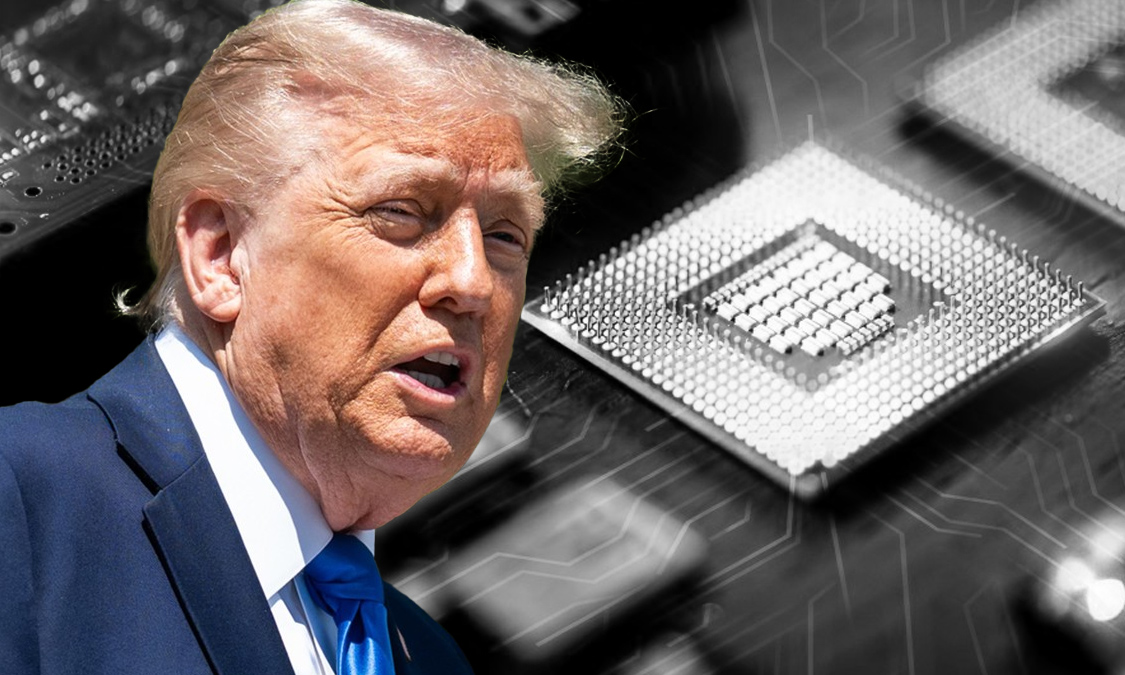
The Donald Trump administration is exploring ways to reduce America’s dependence on imported semiconductors by expanding domestic chip manufacturing, the Wall Street Journal reported on Friday.
Proposed 1:1 Production Policy
According to the report, the White House is considering a rule that would require chipmakers to produce in the U.S. the same number of chips they import. Companies that fail to meet this 1:1 production ratio could face new tariffs.
This proposal aligns with Trump’s broader push to boost U.S. manufacturing. Just last month, the administration imposed a 100% tariff on all chip imports, while granting exemptions to companies with domestic production.
Commerce Secretary Engages With Industry
Commerce Secretary Howard Lutnick has reportedly discussed the plan with chip industry executives. However, questions remain about its feasibility, given the high costs and complex logistics of producing chips locally.
Foreign-made chips are typically cheaper to produce due to lower labor and input costs. In contrast, U.S. chip plants require heavy upfront investments and significant time to scale production.
TSMC and Intel Investments in Focus
Chipmaking giant TSMC (NYSE: TSM) has pledged nearly $200 billion to expand its U.S. operations, with its Arizona plant set to begin production in late 2024. Still, the facility will account for only a small share of the company’s total global output.
Earlier this year, Trump’s administration also took a 10% stake in Intel Corporation (NASDAQ: INTC) to support struggling American chipmakers and secure local supply chains.