Trump Imposes New Tariffs on Drugs, Trucks, and Furniture
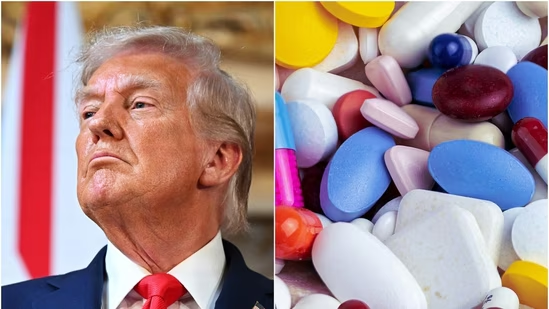
President Donald Trump announced a new wave of tariffs on Thursday, targeting imported goods worth billions. The measures include 100% duties on branded drugs and 25% levies on heavy-duty trucks, set to begin next week.
Protecting U.S. Industry
Trump said the new tariffs are designed to protect U.S. manufacturing and national security. They follow earlier duties of up to 50% on steel and other products. According to the Federal Reserve, these tariffs have added pressure to consumer prices in America, while also slowing global growth.
Furniture Tariffs to “Bring Back Jobs”
Trump confirmed his pledge to support American furniture makers. The U.S. will now impose a 50% tariff on imported cabinets and vanities and a 30% tariff on upholstered furniture starting October 1. He argued this would stop foreign “flooding” of cheap products and revive industries in North Carolina, South Carolina, and Michigan.
Global Reactions
Countries reacted sharply.
- Japan said it is still assessing the impact.
- Australia called the measures “unfair and unjustified.”
- The EU and UK, however, have trade deals that cap tariffs on some goods, including pharmaceuticals.
Meanwhile, Asian pharmaceutical stocks dropped following the announcement. Australia’s CSL hit a six-year low, while Japan’s Sumitomo Pharma fell more than 3%. Chinese furniture makers also saw declines.
Pharmaceutical Impact
The 100% tariff on branded drugs will apply to all imports unless companies are building plants in the U.S. The industry warned that tariffs could disrupt billions of dollars in planned investments. More than half of America’s medicine ingredients already come from domestic production.
Trucks and Transportation Costs
The new 25% tariff on heavy-duty trucks aims to protect U.S. manufacturers like Peterbilt, Kenworth, and Freightliner. However, critics warn it could raise transportation costs and increase inflationary pressures.
Mexico, the largest exporter of trucks to the U.S., opposed the move, stressing that its exports contain an average of 50% U.S. parts. In 2024, the U.S. imported nearly $128 billion in heavy vehicle parts from Mexico, accounting for over one-quarter of its total imports.
A Foreign Policy Tool
Trump has turned tariffs into a key foreign policy weapon. He uses them to renegotiate deals, extract concessions, and apply political pressure. Treasury Secretary Scott Bessent said tariffs could generate $300 billion in revenue by the end of the year.
The administration is also investigating imports of wind turbines, airplanes, semiconductors, copper, and critical minerals, signaling more tariffs could be on the way.